Teaching Students the Importance of Ecosystem Restoration
29 January 2026
In today’s rapidly changing world, teaching students about ecosystem restoration is more important than ever. Our planet is facing unprecedented challenges such as climate change, deforestation, and biodiversity loss. These issues seem overwhelming at times, but the younger generation has a huge role to play in reversing some of the damage. By educating students about ecosystem restoration, we can empower them to become stewards of the environment and champions of a healthier planet. But how exactly do we go about this? What strategies work best to get students to not only understand but also care about ecosystem restoration?
In this article, we’ll explore the significance of ecosystem restoration, why it’s crucial to teach it in schools, and how educators can make it engaging and meaningful for students. So buckle up, and let’s dive in!
What Is Ecosystem Restoration?
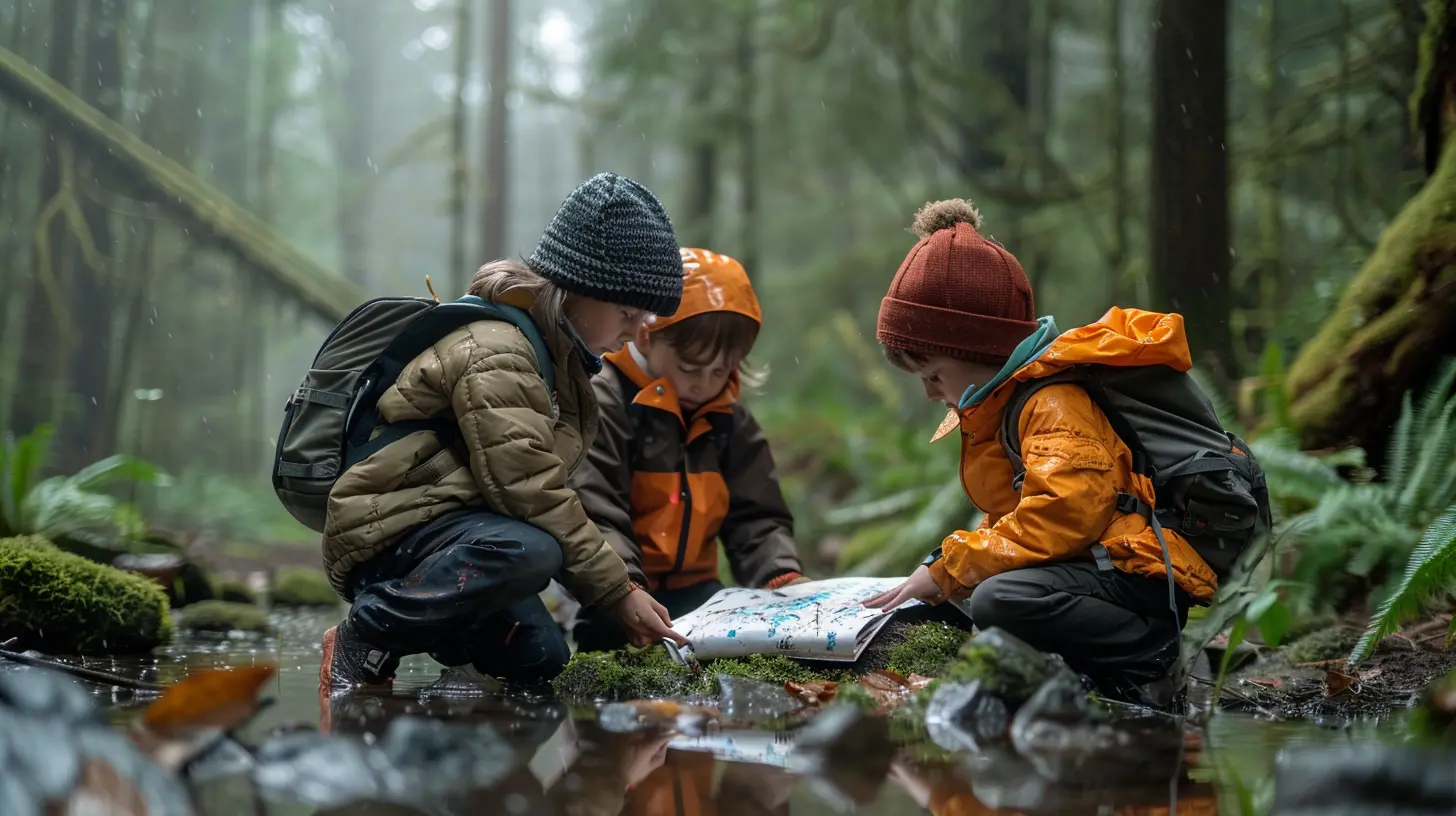
Before we get into the “why” and “how,” let’s clarify what ecosystem restoration actually means. At its core, ecosystem restoration refers to the process of assisting the recovery of ecosystems that have been degraded, damaged, or destroyed. This could involve anything from planting native trees in deforested areas to cleaning up polluted rivers and lakes.Nature has an incredible ability to heal itself, but sometimes, it needs a little help from humans. Ecosystem restoration is all about giving nature that helping hand. Whether it's reintroducing native species, restoring wetlands, or preventing soil erosion, every little action counts.
Why Do Ecosystems Need Restoration?
Our ecosystems are like intricate webs, where every part is connected. When one part gets damaged, it has a ripple effect on the entire web. Over the years, human activities such as deforestation, industrial pollution, and unsustainable farming practices have caused significant harm to ecosystems worldwide. The loss of forests, wetlands, coral reefs, and other vital ecosystems has had devastating effects on biodiversity, climate regulation, and even our own health.In short, ecosystems aren’t just homes for animals and plants—they also provide essential services like clean water, air purification, carbon storage, and soil fertility. When these ecosystems are degraded, we lose these benefits, and the consequences can be severe.
The Importance of Ecosystem Restoration
So, why is it so critical to teach students about ecosystem restoration? For starters, the future of our planet lies in their hands. Today’s students are tomorrow’s leaders, decision-makers, and environmental advocates. By instilling a strong understanding of ecosystem restoration, we’re equipping them with the tools they’ll need to tackle some of the world’s most pressing environmental challenges.Building Environmental Awareness
One of the most significant benefits of teaching students about ecosystem restoration is fostering environmental awareness. When students understand how ecosystems work and why they matter, they are more likely to make environmentally conscious decisions in their daily lives. They start to see the connection between their actions—like reducing waste, conserving water, or protecting wildlife—and the bigger picture of global ecosystem health.Encouraging Sustainable Thinking
Ecosystem restoration isn’t just about fixing what’s broken; it’s also about preventing future damage. By teaching students the importance of ecosystems, we’re encouraging them to think sustainably. This means they’ll begin to consider how their choices—whether it’s what they eat, how they travel, or even how they vote—impact the environment.Empowering Students to Take Action
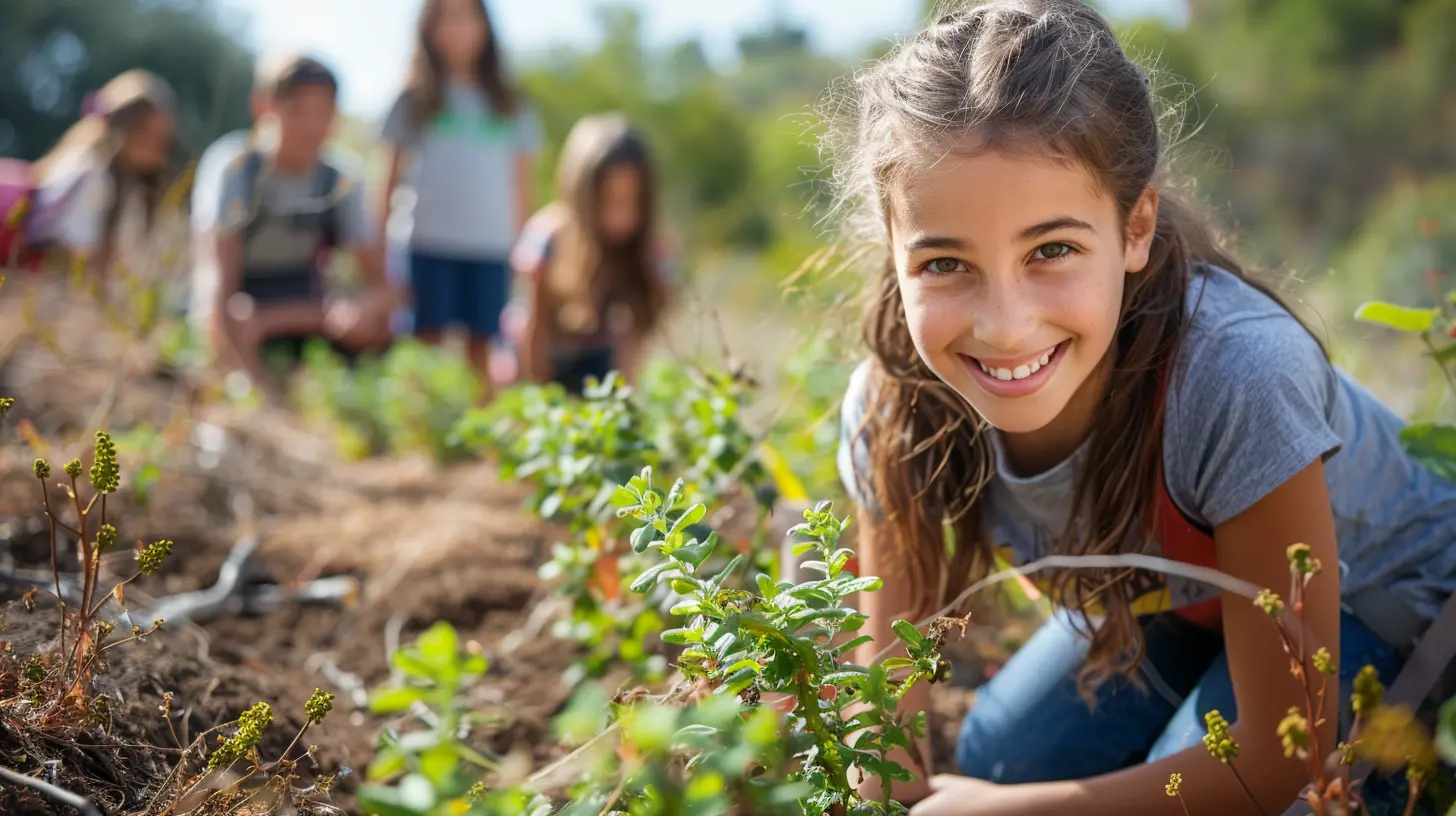
The beauty of ecosystem restoration is that anyone can get involved. You don’t need to be a scientist or have a degree in environmental studies to make a difference. By teaching students about the importance of ecosystem restoration, we’re empowering them to take action in their own communities. Whether it’s organizing a local tree-planting event, cleaning up a nearby beach, or creating a school garden, students can actively participate in restoring ecosystems, even on a small scale.
How to Teach Ecosystem Restoration to Students
Now that we understand why teaching ecosystem restoration is so important, let’s talk about how to make it engaging and impactful for students. Here are some practical strategies educators can use to bring the concept of ecosystem restoration to life in the classroom.1. Hands-On Learning
Let’s be honest—most students don’t learn well from textbooks alone. They need to see, touch, and experience things for themselves. That’s why hands-on learning is such a powerful tool when it comes to teaching ecosystem restoration. One way to do this is by organizing outdoor field trips where students can observe local ecosystems firsthand. They could visit a nearby forest, wetland, or river to see how different species interact and why these ecosystems are so important.Better yet, involve them in restoration projects! Whether it’s planting trees, removing invasive species, or cleaning up a local stream, these hands-on activities give students a deeper understanding of the challenges ecosystems face and the efforts needed to restore them.
2. Project-Based Learning
Another effective method is project-based learning. This approach encourages students to take charge of their own learning by working on real-world projects. For example, students could research a local ecosystem that’s at risk, develop a restoration plan, and present their findings to the class or even the community. By working on a project from start to finish, students not only learn the science behind ecosystem restoration but also develop critical thinking, collaboration, and problem-solving skills.3. Use Technology to Your Advantage
In today’s digital age, there are countless tools available to help students learn about ecosystem restoration. From interactive apps to virtual reality experiences, technology can make learning about ecosystems both fun and interactive. For instance, students could use a mapping app to identify areas in their community that need restoration or explore virtual ecosystems to better understand how different species interact.Moreover, social media can be a powerful platform for students to spread awareness about ecosystem restoration. Encourage them to create social media campaigns, write blog posts, or produce videos to educate others about the importance of restoring ecosystems. Not only does this help reinforce what they’ve learned, but it also allows them to become advocates for change in their communities.
4. Bring in Experts
Sometimes, hearing from someone who’s actively working in the field can make all the difference. Consider inviting guest speakers such as ecologists, park rangers, or conservationists to talk to your students about their work in ecosystem restoration. These experts can share firsthand experiences, answer questions, and inspire students to consider careers in environmental science or conservation.5. Connect Ecosystem Restoration to Global Issues
It’s essential to help students understand that ecosystem restoration isn’t just a local issue—it’s a global one. By connecting restoration efforts to larger environmental challenges like climate change, deforestation, and endangered species, students can see how their actions fit into the bigger picture. For example, explain how restoring forests can help combat climate change by sequestering carbon or how protecting coral reefs supports marine biodiversity worldwide.6. Make It Personal
One of the most effective ways to get students passionate about ecosystem restoration is to make it personal. Help them understand how healthy ecosystems benefit their own lives. For example, explain how wetlands filter drinking water, how forests clean the air, or how pollinators like bees support the food they eat. When students see the direct impact ecosystems have on their own well-being, they’re more likely to care and take action.
Why Student Involvement Matters
At the end of the day, teaching students about ecosystem restoration is about more than just imparting knowledge. It’s about empowering the next generation to become leaders in the fight for a healthier planet. Students who understand the importance of ecosystems are more likely to advocate for policies that protect the environment, participate in conservation efforts, and inspire others to do the same.Involving students in ecosystem restoration projects not only gives them a sense of purpose but also helps them develop a deeper connection to nature. This connection can foster a lifelong commitment to environmental stewardship, ensuring that future generations will continue the work of restoring and protecting our planet’s ecosystems.
The Ripple Effect of Education
It’s important to remember that education has a ripple effect. When students learn about ecosystem restoration, they’re not just learning for themselves—they’re also sharing that knowledge with their families, friends, and communities. One student who’s passionate about restoring ecosystems can inspire an entire classroom, which can then inspire an entire community to take action.The more students we educate about the importance of ecosystems, the more advocates we have for the environment. And the more advocates we have, the closer we get to creating a world where ecosystem restoration is a priority for everyone.
Conclusion
Teaching students the importance of ecosystem restoration is crucial for the future of our planet. By helping them understand how ecosystems work, why they matter, and how they can be restored, we’re empowering the next generation to take meaningful action. Whether it’s through hands-on learning, technology, or personal connections, there are countless ways to make ecosystem restoration engaging for students.So, let’s start today. Let’s give our students the tools, knowledge, and inspiration they need to become champions of ecosystem restoration.
all images in this post were generated using AI tools
Category:
Environmental EducationAuthor:

Bethany Hudson
Discussion
rate this article
2 comments
Sera Luna
This article beautifully highlights the vital role of ecosystem restoration in education. Inspiring students to engage with nature fosters responsibility and awareness. Together, we can cultivate a generation dedicated to healing our planet!
February 17, 2026 at 12:20 PM
Bethany Hudson
Thank you for your insightful comment! I’m glad you found the article inspiring and appreciate your support for fostering environmental responsibility in education. Together, we can make a difference!
Easton Baker
This article effectively highlights the critical role of ecosystem restoration in education. By engaging students with hands-on experiences, we foster a deeper understanding of ecological balance and inspire future stewardship of our planet's natural resources.
January 30, 2026 at 3:56 AM
Bethany Hudson
Thank you for your insightful comment! I completely agree that hands-on experiences are vital in fostering ecological understanding and inspiring future stewards of our planet.