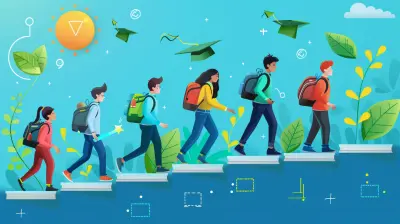
The Art of Teaching Conservation: Lessons for All Ages
26 August 2026
Let’s be real for a second—conservation isn’t just about hugging trees or sorting recyclables into the right bin. It’s a mindset. A way of living. And teaching it? That’s an art form all its own.
Whether you’re wrangling toddlers, mentoring teens, or giving your eco-clueless uncle a crash course in saving the planet, conservation isn’t a one-size-fits-all lecture. It’s engaging, organic, and dare I say—fun?
So buckle up. We're diving deep into the wild, weird, and wonderfully impactful world of teaching conservation to all age groups. And who knows? You might just become the Bob Ross of environmental education.
Why Teaching Conservation Matters More Than Ever
Unless you’ve been living under a fossil-fuel-powered rock, you know our planet’s in a bit of a pickle. Between rising temperatures, disappearing rainforests, and oceans full of plastic confetti, the Earth is sending us some serious distress signals.But here's the good news: teaching conservation helps plant seeds of change—literally and figuratively. And those seeds? They grow into eco-savvy humans who think twice before tossing that soda can in the trash or leaving the faucet running for five extra minutes.
Teaching sustainability isn’t just some crunchy granola, save-the-penguins campaign. It’s essential—for our kids, our ecosystems, and our future hot girl summers that aren’t interrupted by climate chaos.
Conservation Begins at Crib Level: Teaching Young Kids
Ah, kids. Adorable, impressionable, and obsessed with stomping in puddles. If you think toddlers can't grasp the concept of conservation, think again.They may not understand carbon footprints, but they get kindness. And what’s conservation if not just kindness to the planet?
1. Make Nature Personal
Take kids outside. Let them play in the mud. Let them watch ants carry crumbs three times their size. Getting their hands dirty (literally) is the first step toward respecting nature.2. Storytime Goes Green
Swap out the usual bedtime tales with books that focus on animals, trees, and the beauty of Earth. Trust me, “The Lorax” hits different when you're five and just learned what a truffula tree is.3. Turn Trash into Treasure
Got a pile of cardboard tubes? Old buttons? Glitter (biodegradable, please)? Boom—instant eco-crafts. Upcycling teaches kids that resources aren’t infinite. Plus, who doesn’t want a robot made out of cereal boxes?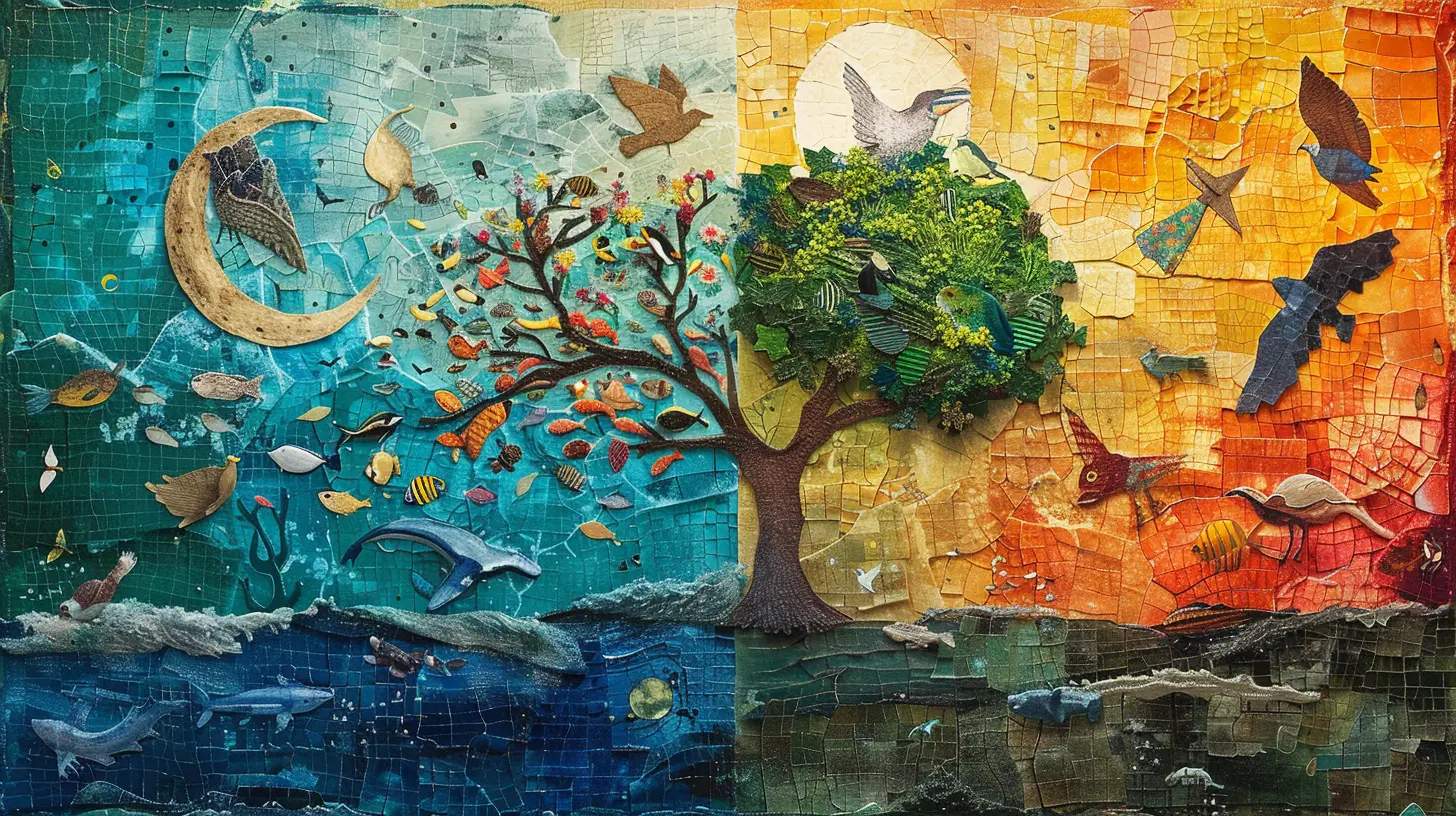
The Tweens & Teens: Rebellious But Ready
Ah, adolescence—the age of eye rolls, sarcasm, and weird TikTok trends. But don’t let the moody exterior fool you. Teens are passionate. They care. And once you tap into that passion? You’ve got a conservation warrior on your hands.1. Make It Real
Teenagers aren’t fooled by sugarcoated nonsense. Show them real stats, real stories, and real consequences. Let them see what’s happening to coral reefs or hear about communities with no clean water.2. Let Them Lead
Give them ownership. Whether it's a school recycling program, a sustainability club, or a climate change podcast, teens thrive when they feel heard. They aren’t just the future—they’re the now.3. Connect It to Their World
Conservation isn’t separate from tech, fashion, or music—it’s woven into all of it. Talk about fast fashion’s impact or how gaming consoles use energy. Suddenly, being green isn’t just cool—it’s relevant.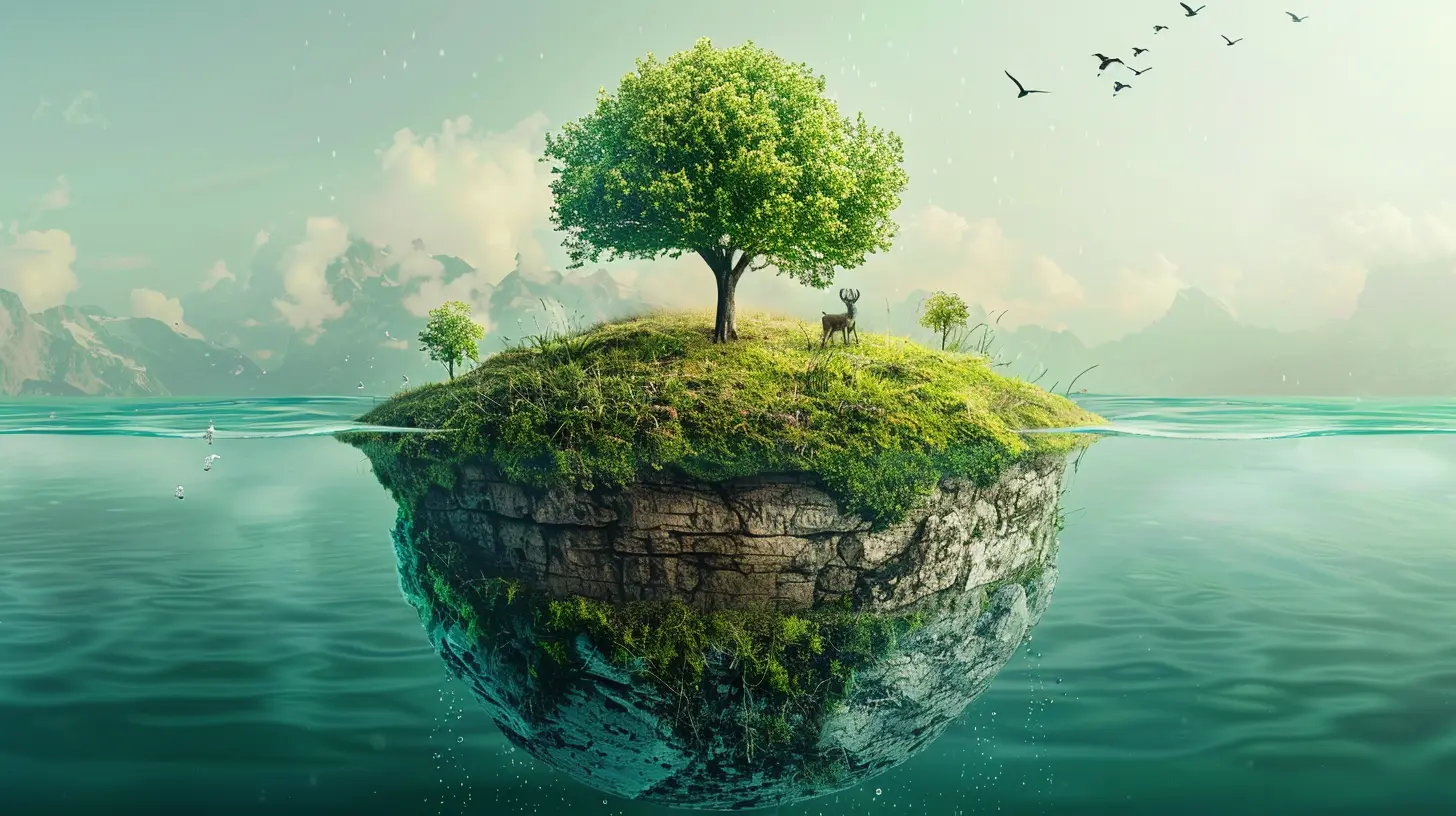
College Kids & Young Adults: Channeling Passion into Purpose
College students are kind of like environmental caffeine. They’re buzzing with ideas, fueled by midnight ramen, and ready to protest at a moment’s notice.But they also face global burnout and climate anxiety. That’s where focused, actionable conservation education comes in.
1. Get Interdisciplinary with It
Conservation isn't just for scientists. It’s for business majors, artists, engineers, and future politicians. Show them how whatever they're studying connects to the planet.A fashion major can design sustainable clothing. A programmer can develop carbon-tracking apps. A business student? Hello, green entrepreneurship.
2. Service-Learning = Winning
Give them real-world, hands-on experience. Partner with local parks. Organize beach cleanups. Turn class projects into community action. Bonus points if there are snacks involved.3. Guilt is Out. Empowerment is In.
No one wants a lecture about how their oat milk isn’t eco enough. Focus on what they can do, not what they’ve done wrong. People don’t change through shame—they change when they feel capable.Adults & The Conservation Late Bloomers
So what about grown-ups? The folks who've been tossing plastic straws into the abyss since the '80s? Don’t count them out just because they weren’t raised on Captain Planet.1. Bring the Facts, Hold the Judgment
Adults have lived through a lot—Y2K, dial-up internet, and several questionable fashion trends. They just need the right motivation and clear, practical tips.Show them how saving energy also saves money. Talk about how planting a garden is both eco-friendly and Instagrammable. Appeal to what matters in their world.
2. Normalize the Learning Curve
If someone doesn’t know what composting is, don’t roll your eyes. Educate gently. Remember, we all started somewhere—even if that “somewhere” for them is realizing “biodegradable” isn’t just a fancy marketing buzzword.3. Go Community-Wide
The best way for adults to learn conservation? By joining forces. Neighborhood swap meets, sustainability workshops, and local cleanups are all practical and social ways to help folks dip a toe into greener living.Conservation Isn’t a Chapter. It’s a Continued Conversation.
Here’s the kicker: you don’t teach conservation once and call it a day. It’s not like memorizing the periodic table or learning how to parallel park.It’s a lifelong journey—a conversation that evolves as our world changes.
Whether you teach in a classroom, work in a corporate office, or stay home with your kids and your sourdough starter, you have an opportunity to sprinkle a little green magic into your circle.
It’s not about being perfect. It’s about being better. A little more thoughtful. A little more curious. A little more willing to say, “Hey, maybe we don’t need a paper towel every time we sneeze.”
How to Be a Brilliant Conservation Educator (Even If You're Not a 'Teacher')
You don’t need a chalkboard or a degree to teach conservation. Here are a few low-key yet high-impact ways to make a difference:✅ Lead by Example
Model sustainable habits. Reuse. Repair. Recycle. Your behavior teaches louder than words ever could.✅ Share Stories
Whether it's through social media, dinner table convos, or backyard barbecues—talk about your eco choices. Share your wins and your "oops" moments too. It makes going green feel human, not preachy.✅ Make It Fun
Education doesn’t have to be serious all the time. Gamify it. Set up friendly sustainability challenges like “Who Can Go Plastic-Free for a Week?” or “Meatless Mondays Showdown.”✅ Keep It Local
Teach people to care about their forest, their water, their air. Global conservation starts with local awareness.The Ripple Effect Is Real
You don’t have to change the whole world all at once. Start small. Compost your coffee grounds. Switch out your plastic toothbrush. Teach your niece how to sort recyclables.Every action sends ripples. And those ripples become waves.
By teaching conservation, you’re teaching compassion, responsibility, and connection. And guess what? That’s the kind of education that never goes out of style.
So whether you’re guiding tiny humans or convincing your office not to print every email, remember: conservation is a dance. Sometimes messy, sometimes beautiful—but always worth learning.
Final Thoughts: Conservation Is for Everyone, Everywhere
The art of teaching conservation isn’t about being an expert. It’s about being curious, being open, and passing the torch (preferably a solar-powered one) to the next person.We live on a blue marble flying through space, surrounded by stars, dolphins, rainforests, and Wi-Fi. Isn’t that worth protecting?
Whatever your age, background, or experience—if you care enough to ask how you can help, you’re already halfway there.
Now go out and plant those seeds. The planet’s got your back.
all images in this post were generated using AI tools
Category:
Environmental EducationAuthor:

Bethany Hudson
Discussion
rate this article
2 comments
Opal McKenzie
This article effectively highlights the importance of engaging teaching methods in conservation education. However, it would benefit from practical examples of successful programs across different age groups. Real-world applications can inspire educators and demonstrate the impact of conservation on communities.
September 2, 2026 at 11:35 AM
Bethany Hudson
Thank you for your feedback! I agree that practical examples would enhance the article. I'll consider including successful programs in future updates.
Annette Shaffer
What a fantastic read! This article beautifully captures the essence of teaching conservation to all ages. The insights shared are not only inspiring but also practical, encouraging us to foster a deeper respect for our planet in future generations. Thank you for sharing!
August 28, 2026 at 4:20 AM
Bethany Hudson
Thank you for your kind words! I'm glad you found it inspiring and practical. Let's keep fostering that respect for our planet together.