The Impact of a Safe Learning Environment on Student Achievement
6 April 2026
Let’s be real. Every single one of us learns better when we feel secure, understood, and respected. That’s not just a hunch—it’s backed by years of research and real-world experience. When we talk about student success, grades and test scores usually take center stage, but what’s going on behind the scenes? What’s the root of genuine academic growth? Here’s the simple truth:
A safe learning environment changes everything.
It’s the sturdy foundation that allows students to take academic risks, ask questions without fear, and stretch beyond their comfort zones. So today, we’re diving deep into how a physically, emotionally, and mentally safe learning space can supercharge student achievement—and why this isn’t just a “nice-to-have,” but a must.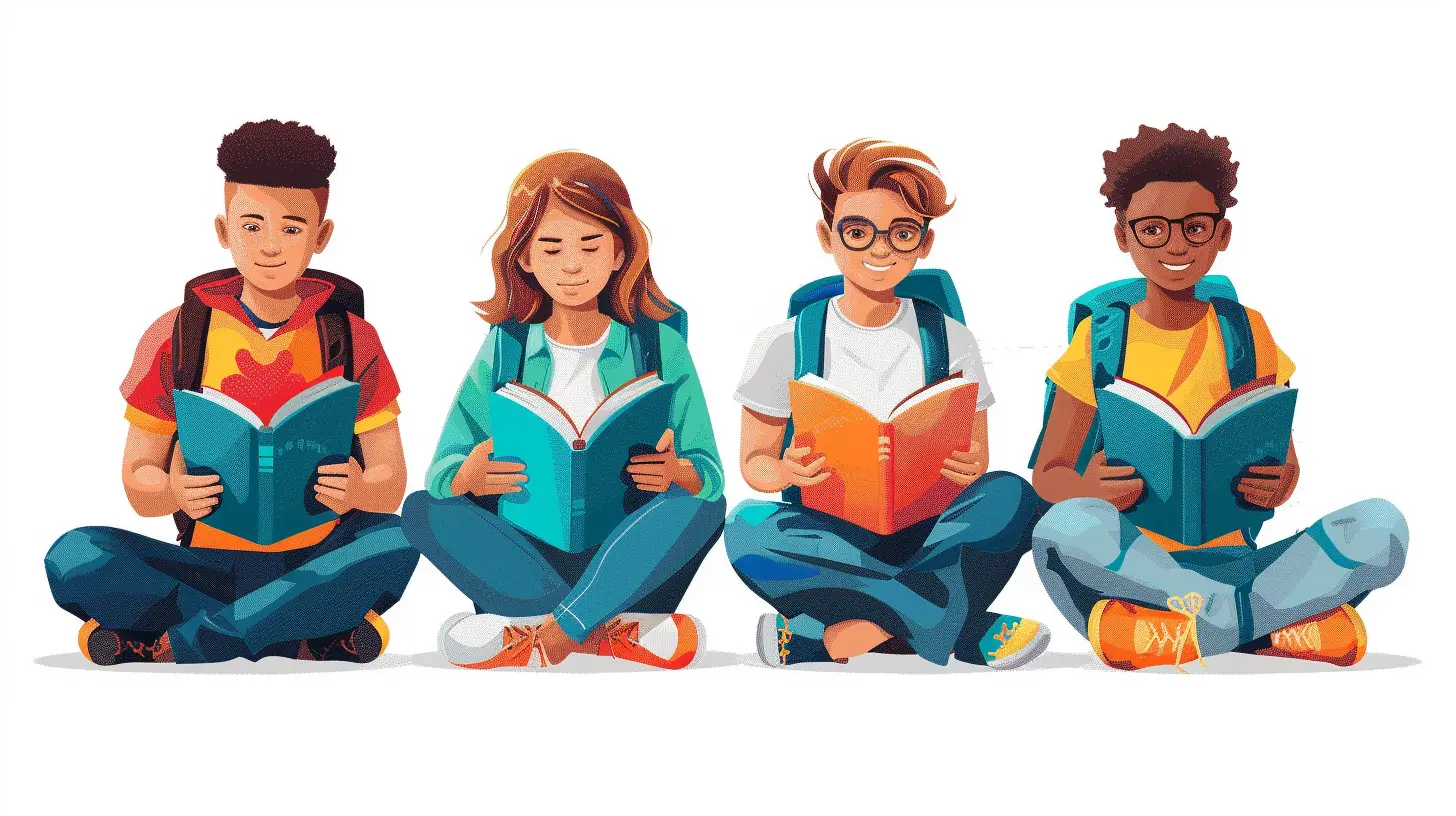
What Do We Mean by a “Safe Learning Environment”?
Before we go any further, let’s define what we’re talking about.A safe learning environment means more than just locked doors and fire drills. It’s a space—physical or virtual—where students feel protected, accepted, and free to be themselves. This includes:
- Physical safety (bully-free, clean, secure facilities)
- Emotional safety (respect, empathy, inclusion)
- Psychological safety (freedom to express ideas and make mistakes)
When all of these factors come together, they create a strong, nurturing home base. And guess what? That kind of environment doesn’t just feel good—it directly boosts academic and personal outcomes.
Why Safety is the Bedrock of Student Learning
Think back to a time when you didn’t feel safe or comfortable—maybe at school, work, or even at home. Was it easy to focus? Probably not.Stress, fear, and discomfort create barriers. They shut down the brain’s ability to concentrate, analyze, and process information. And when your brain is trying to protect you from danger (even perceived danger), learning takes a backseat.
A safe learning environment lowers those defenses. It says, “You’re okay here. You can make mistakes. You belong.” That message alone can unlock a student’s full potential.
The Link Between Safety and Academic Performance
Here’s where things get really interesting. Studies consistently show that students in safe, supportive environments:- Score higher on standardized tests
- Have better attendance records
- Are more engaged in class
- Have stronger relationships with teachers and peers
Why? Because safety fuels confidence, and confidence fuels effort. And effort? That’s the secret sauce for success.
Instead of spending brainpower scanning for social threats or criticism, students can channel their energy into learning, creativity, and problem-solving. It’s like clearing the runway so they can take off.
Emotional Safety: The Secret Weapon in Education
You can have the most talented teachers and the best-designed curriculum, but if students are constantly worried about being judged, ridiculed, or rejected, they won’t thrive.Emotional safety is the heart of a safe learning environment. It’s about students knowing they can raise their hand with a “wrong” answer and not be laughed at. It’s about feeling seen, heard, and valued for who they are.
Simple things like:
- Teachers greeting students with a smile
- Encouraging group collaboration
- Having clear, firm, respectful boundaries
- Providing consistent feedback (without shame)
These small behaviors build trust over time. And once trust enters the classroom, magic happens.
Creating Connection: The Role of Teachers and Staff
Let’s talk about the MVPs—teachers. You’re not just lesson-plan ninjas; you are safety architects.You set the tone. From day one.
The way you handle disruptions, how you respond to questions, your body language during student presentations—it all matters. You might not even notice, but students are constantly reading you like a book.
Teachers who build warm, caring relationships positively influence student motivation and achievement. When kids feel that their teacher genuinely cares? Boom. They're more likely to push themselves, stick with tasks, and reach out when they need help.
Staff can foster safety by:
- Learning students’ names quickly (this matters more than you think)
- Offering choices in assignments to build autonomy
- Being culturally sensitive and inclusive
- Modeling vulnerability and growth mindset (“I made a mistake—and that’s okay”)
Peer Dynamics: Safety in Social Circles
Let’s not forget the power of peer relationships.A classroom isn’t just a teacher-student dynamic. It’s also filled with students navigating the complex and, sometimes, messy business of social interaction.
If bullying, isolation, or discrimination go unchecked, academic achievement suffers big time.
Promoting kindness, respect, and inclusivity among peers is key:
- Start with team projects that mix up friend groups
- Teach empathy early and often
- Host classroom meetings or “check-ins”
- Celebrate differences and diverse backgrounds
Because when students feel accepted by their peers, they’re more willing to engage with lessons, share their ideas, and take risks. It’s like planting seeds in fertile soil—they’re going to grow.
Physical Space Matters Too
Let’s switch gears for a second. The look and feel of the physical environment also influence how safe students feel.Imagine walking into a classroom that’s bright, organized, decorated with student work, and has cozy nooks for reading. Now picture one that’s cold, cluttered, and sterile. Big difference, right?
A student-friendly physical environment:
- Reduces anxiety
- Increases focus
- Encourages movement and engagement
You don’t need chandeliers and velvet chairs—just intentional design. A calm, clean, inclusive space sends a clear message: “This is a place that cares about you.”
Digital Safety for the Online Learner
With the boom in online learning, digital safety is just as important.Students need to know their privacy is protected, that they won’t be cyberbullied, and that online communication follows respectful norms.
This includes:
- Secure platforms for submissions and discussions
- Boundaries for screen time and live sessions
- Digital citizenship lessons
- Clear guidelines for online behavior
When students feel safe online, just like in a physical classroom, they’re more likely to participate, collaborate, and succeed.
Let’s Talk About Mental Health
Mental health and safe learning environments go hand in hand.If a school doesn’t acknowledge or support students’ mental wellbeing, it’s actually contributing to an unsafe environment. Period.
Safe schools make room for:
- School counselors with open-door policies
- Mindfulness and stress-reduction practices
- Open conversations about emotions and challenges
- Programs that teach emotional regulation and resilience
Students who feel emotionally supported are more likely to stay in school, manage challenges constructively, and maintain high academic performance.
It’s not just about being “soft.” It’s about being strategic.
Empowering Students to Be Safety Champions
Students aren't just passive recipients of safety—they can be leaders.Teaching students how to advocate for themselves, speak up about mistreatment, and support struggling peers builds a culture of safety from the inside out.
Some cool strategies?
- Peer mentoring programs
- Student-led anti-bullying campaigns
- Classroom charters created by students
- Open forums or “listening circles”
When students feel empowered, they become part of the solution. They learn that they’re not just there to absorb information—they’re co-creators of the learning experience.
The Ripple Effect of Safety
Let’s zoom out for a second. Because when students feel safe and achieve more, it doesn’t just end in the classroom.It ripples outward.
They build grit. They believe in themselves. They take those lessons of empathy, confidence, and resilience into the world. They become problem-solvers, contributors, leaders.
And the schools that nurture those qualities? They become beacons in their communities—places where families want to send their kids, where teachers want to teach, and where dreams start to take shape.
Final Thoughts: Let's Build the Future One Safe Space at a Time
Creating a safe learning environment isn’t about bubble-wrapping students or eliminating all discomfort. In fact, some of the best learning comes from manageable challenges and the occasional failure.But it’s about removing unnecessary threats—the kinds that paralyze growth and crush curiosity.
When students feel physically secure, emotionally supported, socially accepted, and mentally well, they show up differently. They dare to ask, attempt, persist, and succeed.
So if we really care about achievement—and not just test scores, but real, meaningful growth—then we’ve got to start with safety.
Because safe students don’t just learn more. They shine.
all images in this post were generated using AI tools
Category:
School SafetyAuthor:

Bethany Hudson
Discussion
rate this article
2 comments
Tristan Jennings
Creating a safe learning environment is essential; it nurtures students’ potential and fosters their academic and emotional growth.
April 24, 2026 at 11:08 AM
Bethany Hudson
I completely agree. A safe learning environment really makes a difference in unlocking students' potential and supporting their overall development.
Talis McCarty
This article raises fascinating points about the connection between safety and achievement! I'm curious—what specific elements of a safe learning environment have the most profound effects on student engagement and success?
April 6, 2026 at 11:05 AM
Bethany Hudson
Thanks for your interest! Key elements include supportive relationships, clear expectations, and a sense of belonging. These factors foster engagement and encourage students to thrive.