The Importance of Collaboration in Early Childhood Education
28 September 2026
You know that old saying, “It takes a village to raise a child”? Well, it couldn’t be more accurate—especially when we're talking about early childhood education. Kids at this stage are like sponges, soaking up everything from their surroundings. And guess what? They benefit the most when adults around them work together.
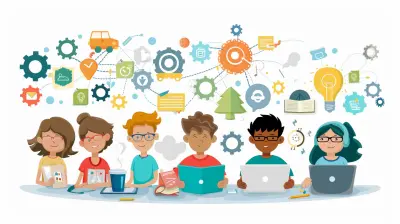
When we say “collaboration” in early education, we’re not just talking about teachers working together. We’re talking teachers, parents, administrators, specialists, and even the kids themselves teaming up for one powerful mission—to support a child's growth, development, and learning.
In this post, we’ll break down why collaboration isn’t just a nice-to-have, but an absolute must-have in early education settings. Whether you’re a parent, educator, or simply someone who cares about giving kids the best start, this one’s for you.
Why Early Childhood Education Sets the Foundation
Before diving into collaboration, let’s set the stage. Early childhood (we’re talking birth to around age 8) is a critical period. It’s when brain development is on overdrive. Kids learn how to think, how to talk, how to move, how to socialize… basically, they're learning how to be human.The experiences children have in these early years shape their attitudes, skills, and even long-term academic performance. That’s a pretty big deal, right?
So why leave that to chance or go it alone?
This is where collaboration steps in to supercharge the impact.
What Does Collaboration Look Like in Early Childhood Education?
Collaboration in early childhood settings isn’t just one thing. It takes many forms and happens on multiple levels.1. Teacher-to-Teacher Collaboration
Imagine two teachers working in the same classroom. If they’re not on the same page, chaos can happen fast. Collaboration means they plan lessons together, share observations, troubleshoot behavior issues, and brainstorm creative activities as a team. It creates a smoother, more engaging experience for the kids.2. Teacher and Parent Partnerships
Parents are a child’s first and most influential teachers. When educators and parents communicate openly, share strategies, and support each other, the benefits flow directly to the child. Think of it like co-piloting a plane: both need to be in sync for a smooth ride.3. Involving Specialists and Support Staff
Speech therapists, occupational therapists, counselors—these professionals bring specialized knowledge that can open up new paths for learning. When educators team up with these experts, they create personalized support plans that truly make a difference.4. Child Involvement
Yes, even young children can be collaborators! When we involve them in decision-making (like choosing storybooks or helping set classroom rules), they feel respected and engaged. It’s empowering, and it teaches them how to work with others from the get-go.
The Big Benefits of Collaboration in Early Childhood Education
So, what exactly do we gain when everyone teams up? Let’s break it down.1. Holistic Support for the Child
No one person sees the whole picture. Teachers see one side of a child at school, parents see another at home, and specialists may notice things others don’t. When these observations come together, we get a 360-degree view of the child’s needs. That’s huge for tailoring education and care.2. Early Detection of Issues
Two heads (or five) are better than one. Collaborative teams are more likely to notice developmental delays, learning differences, or behavioral challenges early on. And catching these issues early can make the difference between a breakthrough and a breakdown.3. Boosted Learning Outcomes
When educators share what works and tweak what doesn’t, classroom strategies improve. It’s like crowd-sourcing excellence. Add in insights from parents and specialists, and you’ve got a winning recipe for academic and social-emotional success.4. Reduced Stress for Everyone
Ever try juggling everything alone? It’s exhausting. Collaboration spreads the workload and builds a support system. Teachers feel less isolated, parents feel heard, and kids feel secure. Everyone wins.5. Stronger Sense of Community
Effective collaboration builds trust and a sense of belonging. And when children grow up feeling like they’re part of a caring community, they thrive. It’s the social glue that holds early learning environments together.
How to Foster a Collaborative Environment in Early Learning Settings
Okay, we’ve sold you on the benefits. But how do you actually make collaboration happen? It doesn’t just magically occur—there’s intention behind it. Here are some practical ways to turn collaboration from buzzword into reality.1. Regular Communication
This might seem like a no-brainer, but it’s shocking how many issues stem from simple miscommunication. Weekly check-ins between teachers, consistent updates for parents, shared journals, and even group texts can keep everyone in the loop.Use tools like:
- Parent-teacher communication apps (e.g., ClassDojo, Brightwheel)
- Email newsletters
- Face-to-face or virtual meetings
2. Shared Goals and Expectations
Everyone should be working toward the same outcomes for the child. Sit down as a team—including parents—and set clear, specific goals for development and behavior. When everyone’s rowing in the same direction, progress happens faster.3. Professional Development
Teachers need ongoing training about how to communicate with families, collaborate with others, and manage inclusive classrooms. Workshops, webinars, and coaching sessions can give educators the tools to work better as a team.4. Create a Culture of Respect
Collaboration only works when everyone feels valued. That means respecting cultural differences, listening without judgment, and honoring each person’s unique contribution. Treat others the way you’d want to be treated—that rule still holds up.5. Encourage Student Voice
Even young learners have ideas worth hearing. Give children choices. Let them weigh in on class projects. When they see their ideas matter, they learn to value others' ideas too—a cornerstone of collaboration.Common Roadblocks to Collaboration (And How to Overcome Them)
Let’s not sugarcoat it—collaboration isn’t always easy. But when you know what to watch out for, it’s easier to steer clear of trouble.1. Time Constraints
Everyone’s busy. Collaboration takes time, and sometimes that’s in short supply. The fix? Schedule it. Just like you’d book a dentist appointment or team meeting, make time for collaboration. Prioritize it, and it’ll become routine.2. Communication Breakdowns
Ever played the telephone game as a kid? That’s what happens when communication isn’t clear. Be direct, use plain language, and double-check for understanding—especially when exchanging info about children.3. Differing Opinions
Not everyone will agree on the best approach—and that’s okay. The key is to focus on the child’s best interests and keep the conversation respectful. Use data and observations to guide decisions when personal opinions clash.4. Lack of Training
Some educators just haven’t been taught how to truly collaborate. It’s a skill, not an instinct. That’s why training and mentorship are so important.Real-Life Examples of Collaboration in Action
Let’s look at what collaboration looks like in the real world. These aren’t fairy tales—they’re achievable stories from classrooms just like yours.Case Study 1: The Quiet Toddler Who Blooms
A teacher notices that one toddler, Ava, rarely speaks compared to her peers. During a parent-teacher chat, the mom mentions Ava talks nonstop at home. Together, they involve a speech-language therapist who identifies a classroom-specific anxiety. With a few changes to the environment and more one-on-one time, Ava starts participating more. Collaboration was key.Case Study 2: The Fussy Eater
Four-year-old Liam refuses most foods at school. The teacher brings it up during a conference, and the parent admits they struggle with the same issue. A nutritionist joins the conversation and offers tips. Over the weeks, they all work together to introduce new foods gradually. Liam finally eats lunch without a fuss.Why Today’s World Demands Collaboration More Than Ever
Let’s face it—kids today are growing up in a fast-changing world. The problems they’ll face aren’t simple, and it’s going to take teamwork, empathy, and communication to handle them. So, if we want to nurture those skills, we need to model them from the very beginning.By showing kids what collaboration looks like, we’re not only enhancing their early education—we’re laying the groundwork for them to become compassionate, competent, and cooperative adults.
Final Thoughts: Teamwork Makes the Dream Work
At the heart of every thriving early childhood environment is a team. A team of teachers, parents, staff, and kids working together. It’s not always smooth sailing—but it’s always worth it.When we collaborate, we multiply our strengths. We plug knowledge gaps. We catch what others might miss. Most importantly, we create a nurturing, responsive space where kids can grow into their best selves.
So whether you’re a teacher looking to team up, a parent hoping to be heard, or an administrator building a collaborative culture—your role matters.
Let’s make early education a true team sport.
all images in this post were generated using AI tools
Category:
Collaborative LearningAuthor:

Bethany Hudson
Discussion
rate this article
1 comments
Thistle Patel
This article highlights a crucial aspect of early childhood education. Collaboration not only enriches learning experiences for children but also fosters a supportive environment for educators, ultimately benefiting the development of young minds. Great insights!
September 28, 2026 at 2:35 AM