The Most Surprising Student Life Trends of 2026
13 May 2026
Let's be honest: when you picture a college student in 2026, you probably imagine someone glued to a laptop, drowning in energy drinks, and stressing about AI taking their degree. But the reality? It's way weirder, more human, and honestly, kind of refreshing. We're seeing trends that nobody predicted even five years ago. Students aren't just surviving college anymore; they're quietly rewriting the rules of how to live, learn, and connect. And some of these trends will genuinely surprise you.

The "Slow Semester" Movement: Deliberate Under-Scheduling
Remember when the flex was a 21-credit semester, a part-time job, and a leadership role in three clubs? Yeah, that's out. The biggest shocker of 2026 is the rise of the "Slow Semester." Students are actively taking fewer courses per term, sometimes dropping to 9 or 12 credits, and stretching their degrees to five years. Why? Because they realized that burnout isn't a badge of honor.This isn't laziness. It's a calculated move. They're using the extra time to actually learn the material deeply, work on passion projects, or just sleep. One student told me, "I used to race through classes and remember nothing. Now I take three classes, go to office hours, and actually enjoy learning." The culture of "busy" is dying. Instead of comparing schedules, students are comparing their mental health scores. It's a quiet rebellion against the hustle culture that defined the 2010s.
The "Third Place" Dorm Room Revolution
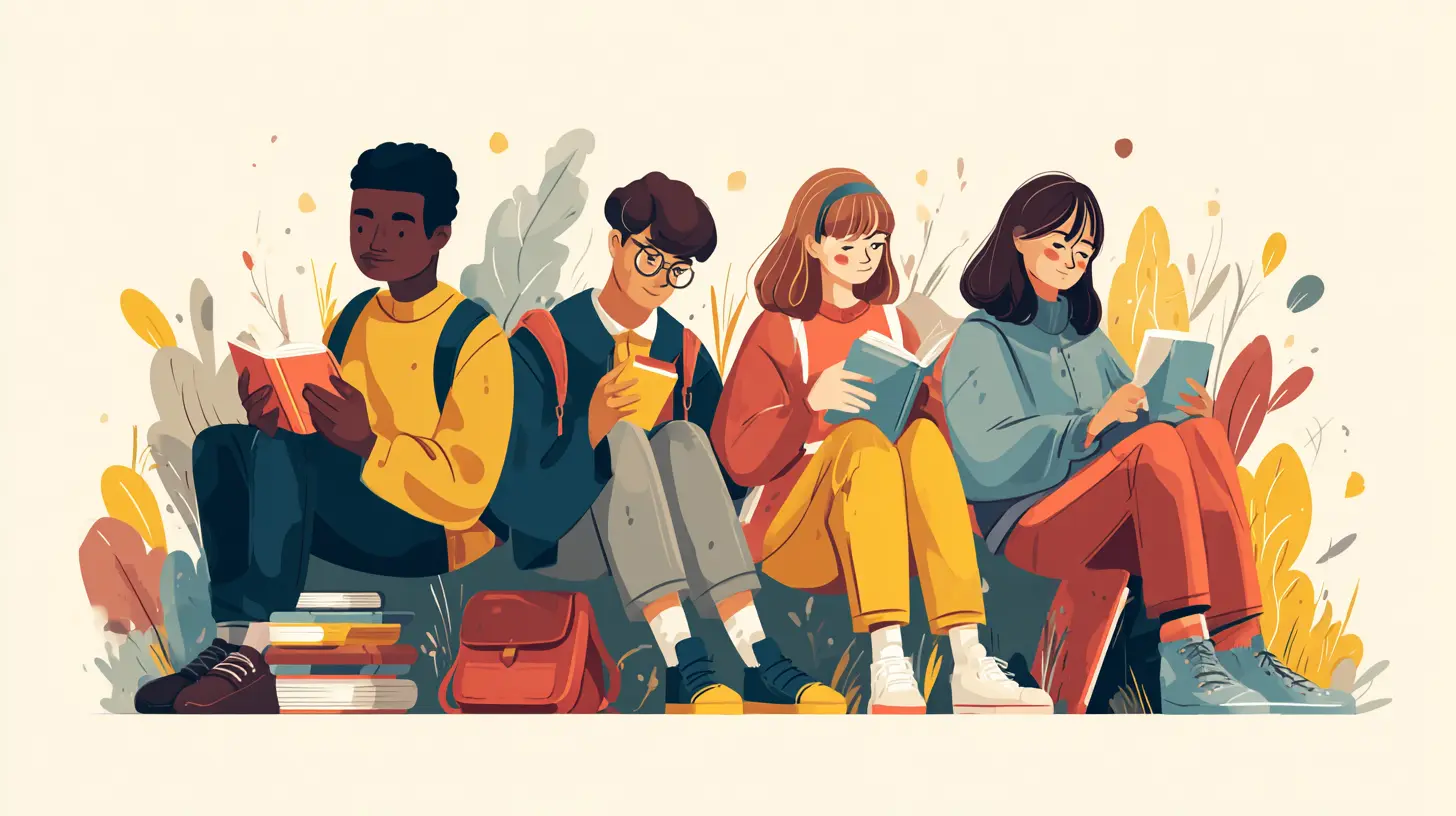
For decades, the dorm room was just a place to crash. Not anymore. In 2026, the dorm has become the "third place" - a term sociologists use for social spaces outside home and work. Students are transforming their rooms into micro-communities. Think living rooms with beanbags, shared gaming consoles, and even small libraries. They're hosting "low-stakes hangouts" where the goal isn't to party, but to just exist together.This trend was born from the loneliness epidemic of the early 2020s. After years of isolation, students crave physical proximity without social pressure. So you'll see "silent reading parties" in dorms, where everyone brings a book and sits in comfortable silence. Or "cooking nights" where they make ramen together. It's low effort, high connection. The dorm is no longer a stopover; it's a sanctuary.

The AI Tutor Rebellion (Not What You Think)
Everyone expected students to use AI to cheat. And sure, some do. But the surprising trend is students using AI as a personal tutor, not a shortcut. They're feeding their lecture notes into language models and asking for explanations in different styles. "Explain this chemistry concept like I'm a five-year-old" or "Give me three analogies for this economic theory." It's like having a patient, tireless professor who never gets annoyed.But here's the twist: students are also becoming hyper-critical of AI. They're fact-checking everything, sharing "AI hallucination" memes, and forming study groups to verify outputs. The smartest students treat AI like a dumb intern - useful for drafts, but never trusted without human oversight. This trend is producing a generation that's both tech-savvy and deeply skeptical. They're not afraid of AI; they're just not impressed by it either.
The "Analog Hour" and Digital Detox Clubs
In a world of constant notifications, the most shocking trend is the embrace of analog. Students are forming "Digital Detox Clubs" where members commit to one hour a day without screens. They meet in person, play board games, write letters, or just talk. Some campuses have "No Phone Zones" in libraries and dining halls. It sounds retro, but it's spreading like wildfire.Why? Because students are exhausted by the dopamine loop. They've realized that scrolling doesn't fill the void; it deepens it. So they're reclaiming boredom. They're learning to sit with their thoughts, to daydream, to have awkward silences. One club leader told me, "The first week is painful. You feel phantom phone buzzes. But after that, it's liberating. You remember what your own mind sounds like." This trend is a direct response to the overstimulation of modern life, and it's only growing.
The "Gig Degree" and Portfolio-Based Grading
Traditional grades are losing their grip. In 2026, more students are opting for "portfolio-based" assessments over exams. Instead of a final, they submit a project, a video essay, or a digital portfolio showing their work. This trend is fueled by employers who care more about skills than GPAs. Students are building "gig degrees" - custom curricula that mix traditional courses with online certifications, internships, and self-taught skills.Think of it like a mixtape instead of an album. You're not just taking classes; you're curating a set of competencies. A student might major in computer science but also earn a certificate in graphic design and a micro-credential in public speaking. They're not waiting for a diploma to prove their worth. They're proving it in real-time, with real work. This trend is making the four-year degree feel less like a monolith and more like a launchpad.
Financial Transparency: The "Tuition Dashboard"
Money has always been a taboo topic among students. Not anymore. The most surprising trend is the open discussion of tuition, debt, and financial aid. Students are creating "tuition dashboards" - shared spreadsheets where they compare costs, hidden fees, and scholarship opportunities. They're calling out universities for predatory practices and organizing collective bargaining for lower textbook prices.This transparency is changing how students choose colleges. Instead of prestige, they're prioritizing value. A student might turn down a fancy private school for a community college that offers a clear path to a job. The stigma of "cheaper" is fading. Students are thinking like investors, not consumers. They're asking, "What's my return on this degree?" and walking away from deals that don't add up. It's a sobering, pragmatic shift that's reshaping higher education.
The "Sleep is a Skill" Culture
For decades, all-nighters were a rite of passage. In 2026, they're a red flag. Students are treating sleep as a performance-enhancing skill, not a luxury. They're using smartwatches to track sleep cycles, creating bedtime routines, and even taking "sleep classes" offered by wellness centers. The phrase "I'll sleep when I'm dead" is now considered toxic.This trend started with athletes and spread to the general student body. They've seen data showing that sleep improves grades, mood, and even social skills. So they're protecting their sleep like a precious resource. Dorm rooms now have blackout curtains, white noise machines, and "quiet hours" that are actually enforced. Students are scheduling naps between classes. It sounds basic, but in a culture that glorifies exhaustion, choosing rest is a radical act.
The "Community College Comeback"
Here's a trend that would have shocked my generation: community colleges are cool again. In 2026, students are openly choosing two-year schools for the first two years of their degree, then transferring to a university. Why? Cost, flexibility, and smaller class sizes. They're bragging about graduating with zero debt instead of a prestigious name.This is a massive cultural shift. The stigma of "starting at a community college" is gone. Students see it as a smart financial move, not a fallback. They're creating social media content about their CC experiences, showing off their close-knit communities and dedicated professors. Some are even staying for all four years, earning associate degrees and then transferring to online programs from top universities. The "degree ladder" is becoming more common than the "degree escalator."
The "Micro-Internship" and the "Try Before You Buy" Career
The traditional summer internship is dying. In its place: micro-internships. These are short, project-based gigs that last one to four weeks. Students can try multiple industries in a single semester. Think of it like speed dating for careers. You spend two weeks at a tech startup, then two weeks at a nonprofit, then a week at a design agency.This trend is driven by students' fear of making the wrong choice. They don't want to commit to a major or a career path without sampling it first. Micro-internships give them low-risk exposure. They also build a network faster. One student told me, "I had five different mentors by sophomore year because of these short gigs. I know what I want now, and I know what I don't want." It's a practical, adaptive approach to career planning that's replacing the old "find your passion" cliche.
The "No-Score Social Media" Movement
This might be the most surprising trend of all. Students are abandoning likes, comments, and follower counts. They're moving to platforms that don't have visible metrics, like private group chats, newsletters, or even old-school blogs. They're tired of performing for an audience. They want genuine connection without the anxiety of validation.Some are creating "digital gardens" - personal websites where they share thoughts without expecting engagement. Others are using "beReal" clones but with a twist: no friends, just strangers. The goal is to express without ego. This trend is a quiet rejection of the influencer economy. Students are realizing that their worth isn't tied to a number. They're choosing intimacy over reach. It's a small but powerful shift that could reshape how we think about social media.
The "Borrowed Future" and the "Rent Everything" Lifestyle
Finally, students in 2026 are embracing a "borrowed future." They're renting everything: textbooks, furniture, electronics, even clothes for interviews. Why own when you can access? This is partly financial, but also philosophical. They don't want to be weighed down by stuff. They want flexibility to move, travel, or change majors without selling a couch.Platforms for renting everything are booming. Students rent a laptop for a semester, then upgrade. They rent a suit for a job fair, then return it. They even rent "experiences" - like a weekend cabin or a bike for a trip. This trend mirrors the subscription economy but with a twist: it's temporary by design. Students are building lives that are light, mobile, and adaptable. They're not accumulating; they're experiencing.
Conclusion: The Quiet Revolution
So what do these trends tell us? That students in 2026 are smarter, more intentional, and more human than we give them credit for. They're rejecting the old scripts - the hustle, the debt, the burnout, the performance - and writing their own. They're prioritizing sleep over grind, connection over likes, and value over prestige. It's not a loud rebellion. It's a quiet one. And it's changing everything.If you're a student reading this, take a moment to see which trends resonate with you. Maybe you're already doing some of them. Maybe you want to try a "Slow Semester" or join a digital detox club. The point is, you don't have to follow the old path. You can build your own. And based on these trends, that path looks a lot more peaceful, practical, and real.
all images in this post were generated using AI tools
Category:
Student LifeAuthor:

Bethany Hudson
Discussion
rate this article
1 comments
Vesper Benton
This article highlights some intriguing trends in student life for 2026. The insights into evolving social dynamics and technology use are both eye-opening and thought-provoking.
May 13, 2026 at 11:14 AM
Bethany Hudson
I'm glad you found the insights compelling! It's fascinating to see how student life is evolving so quickly.