The Power of Project-Based Learning in Environmental Studies
8 March 2026
Environmental issues are more pressing than ever. Climate change, pollution, deforestation—these aren't just buzzwords anymore; they're real problems that need real solutions. So, how do we equip the next generation to tackle these challenges? Enter Project-Based Learning (PBL)—an innovative approach that's revolutionizing environmental studies.
Instead of memorizing facts from textbooks, students dive into real-world projects, solving problems hands-on. Think of it as the difference between reading about riding a bike and actually pedaling one. Let's break down why PBL is a game-changer in environmental education.
What Is Project-Based Learning (PBL)?
Project-Based Learning (PBL) is an interactive, student-driven approach to education where learners engage in meaningful, real-world projects. Unlike traditional learning, where students passively absorb information, PBL encourages them to:- Research real-world issues
- Develop creative solutions
- Collaborate with peers
- Present their findings
For environmental studies, this means tackling issues like water conservation, waste management, renewable energy, and ecosystem protection—not just in theory, but in practice.
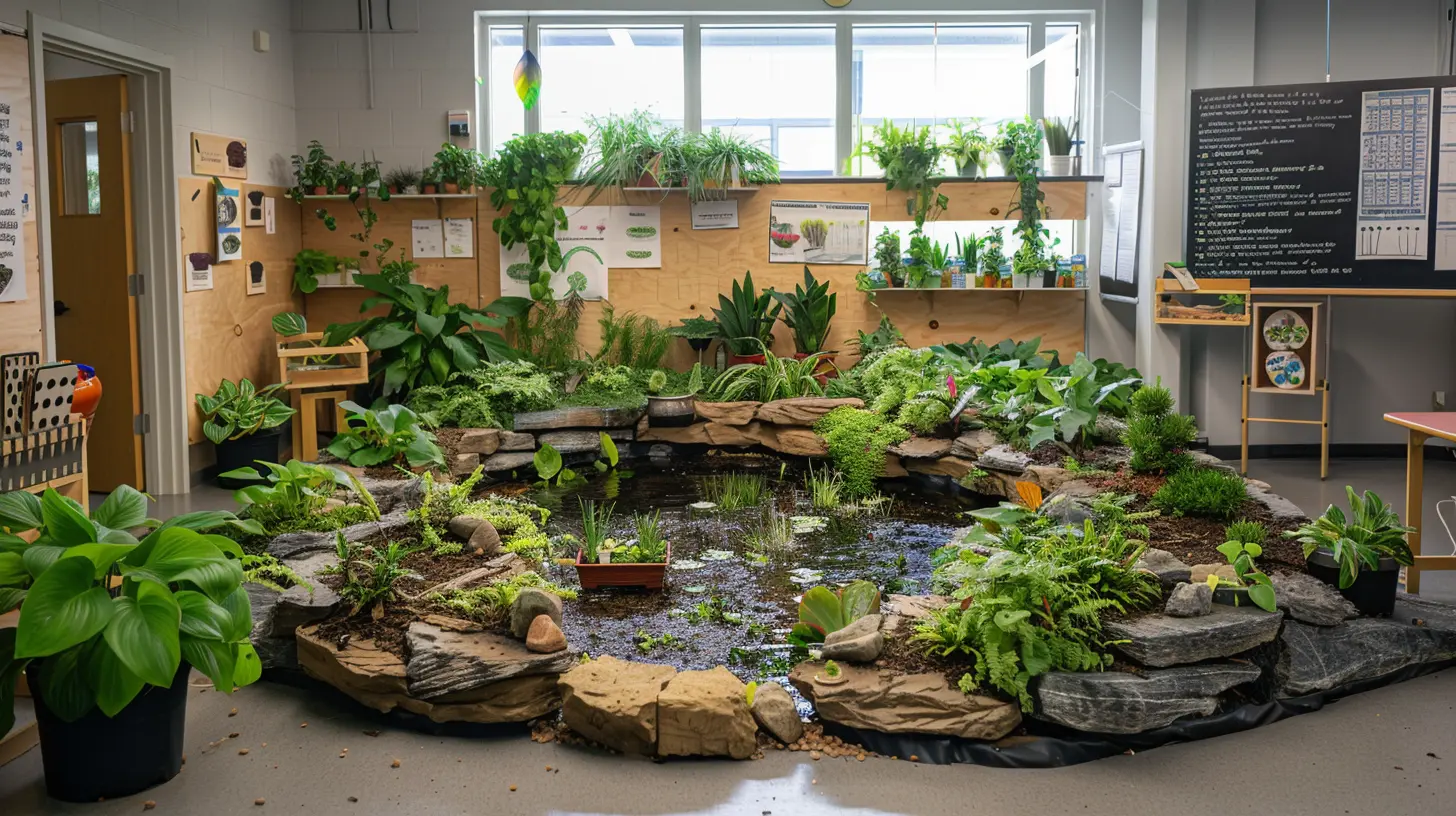
Why PBL Works Wonders for Environmental Studies
Environmental studies isn’t just another subject—it’s a call to action. Students need to see problems, analyze them, and take action. PBL transforms learning from passive to proactive, making it one of the best ways to teach environmental responsibility.1. Hands-On Learning Sticks Better
Ever tried baking a cake just by reading a recipe? Probably didn’t turn out great, right? The same goes for learning. When students roll up their sleeves and work on actual projects, concepts become clearer and stick longer.For instance, instead of studying pollution from a textbook, students could test water quality from local rivers. This kind of hands-on learning cements knowledge in ways traditional methods never could.
2. Develops Problem-Solving Skills
Environmental challenges aren’t black and white. They require critical thinking and problem-solving skills. PBL puts students in situations where they must assess problems, brainstorm solutions, and weigh consequences—just like real-world environmentalists do.Imagine a class working on reducing plastic waste in their school. They would have to:
- Identify the problem (excessive plastic use)
- Research sustainable alternatives
- Encourage behavioral changes through awareness campaigns
- Measure the impact of their efforts
Through this process, they develop essential skills like research, teamwork, and strategic thinking.
3. Encourages Collaboration and Teamwork
The key to solving environmental issues? Teamwork. No one person can fix climate change alone, and that’s exactly what PBL teaches—collaboration.Students work in groups, pooling their ideas and skills to create impactful solutions. Whether it’s designing an urban garden or launching a recycling initiative, teamwork fosters communication, leadership, and cooperation.
4. Bridges the Gap Between Education and Action
Traditional education often stops at theory, leaving students thinking, "Great, I know this—but how do I use it?" PBL removes that gap by placing students in real situations where they must take action.For example, instead of reading about endangered species, students can partner with conservation groups to create awareness campaigns or even help restore habitats. Suddenly, their work has real meaning and impact.
5. Boosts Engagement and Motivation
Let’s face it—traditional classrooms can be boring. Endless lectures and note-taking? Not exactly a recipe for excitement. PBL, on the other hand, makes learning dynamic and engaging.When students work on projects they are passionate about—like building a solar-powered greenhouse or cleaning up a polluted beach—they become genuinely invested. This intrinsic motivation leads to higher retention rates, better participation, and a stronger commitment to environmental advocacy.
6. Prepares Students for the Real World
Many environmental careers—whether in sustainability, conservation, or renewable energy—require hands-on experience. PBL mimics real-world challenges, preparing students for future jobs and responsibilities.By the time they graduate, students aren’t just knowledgeable—they’re equipped with practical skills that make them effective problem-solvers and environmental leaders.
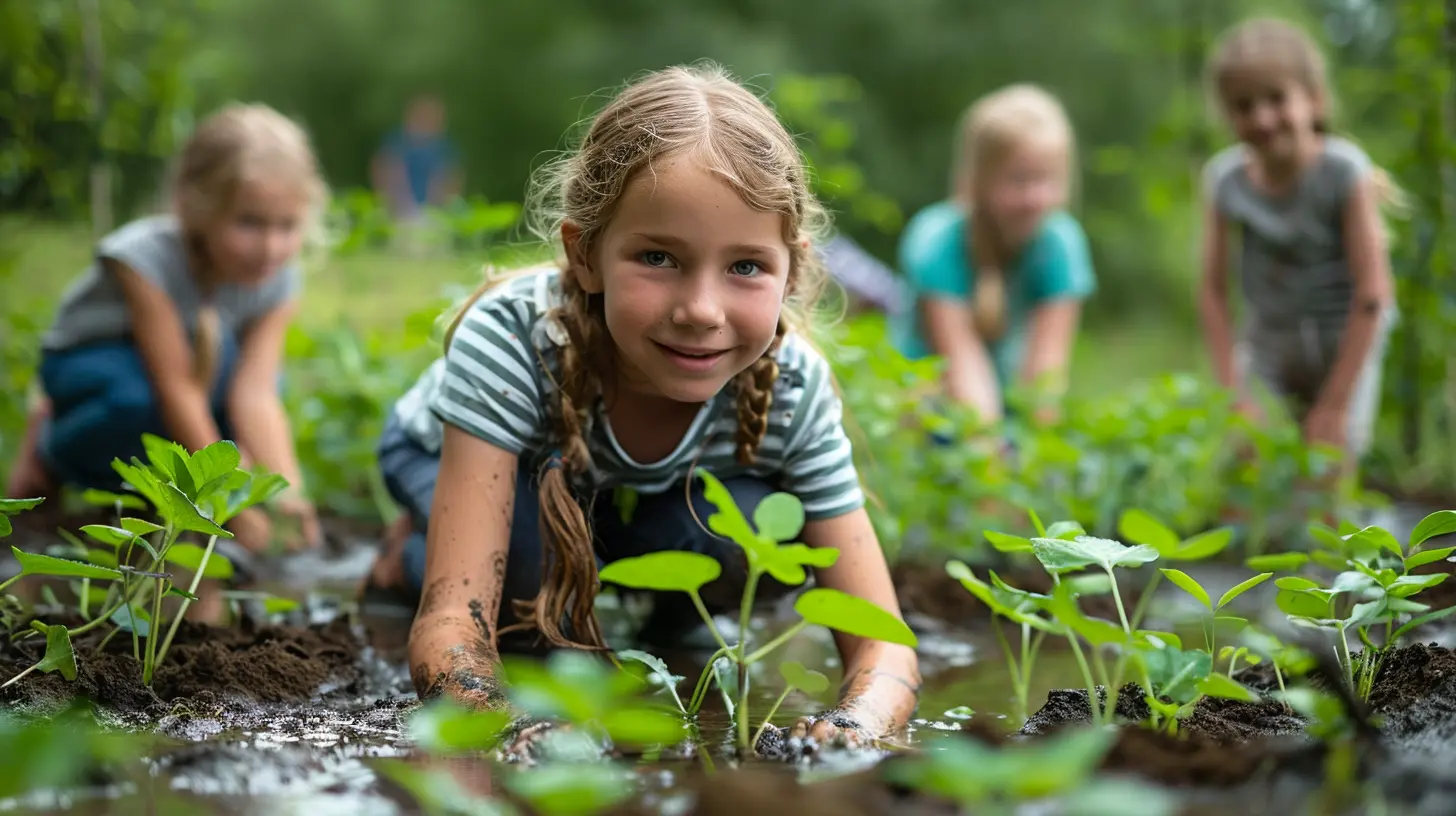
Real-World Project Ideas for Environmental Studies
Incorporating PBL into environmental studies can be incredibly rewarding. Here are some engaging project ideas for students:1. Schoolwide Waste Audit
- Assess how much waste a school generates.- Identify areas for improvement (e.g., reducing single-use plastics).
- Implement a recycling or composting program.
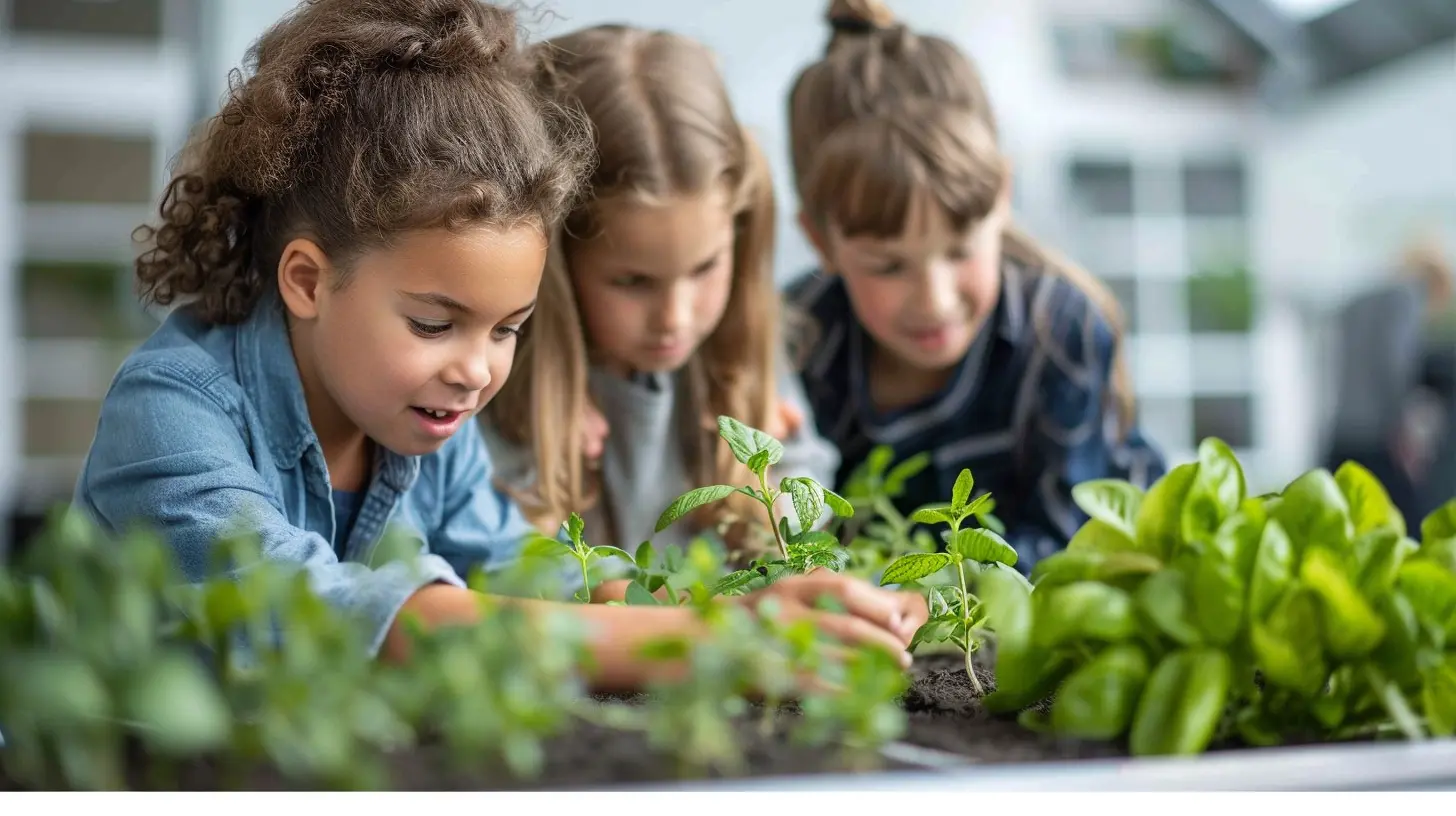
2. Community Garden Project
- Research sustainable gardening techniques.- Design and build a garden using compost, rainwater collection, and native plants.
- Educate the community on local food production.
3. Eco-Friendly School Initiative
- Reduce the school’s carbon footprint.- Introduce energy-saving habits (turning off lights, using solar panels).
- Advocate for a plastic-free campus.
4. Water Quality Investigation
- Collect water samples from local sources.- Test for pollution and contaminants.
- Work with local authorities to address water safety concerns.
5. Renewable Energy Model
- Build small-scale models of solar panels or wind turbines.- Study energy efficiency and propose sustainable solutions.
- Present findings to educate the school or community.
Overcoming Challenges in PBL
As powerful as PBL is, it comes with challenges. Some teachers and students may initially struggle with the shift from traditional learning to self-directed projects. Common obstacles include:- Time Management: PBL requires longer project timelines. Solution? Break tasks into smaller milestones.
- Group Dynamics: Not all students work well together. Solution? Rotate roles and encourage peer feedback.
- Resource Constraints: Some projects need funding or materials. Solution? Seek grants or community partnerships.
Despite these challenges, the benefits far outweigh the difficulties. With proper planning and support, PBL can transform environmental education for the better.
Conclusion
Project-Based Learning isn’t just another teaching method—it’s a powerful tool that immerses students in the real world. When applied to environmental studies, it goes beyond textbooks, pushing students to observe, analyze, and solve real problems.In a world where environmental challenges are urgent and complex, we need solution-driven learners—students who don’t just read about change but drive it forward. With PBL, we’re not just educating the next generation; we’re empowering them to be the environmental leaders of tomorrow.
all images in this post were generated using AI tools
Category:
Environmental EducationAuthor:

Bethany Hudson
Discussion
rate this article
2 comments
Matilda Chapman
Transforming theory into action—education for a sustainable future!
March 26, 2026 at 1:29 PM
Bethany Hudson
I completely agree! Project based learning is a vital step in bridging the gap between theory and real-world application in environmental education.
Nell McKnight
This article beautifully highlights how project-based learning cultivates a deeper understanding of environmental issues, fostering both knowledge and empathy in students. Truly inspiring and essential!
March 10, 2026 at 4:17 AM
Bethany Hudson
Thank you for your thoughtful comment! I'm glad you found the article inspiring and appreciate the emphasis on empathy in learning.