The Role of Community Colleges in Expanding Access to Higher Education
9 December 2025
When you think about higher education, what comes to mind? For many, it might be images of prestigious universities with towering ivy-covered buildings. But there’s another, often overlooked, part of the higher education landscape that plays an essential role in making college accessible to millions of people: community colleges.
Community colleges are like the unsung heroes of education. They’re often more affordable, flexible, and accessible than traditional four-year universities. And for many students, they serve as a stepping stone to better opportunities—whether that’s a bachelor’s degree, a career, or simply personal growth.
In this article, we’re going to dive into the importance of community colleges in expanding access to higher education. Spoiler alert: It’s a big deal.
What Exactly are Community Colleges?
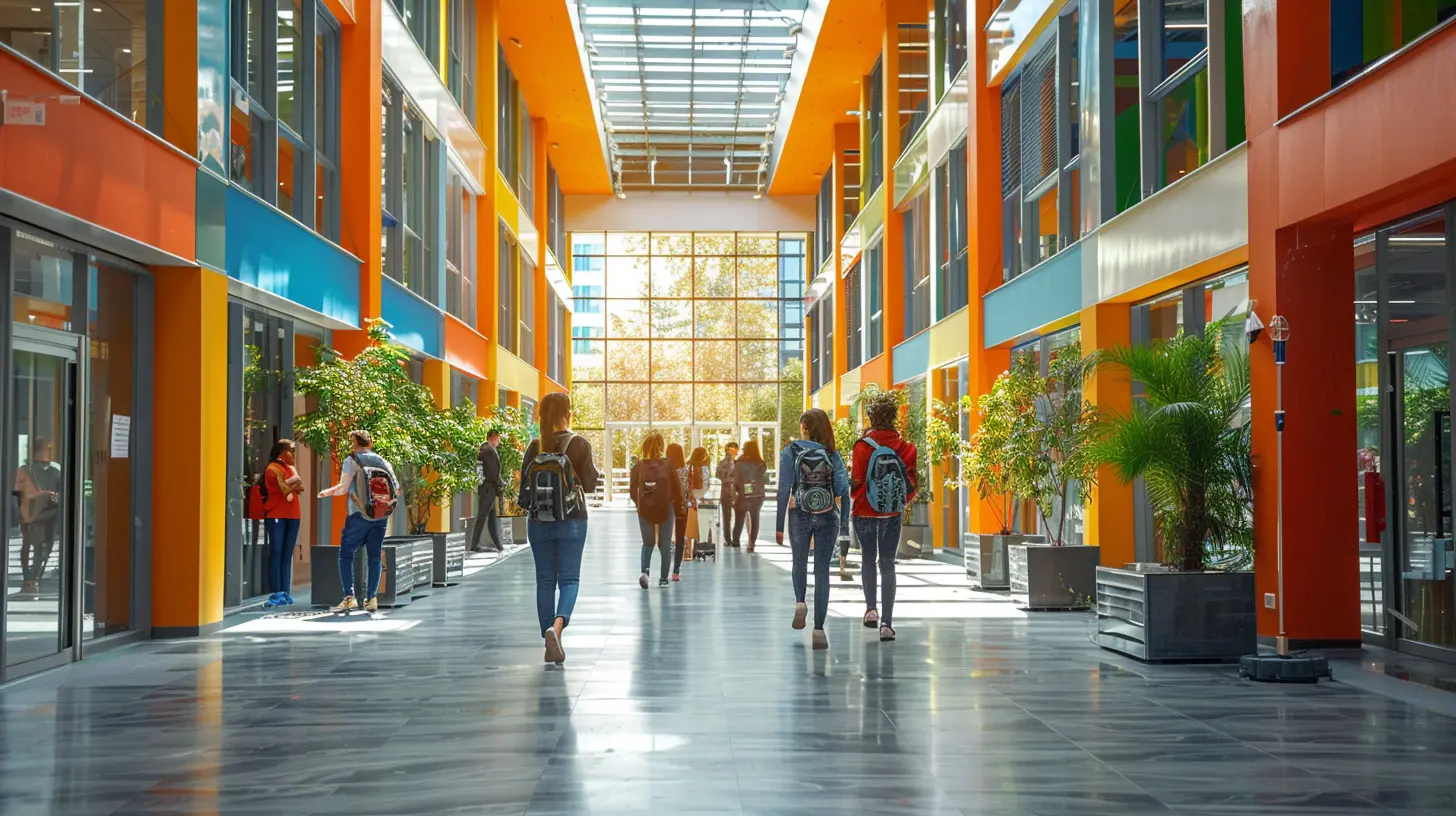
Before we get too far ahead of ourselves, let’s make sure we’re all on the same page. What is a community college? These institutions—sometimes called junior colleges—are typically two-year public colleges that offer associate degrees, certificates, and vocational training. Some community colleges also provide pathways for students to transfer to a four-year university.Unlike traditional universities, community colleges often have an open-door admission policy. This means that anyone with a high school diploma (or equivalent) can enroll. No need for sky-high SAT scores or a long list of extracurriculars. Community colleges are for everyone.
A Flexible Option
One of the biggest reasons community colleges stand out is their flexibility. Not everyone can follow the traditional college path. Life happens—whether it’s work, family responsibilities, or financial barriers. Community colleges understand that not everyone fits neatly into the “full-time student” mold.Many community colleges offer part-time and night classes, making it easier for students to juggle other commitments. They also cater to adult learners who may be returning to education after a gap.
Affordability and Accessibility
Let’s get real for a second—higher education can be expensive. And not just in terms of tuition, but also housing, books, and other associated costs. Community colleges are often a lot more affordable than four-year universities. According to the College Board, the average tuition at a public community college is significantly lower than at a public or private four-year university. This makes community colleges an attractive option for students who might be priced out of other institutions.But it’s not just about cost. Community colleges are often easier to access geographically, too. There are more than a thousand community colleges across the U.S., and many are located in areas that might be far from traditional university campuses. This means that students who live in rural or underserved areas can still get a quality education without having to travel far from home.
The Stepping Stone to a Four-Year Degree
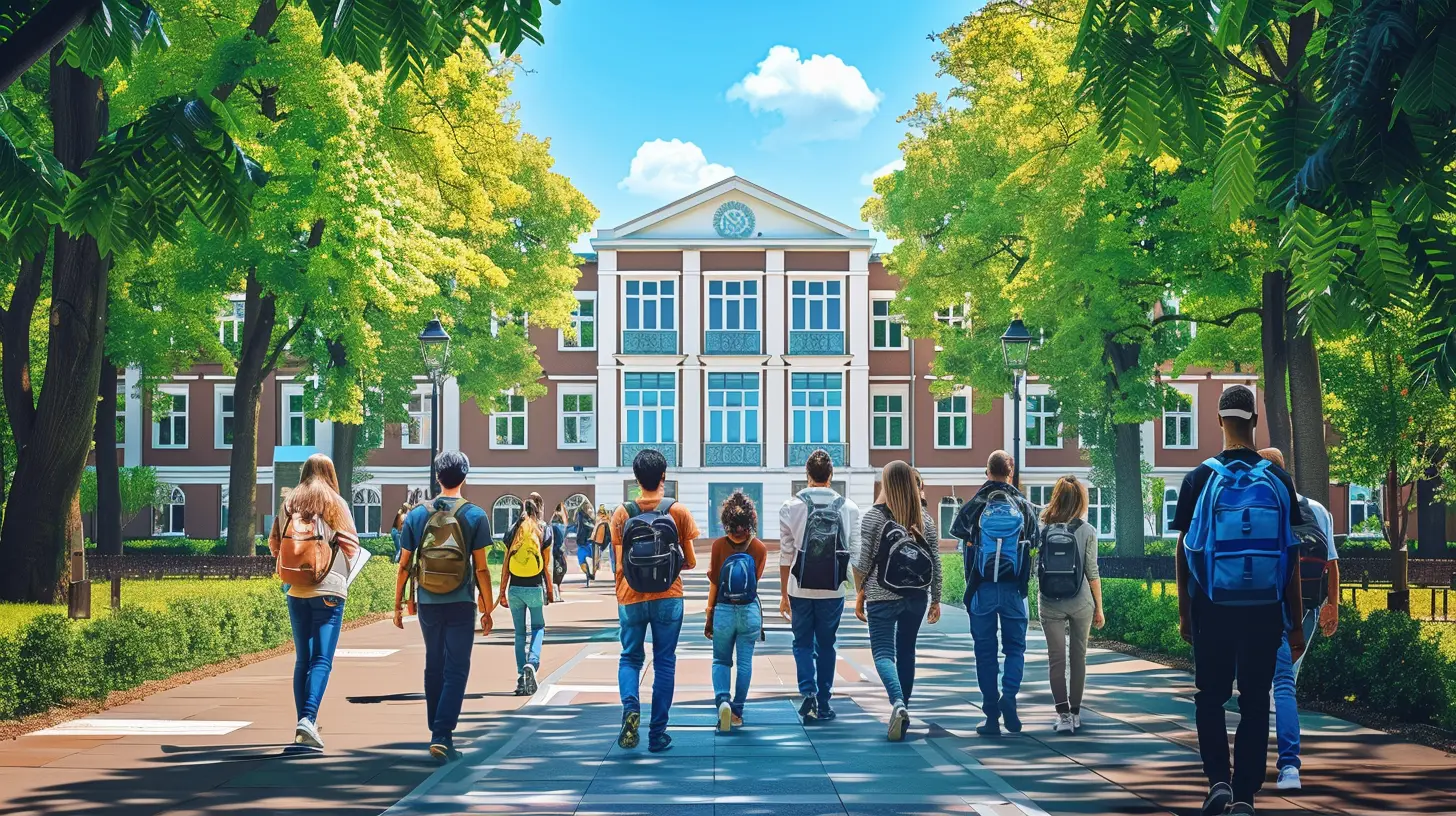
Here’s something you might not know: Community colleges are often the first step for students who plan to transfer to a four-year university. In fact, about 40% of all undergraduates in the U.S. start their college journey at a community college.For students who dream of earning a bachelor’s degree but can’t afford the high price tag of a four-year institution, starting at a community college is a smart way to save money while still working toward their long-term goals. Many community colleges have partnerships with local universities that make transferring credits a seamless process.
It’s like taking a pit stop on a long road trip—you’re still heading toward your destination, but you’re doing it in a way that works better for your wallet and your circumstances.
Transfer Agreements and Articulation Programs
A lot of community colleges have something called “articulation agreements” with four-year universities. These agreements lay out exactly how the credits you earn at a community college will transfer to a university program. It’s like having a roadmap that ensures you don’t waste time or money on classes that won’t count toward your degree.Some states even have guaranteed transfer programs. For example, in California, students who complete an Associate Degree for Transfer (ADT) are guaranteed admission to the California State University system. It’s a win-win situation for students who want to keep their options open.

Career and Technical Education (CTE) Programs
Not everyone wants or needs a four-year degree. For some, going to college is about getting the skills they need to jump straight into the workforce. That’s where Career and Technical Education (CTE) programs come in.Community colleges offer a wide range of CTE programs that focus on practical, hands-on skills in fields like healthcare, information technology, automotive repair, and more. These programs are shorter than traditional degree programs—often taking just a year or two—and they prepare students for high-demand jobs.
Think about it this way: Every community needs nurses, technicians, electricians, and skilled tradespeople. Community colleges help fill that gap by offering affordable, accessible training that leads directly to employment. In fact, many CTE program graduates earn competitive salaries that match or even exceed those of some four-year degree holders.
A Lifeline for Non-Traditional Students
Who exactly are “non-traditional” students? Well, the answer might surprise you. Non-traditional students are typically defined as those who don’t follow the typical straight-out-of-high-school path to college. This can include older students, part-time students, parents, or those returning to education after years in the workforce.Community colleges have become a lifeline for these students because they offer flexible schedules, smaller class sizes, and more personalized support services. For instance, many community colleges provide childcare services, career counseling, and tutoring—all designed to meet the unique needs of non-traditional students.
For someone who’s balancing a job and family while trying to go back to school, these resources can be the difference between success and dropping out.
Diversity and Inclusion in Community Colleges
It’s no secret that traditional universities can sometimes feel exclusive, especially for students from minority or low-income backgrounds. Community colleges, on the other hand, pride themselves on being inclusive.According to the American Association of Community Colleges (AACC), nearly 50% of community college students are students of color, and a significant portion are first-generation college students. In other words, community colleges are giving underserved populations a chance to get an education when other institutions might not.
It’s not just about getting in the door, either. Community colleges often provide the support systems students need to succeed. From mentoring programs to financial aid resources, they’re designed to help students overcome the obstacles that might stand in the way of their education.
Supporting First-Generation Students
Being the first in your family to attend college can be both exciting and overwhelming. First-generation students often face additional challenges, like navigating the financial aid process or feeling out of place in an academic environment. Community colleges understand this and offer targeted support to help these students thrive.Many community colleges have programs specifically for first-generation students that provide academic advising, peer support, and workshops on everything from financial literacy to study skills. This kind of support can make all the difference in helping first-gen students not only get into college but also succeed once they’re there.
The Future of Community Colleges
So, what does the future hold for community colleges? With the cost of higher education continuing to rise and more and more people looking for flexible, affordable alternatives to traditional universities, community colleges are likely to play an even bigger role in the coming years.In fact, many policymakers and education advocates are pushing for expanded investment in community colleges. Some proposals even call for making community college tuition-free for all students. This could be a game-changer, particularly for low-income and underrepresented students who might otherwise be shut out of higher education.
Online Learning and Remote Access
Another exciting trend in community colleges is the rise of online learning. While community colleges have always focused on making education accessible, the COVID-19 pandemic accelerated the demand for remote learning options. Many community colleges now offer robust online programs that allow students to earn degrees and certificates entirely from home.This shift toward online learning could help community colleges reach even more students, particularly those in rural areas or those who need the flexibility to study around work or family obligations.
Conclusion: The Unsung Role of Community Colleges
Community colleges may not always get the spotlight, but their role in expanding access to higher education can’t be overstated. They’re affordable, flexible, and inclusive institutions that offer students a wide range of opportunities—whether that’s transferring to a four-year university, gaining practical skills through a CTE program, or simply taking a few classes for personal enrichment.For millions of students, community colleges are the gateway to a better future. They’re making higher education accessible to everyone, regardless of where they come from or where they want to go. And that’s something worth celebrating.
all images in this post were generated using AI tools
Category:
Higher EducationAuthor:

Bethany Hudson
Discussion
rate this article
2 comments
Weston Warren
Community colleges truly open doors, making higher education accessible for everyone. So vital!
December 15, 2025 at 3:38 AM
Bethany Hudson
Thank you! Community colleges play a crucial role in promoting equity and opportunity in higher education.
Nyari McGowan
Community colleges: your gateway to endless possibilities!
December 11, 2025 at 5:15 AM
Bethany Hudson
Absolutely! Community colleges provide affordable pathways and diverse opportunities, making higher education accessible to all.