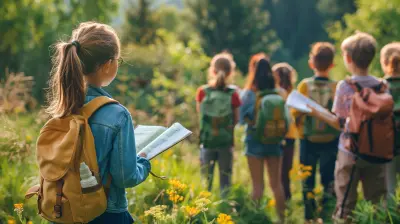
The Role of Field Trips in Environmental Education
21 July 2026
Ever wondered why school field trips felt more exciting than traditional classroom lectures? It's because they offer an immersive, eye-opening experience where learning meets adventure. When it comes to environmental education, field trips play a crucial role in bridging the gap between textbook knowledge and real-world understanding.
Let’s dive into why field trips are the secret ingredient to making environmental education stick—because let's be honest, nothing beats the thrill of learning outside four walls!
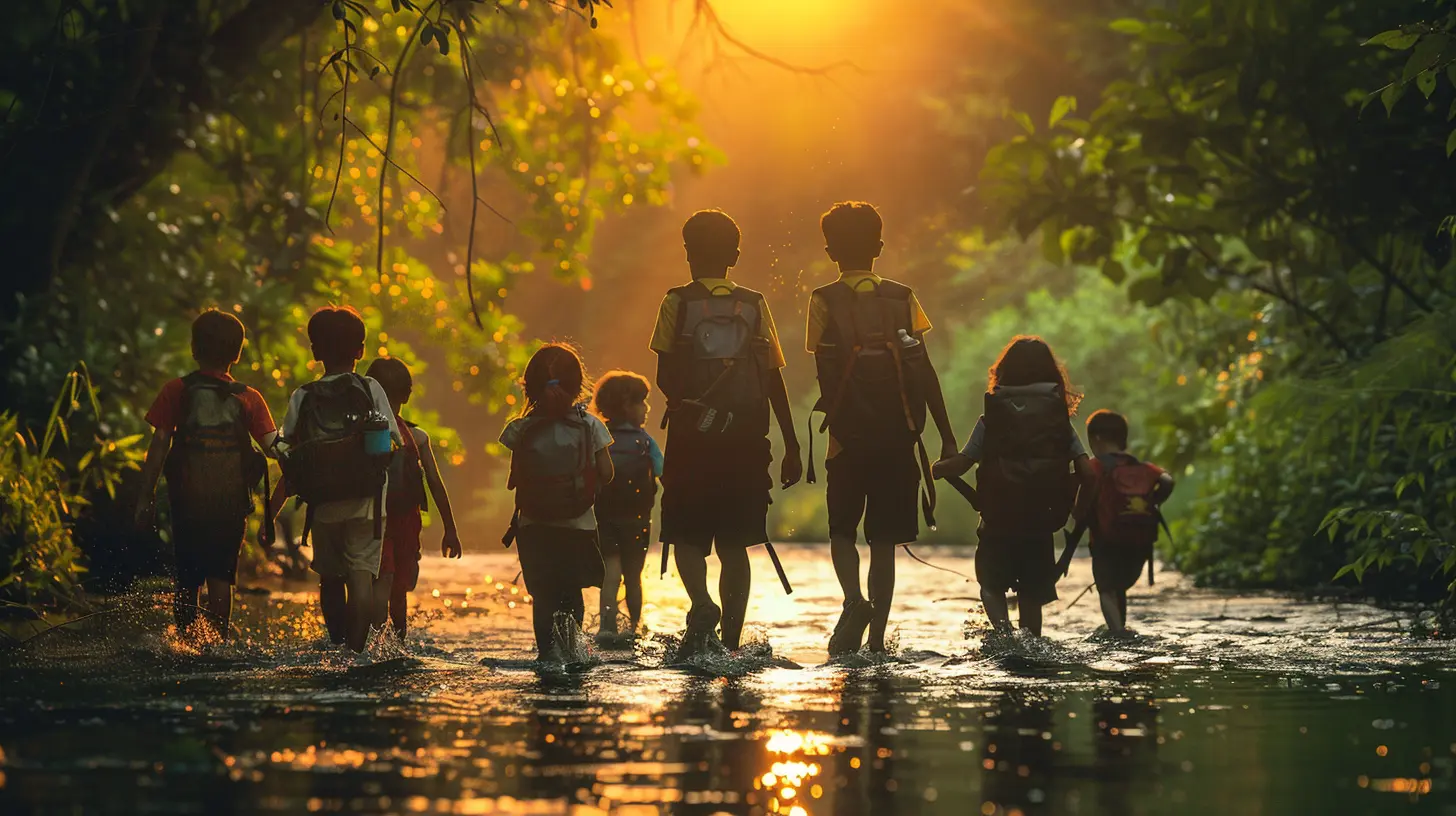
Why Field Trips Matter in Environmental Education
Environmental issues aren't just theoretical—they’re happening right outside our windows. While textbooks provide essential knowledge, they often fail to capture the emotional connection needed for real change. Field trips bring students face-to-face with nature, allowing them to see, feel, and experience environmental concerns firsthand.Imagine learning about deforestation through a PowerPoint versus standing in a partially logged forest. One sparks mild interest; the other leaves a lasting impact. That’s the magic of hands-on learning!
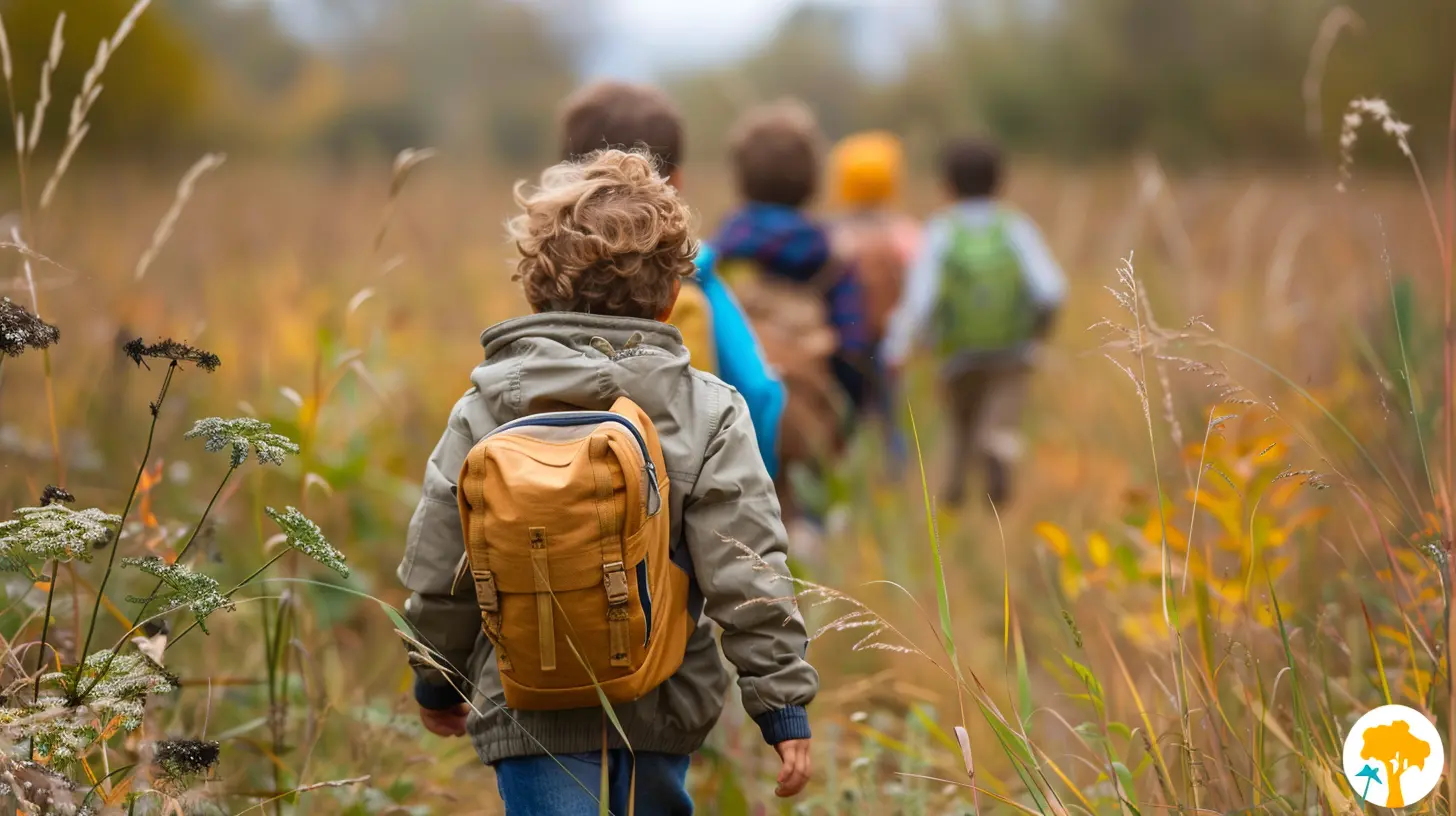
The Benefits of Field Trips for Environmental Education
1. Engages Students Beyond the Classroom
Sitting in a classroom all day can be, well… boring. Field trips break the monotony and make students active participants in their education. Whether it's a visit to a wildlife sanctuary or a beach cleanup, experiencing nature firsthand makes learning feel less like a chore and more like an adventure!2. Strengthens Emotional Connection to Nature
We protect what we care about, right? By immersing students in the environment, field trips nurture a sense of responsibility and appreciation for the planet. A child who watches sea turtles hatch on a beach is far more likely to care about ocean conservation than one who just reads about it in a textbook.3. Enhances Critical Thinking and Problem-Solving Skills
Field trips often involve hands-on activities that require students to think critically. Whether it's testing water quality in a river or identifying native plant species, these experiences encourage problem-solving and curiosity—skills that are harder to develop in a traditional classroom setting.4. Encourages Real-World Application of Knowledge
Who doesn’t love seeing textbook concepts come to life? When students observe an ecosystem in action or witness the effects of pollution firsthand, they begin to connect the dots between theory and reality. Suddenly, environmental science isn’t just another subject—it’s a vital, real-world issue.5. Boosts Retention Through Experiential Learning
Let’s be honest—most of us forget half of what we learn from reading alone. But when we experience something personally, it stays with us. Field trips provide sensory-rich learning experiences, making it easier for students to remember and apply what they’ve learned long after the trip ends.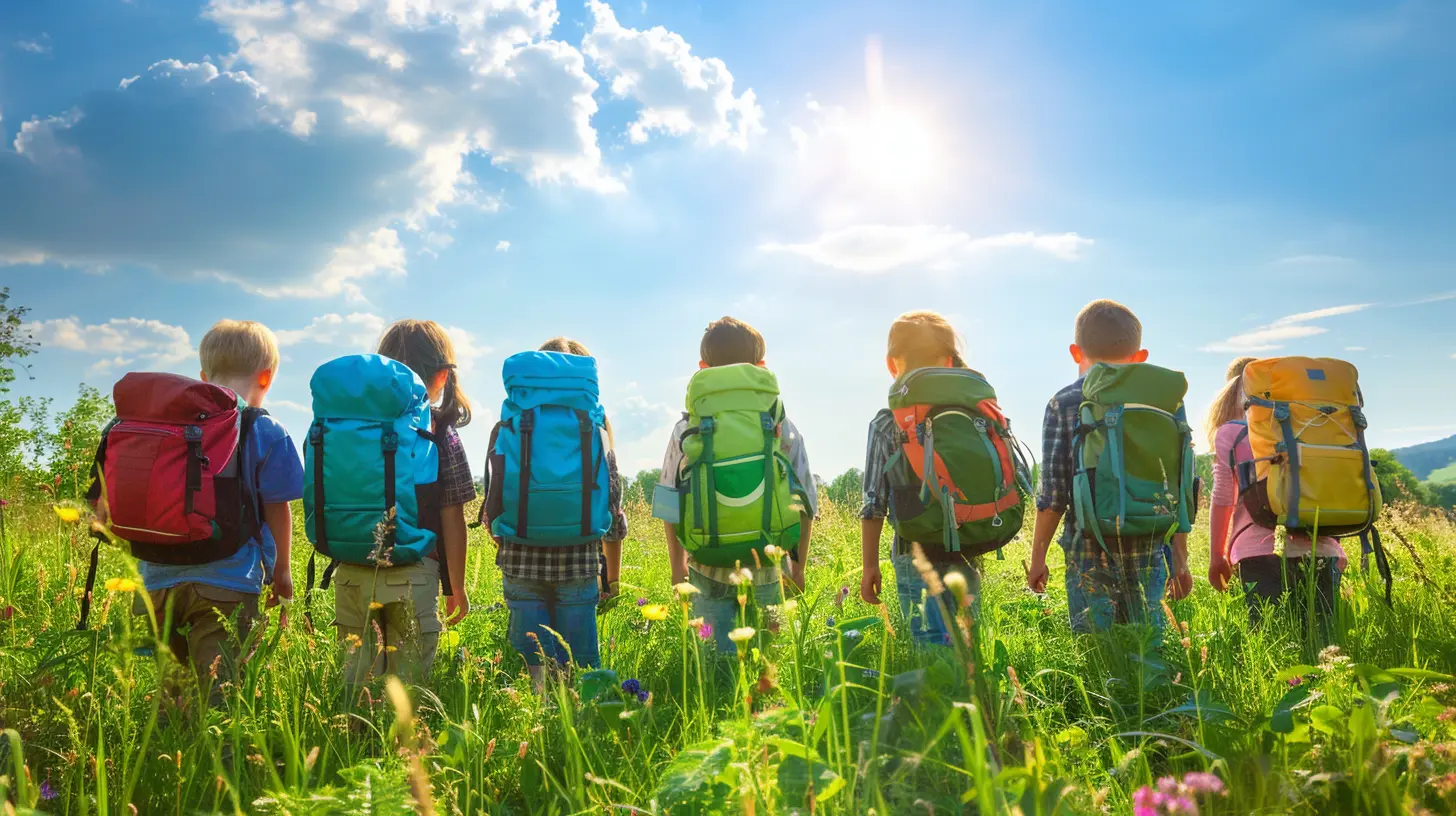
Types of Environmental Education Field Trips
Not all field trips are created equal. The best ones combine learning with hands-on exploration. Here are some fantastic types of environmental field trips that schools should consider:1. National Parks and Nature Reserves
Taking students to a national park exposes them to biodiversity, conservation efforts, and the sheer beauty of the natural world. Guided hikes, wildlife spotting, and interactive lessons make these trips both educational and awe-inspiring.2. Botanical Gardens and Arboretums
Want to teach students about plant life and sustainable gardening? Botanical gardens offer a deep dive into the world of flora, seed preservation, and even the role of pollinators in ecosystems.3. Marine and Coastal Adventures
A day at the beach isn't just about fun in the sun—it’s also an opportunity to learn about marine ecosystems, coastal erosion, and the impact of plastic pollution. Visiting aquariums or participating in beach cleanups can make ocean conservation more tangible for students.4. Wildlife Rehabilitation Centers
Seeing injured or rescued animals up close helps students develop empathy and understand the importance of conservation efforts. These trips are especially impactful when paired with lessons on habitat destruction, illegal wildlife trade, and animal rehabilitation.5. Local Farms and Sustainable Agriculture Sites
Farms aren’t just about food—they're about sustainability, composting, renewable energy, and the impact of agriculture on the environment. Students can learn about organic farming, permaculture, and the importance of reducing food waste through interactive activities.6. Urban Environmental Tours
Environmental education isn’t limited to remote forests and oceans. Cities provide rich learning environments, too! Visits to green buildings, recycling plants, and urban gardens can showcase how sustainability works in everyday life.
Making the Most of Environmental Field Trips
A successful field trip isn’t just about choosing the right location—it’s about preparation, engagement, and reflection. Here’s how to ensure students get the most out of their experience:Before the Trip: Set the Stage
- Give students background knowledge on what they’ll see.- Pose thought-provoking questions to spark curiosity.
- Encourage them to bring journals for observations and reflections.
During the Trip: Stay Engaged
- Promote active participation through discussions and hands-on activities.- Have students interact with experts like park rangers or marine biologists.
- Encourage them to document their experience through photos and notes.
After the Trip: Reflect and Apply
- Have students discuss their key takeaways.- Assign creative projects like presentations, essays, or artwork based on their experiences.
- Encourage students to take action—whether it's participating in a conservation project or reducing waste at home.
The Lifelong Impact of Environmental Field Trips
Let’s be real—field trips aren’t just about one fun day outside the classroom. They plant seeds of curiosity, responsibility, and activism that can last a lifetime. Many environmentalists, scientists, and conservationists trace their passion back to a childhood experience in nature.By making environmental education more immersive, field trips inspire future generations to care for the planet in ways that no lecture ever could. The more students experience the natural world firsthand, the more they’ll fight to protect it. After all, you wouldn’t let your best friend get hurt—so why let the planet suffer?
Final Thoughts
Environmental education without field trips is like learning to swim without water—it just doesn’t work as well. When students step out of the classroom and into the great outdoors, they gain a deeper understanding of ecosystems, conservation, and their own role in protecting the environment.So, the next time you're planning an environmental lesson, ditch the PowerPoint and take students outside. Because learning should be felt, not just memorized.
all images in this post were generated using AI tools
Category:
Environmental EducationAuthor:

Bethany Hudson
Discussion
rate this article
1 comments
Uzi Nguyen
Field trips make learning about the environment memorable and impactful, inspiring a deeper connection to nature.
July 22, 2026 at 4:38 AM
Bethany Hudson
Absolutely, field trips bring lessons to life and foster that vital connection to our natural world. They create experiences that resonate long after the trip ends.