The Role of Play in Learning for All Grade Levels
12 November 2026
Play is often perceived as a simple pastime for children, but its significance in the educational landscape cannot be overstated. From preschoolers to high school students, play serves as a vital component of learning across all grade levels. It nurtures creativity, fosters social skills, and enhances cognitive development. This article delves into the multifaceted role of play in education, offering insights and practical guidance for educators, parents, and policymakers.

The Nature of Play
Understanding what constitutes play is essential. Play is typically characterized by being voluntary, enjoyable, and intrinsically motivated. It can take various forms, including structured games, imaginative role-play, and unstructured exploration. Each type of play offers distinct benefits and serves different developmental needs.Types of Play
1. Structured Play- This involves organized activities with specific rules, such as team sports or board games. Structured play promotes teamwork, strategic thinking, and discipline.
2. Imaginative Play
- Also known as pretend play, this form allows children to create scenarios and take on different roles. It develops creativity, empathy, and problem-solving abilities.
3. Physical Play
- Activities like running, climbing, or dancing fall under this category. Physical play enhances motor skills, coordination, and overall health.
4. Exploratory Play
- This involves discovering the environment, often seen in younger children. It encourages curiosity and cognitive development as children interact with their surroundings.
The Benefits of Play in Learning
Cognitive Development
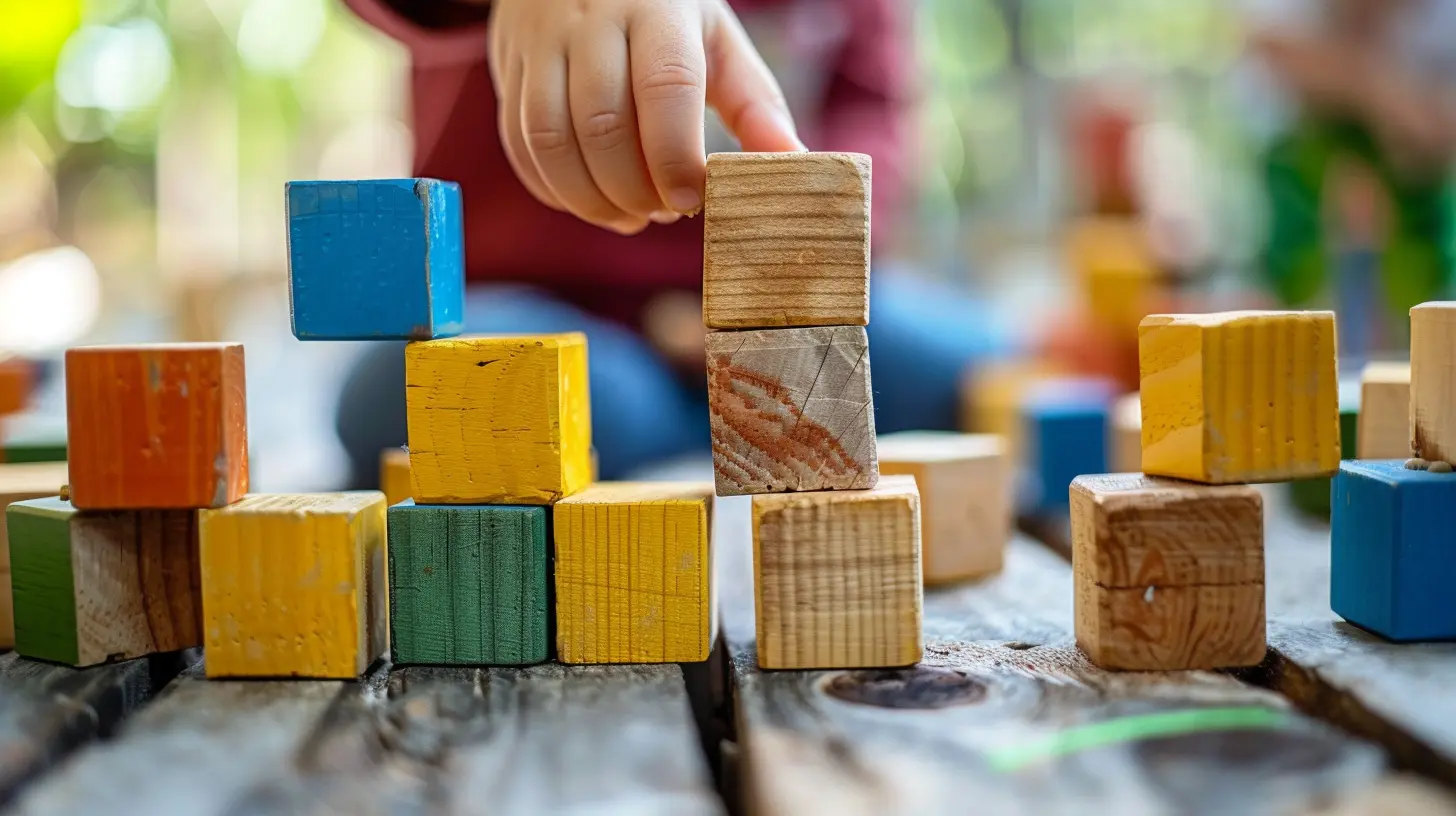
Play significantly contributes to cognitive skills. When children engage in play, they are not just having fun; they are also developing critical thinking and problem-solving abilities. For example, a child building a block tower learns about balance, gravity, and spatial awareness. This hands-on experience is often more impactful than traditional rote learning.Social Skills
Collaboration and communication are essential skills that emerge through play. In a group setting, children must negotiate roles, resolve conflicts, and share resources. These interactions teach them how to work effectively with others and foster a sense of belonging. For instance, a group of students playing a team sport learns about cooperation, competition, and respect for others.Emotional Growth
Play provides children with a safe space to express their feelings and explore their identities. Engaging in role-play can help them understand different perspectives and develop empathy. For example, a child pretending to be a doctor may gain insight into compassion and care for others. This emotional intelligence is crucial for their overall development.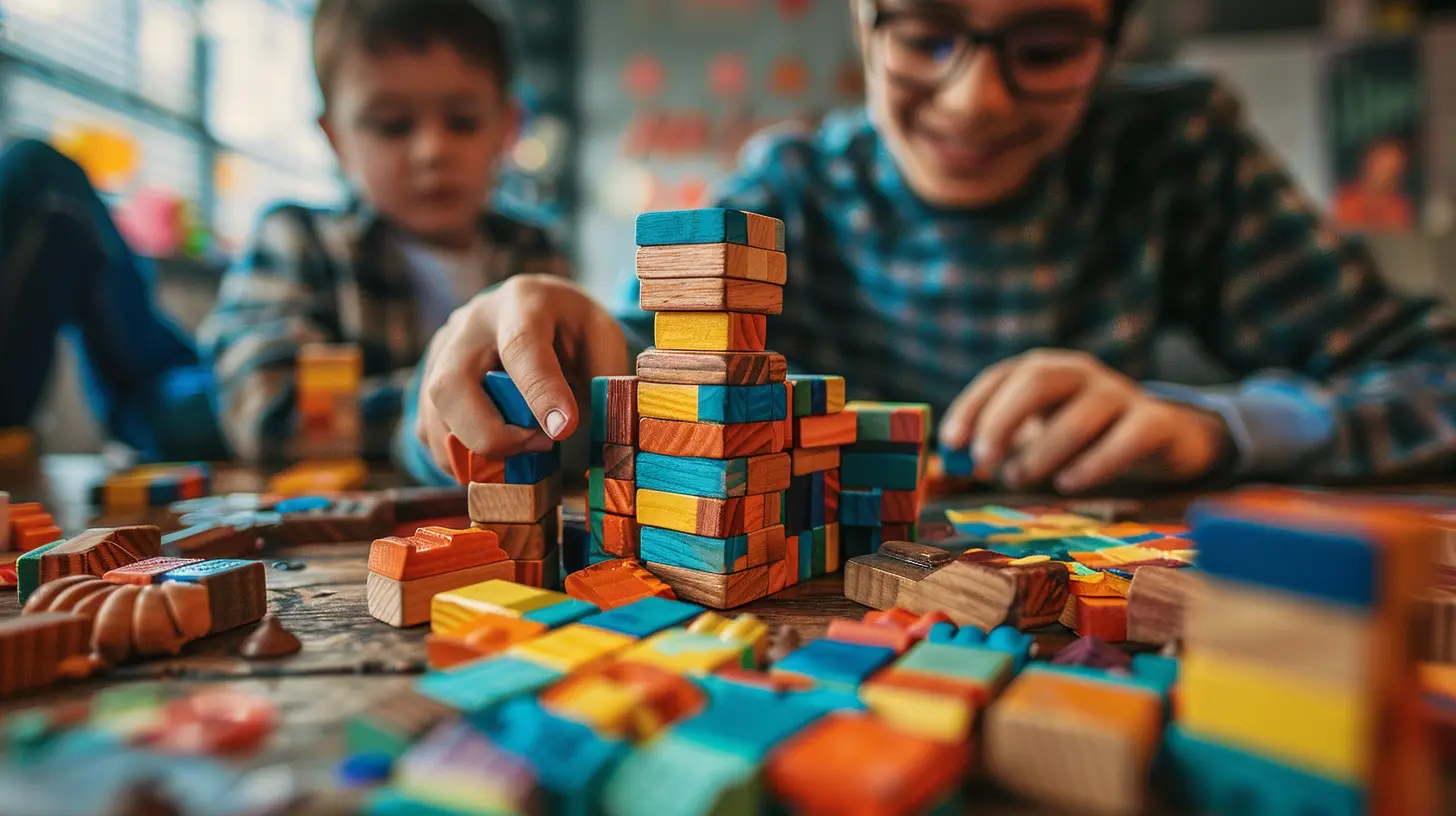
Play Across Grade Levels
Early Childhood Education
In early childhood, play is the primary mode of learning. Activities such as finger painting or building with blocks encourage exploration and creativity. Educators should prioritize play-based learning environments that allow children to choose their activities, thus fostering autonomy.Best Practices:
- Incorporate play into daily routines.
- Provide diverse materials that stimulate creativity.
- Allow for both structured and unstructured play opportunities.
Elementary Education
As children transition to elementary school, the role of play remains vital, though it often becomes more structured. Play can be integrated into subjects like math and language arts. For example, using games to teach math concepts can make learning more engaging.Common Mistakes:
- Overemphasizing academics at the expense of playtime.
- Failing to incorporate play into lessons can lead to disengaged students.
Middle School
In middle school, play may take the form of project-based learning or group activities that encourage collaboration. Teachers can harness the social nature of adolescents through cooperative games or simulations that relate to the curriculum.Considerations:
- Ensure activities are relevant to the students' interests.
- Balance play with academic rigor to maintain engagement.
High School
While high school students may view themselves as too mature for play, incorporating playful elements can still enhance learning. Activities like debates, role-playing historical events, or gamifying lessons can engage students and deepen their understanding.Challenges:
- Overcoming the stigma of play among older students.
- Ensuring that play activities align with educational objectives.
Play and Technology
With the rise of digital technology, play has evolved. Video games and online platforms offer new avenues for engagement. While these can be beneficial, it's crucial to strike a balance between screen time and traditional play.Advantages of Digital Play
1. Interactive Learning- Many educational games provide immediate feedback, allowing students to learn from their mistakes.
2. Global Connectivity
- Online platforms can connect students across the globe, providing opportunities for collaboration and cultural exchange.
Disadvantages of Digital Play
1. Overstimulation- Excessive screen time can lead to reduced attention spans and hinder face-to-face social interactions.
2. Dependency
- Relying too heavily on digital play may detract from traditional play experiences that develop physical and social skills.
Implementing Play in the Classroom
Creating a Play-Friendly Environment
To cultivate an environment conducive to play, educators should consider the following:1. Flexible Spaces
- Classrooms should include areas for both active and quiet play. This may involve movable furniture, open spaces, and resource corners.
2. Time Allocation
- Dedicate specific times for play within the curriculum. This helps students anticipate and value play as part of their learning experience.
3. Incorporating Play into Assessment
- Use play-based assessments to gauge understanding, such as asking students to demonstrate their knowledge through a game or creative project.
Engaging Parents and Community
Educators should also involve parents and the community in promoting play. Workshops and informational sessions can help parents understand the value of play in their children's development. Community resources, such as local parks and recreational programs, can further enhance opportunities for play.
Assessing the Impact of Play
Evaluating the effectiveness of play in learning can be challenging. However, several indicators can provide insight into its benefits:1. Student Engagement
- Observe levels of enthusiasm and participation during play-based activities. Higher engagement often correlates with better learning outcomes.
2. Social Interaction
- Monitor how students interact with one another during play. Increased collaboration can indicate positive social development.
3. Cognitive Gains
- Assess improvements in problem-solving and critical thinking through project-based or game-based evaluations.
Conclusion
The role of play in learning spans all grade levels, enriching the educational experience and contributing to the holistic development of students. By understanding its significance and implementing effective strategies, educators can create engaging learning environments that harness the power of play.When thoughtfully integrated into the curriculum, play not only enhances academic performance but also fosters essential life skills, ensuring that students are well-prepared for the challenges ahead.
all images in this post were generated using AI tools
Category:
EducationAuthor:

Bethany Hudson