The Role of Teachers in Guiding Effective Collaborative Learning
3 September 2026
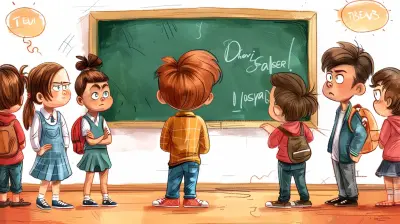
Let’s face it—collaborative learning isn’t just a fancy buzzword tossed around in academic settings. It’s real, it’s powerful, and when guided properly, it can change the way students connect with knowledge and each other. And who's at the heart of it all? You guessed it: teachers.
Whether you're a seasoned educator or just starting your teaching journey, you've probably realized that group work isn't always smooth sailing. Students don’t magically become effective collaborators the moment they're seated in a group. That's where teachers come in—not just to supervise, but to guide, nudge, support, and sometimes even play referee!
In this blog post, we’re going to dive deep into the vital role of teachers in guiding collaborative learning. Expect a conversational, real-world take on what works, what doesn’t, and how educators can shine in this essential role.
Understanding Collaborative Learning (With No Jargon!)
Before we dive into the teacher's role, let's break down what collaborative learning actually means.At its core, collaborative learning is all about students working together to solve problems, complete tasks, or create something meaningful. But here’s the catch—it only works when the focus shifts from “divide and conquer” to “learn and grow together.”
Think of it like a group of musicians jamming together. You wouldn’t want one person playing a solo the whole time while the others just sit back and listen. The magic happens when everyone contributes, listens, and builds off each other’s ideas.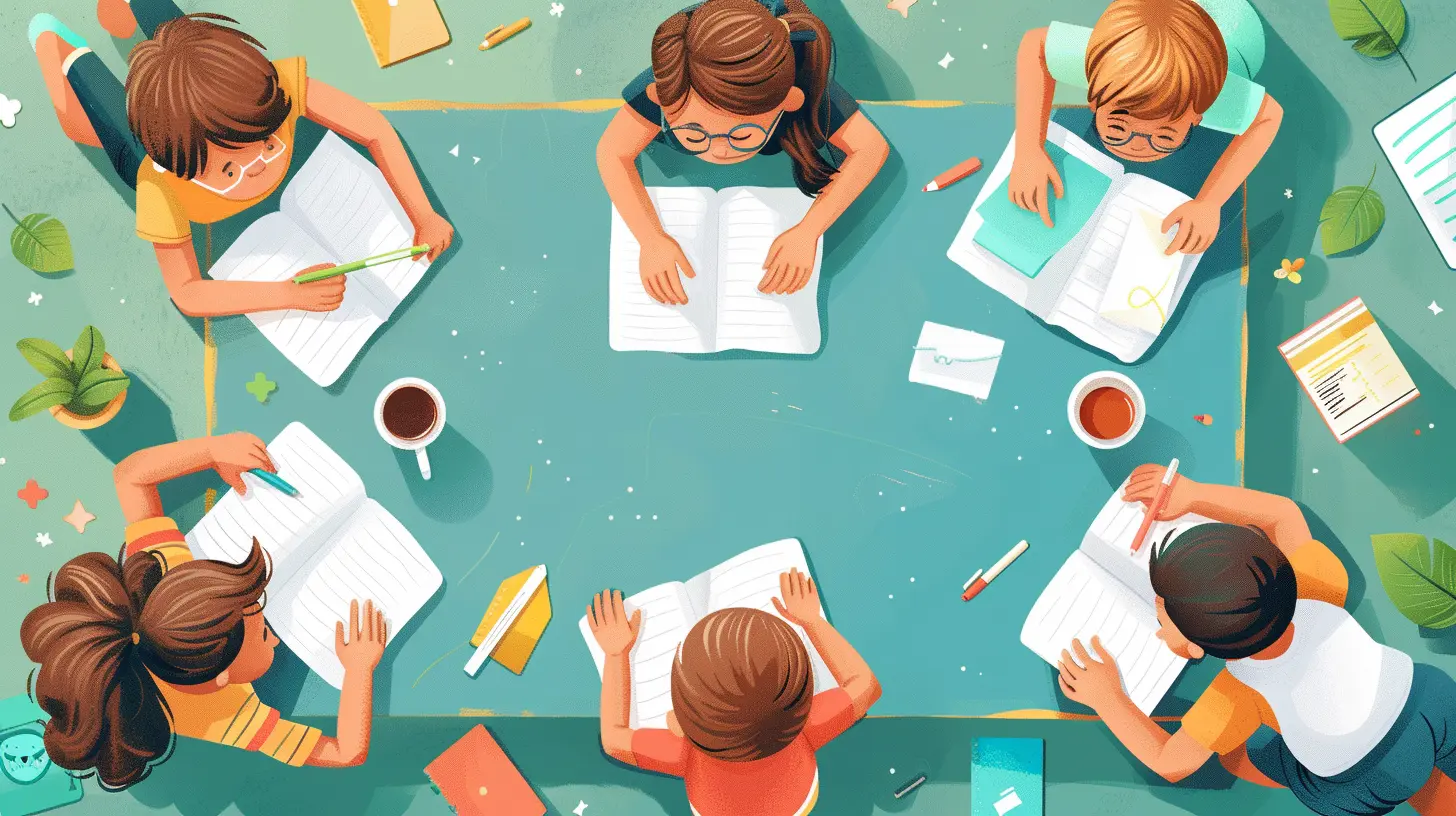
Why Collaborative Learning Matters (Like, Really Matters)
Why should we care so much about collaborative learning? Simple. It teaches students how to work with others—a skill that follows them far beyond the classroom walls.Here’s what makes collaborative learning so powerful:
- ? Deepens understanding through dialogue
- ? Enhances communication and social skills
- ? Prepares students for real-world teamwork
- ? Builds empathy and respect for diverse perspectives
- ? Encourages accountability and active participation
But to get all these juicy benefits, we need one key ingredient: effective guidance.
Teachers: The Silent Architects of Group Success
Imagine collaborative learning as a group hike. The students are the hikers, and the teacher? They're the experienced guide with the map, flashlight, and extra snacks.Without a teacher's guidance, students can easily get lost—off-topic discussions, dominant voices, and disengaged personalities can derail any learning goals. Let's look at how teachers can actively guide this process.
1. Setting the Stage: Laying the Groundwork for Success
Before the students even start working together, teachers have some crucial prep work to do.? Forming Groups Thoughtfully
Throwing kids into random groups might sound easy, but it rarely leads to productive teamwork. Teachers who take the time to mix abilities, personalities, and learning styles see better results.Ask yourself:
- Who needs a confidence boost?
- Who’s a strong communicator?
- Who could learn from whom?
A little planning here goes a long way.
? Establishing Clear Expectations
You can't expect students to be great collaborators if they don’t even know what that looks like. Teachers should outline clear roles, norms, and objectives. Want students to take turns speaking? Say so. Want them to challenge ideas respectfully? Model it.Giving concrete examples turns vague expectations into real guidelines.
2. Fostering a Safe and Supportive Environment
Here’s the truth: collaboration requires vulnerability. Speaking up, sharing ideas, and disagreeing respectfully isn’t easy—especially for kids and teens.That’s where the teacher steps in as a builder of safe spaces.
❤️ Encouraging Psychological Safety
Students need to feel that their ideas matter and that mistakes are a part of learning. Teachers can set this tone through:- Positive reinforcement
- Active listening
- Non-judgmental feedback
A simple “That’s a great thought—who wants to build on it?” goes a long way.
? Promoting Equity in Participation
In every group, there's a risk that one student becomes the leader while others fade into the background. Teachers need to gently guide the group dynamic—encouraging quieter students, rotating roles, and asking deeper questions to include every voice.3. Teaching Collaboration Skills Explicitly
Let’s be honest: "just work together" isn’t really a strategy. Students aren’t born knowing how to collaborate—they need to be shown how.? Direct Instruction on Skills
Teachers can introduce mini-lessons on:- Active listening
- Constructive feedback
- Conflict resolution
- Decision-making in a group
These aren’t just “soft skills”—they're survival tools for collaborative learning.
?️ Using Tools and Protocols
Structured activities like Think-Pair-Share, Jigsaw, or Peer Review Protocols give students a roadmap. These methods provide structure without stifling creativity.And hey, even a simple checklist can do wonders:
- Did everyone speak at least once?
- Did we summarize our ideas?
- Did we decide as a group?
4. Monitoring, Intervening, and Coaching Along the Way
This is where teachers become facilitators rather than instructors.? Active Observation
Instead of jumping in too soon or hovering, skilled teachers observe group interactions. Who’s dominating? Who’s zoning out? What misconceptions are popping up?With this info, they can:
- Nudge the group back on track
- Pose thought-provoking questions
- Offer quiet guidance without taking over
? Timely Interventions (Not Micromanagement!)
Sometimes, groups need a little nudge. A gentle “What’s your strategy for solving this?” or “Have you heard everyone’s opinion?” can refocus the group without derailing their independence.5. Encouraging Reflection and Accountability
Great collaboration doesn’t end when the project does. Teachers can help students reflect on their process to truly internalize those lessons.? Reflection Prompts
- What worked well in your group?- What was challenging?
- How did you handle disagreements?
- What would you do differently next time?
These questions help students grow—in maturity, in empathy, and as learners.
? Assessing Both the Product and the Process
Assessing only the final outcome doesn’t tell the full story. Teachers should also assess:- Participation and effort
- Communication quality
- Problem-solving strategies
Rubrics, peer evaluation forms, and self-assessments can open students’ eyes to the value of the process—not just the end result.
6. Modeling the Behavior They Want to See
This might be the most important one.Students watch their teachers like hawks. If you collaborate with colleagues, show respect in discussions, and admit when you don’t know something—they’ll pick up on that.
Be the role model. Show them what great collaboration looks like.
Challenges Teachers Face (And How to Overcome Them)
Okay, let’s not sugar-coat it. Guiding collaborative learning isn’t all sunshine and high-fives. It comes with real hurdles.? Group Conflicts
When students clash, it can derail the work. Teachers can use these moments to teach conflict resolution and empathy.⏳ Time Constraints
Yes, it takes more time. But the depth of learning is often worth the trade-off. Teachers can start small, with short, structured activities, and build up over time.? Resistance From Students
Some learners prefer working solo. Teachers can gradually ease these students into collaboration with low-stakes assignments and one-on-one encouragement.Final Thoughts: Teachers Are the Glue
At the end of the day, collaborative learning can’t thrive without teachers who are actively engaged—watching, guiding, supporting, and reflecting. They’re not just bystanders; they’re co-pilots in the journey.Teachers help students go from reluctant group members to confident collaborators. And in that transformation, there’s something truly magical.
So if you’re a teacher reading this, just remember: your role matters more than you know.
You’re not just teaching math, science, or literature—you’re teaching how to be a team player, a good listener, a problem-solver. You’re planting the seeds for the kind of human beings we need in this world.
And that? That’s a legacy worth aiming for.
all images in this post were generated using AI tools
Category:
Collaborative LearningAuthor:

Bethany Hudson
Discussion
rate this article
2 comments
Marley Kelly
In the dance of minds, teachers lead with grace, weaving strength in shared ideas. Their gentle touch ignites sparks of curiosity, nurturing a community where voices blend into harmony. Through guidance, they transform chaos into clarity, illuminating paths toward discovery and connection... a symphony of growth.
September 15, 2026 at 5:20 AM
Bethany Hudson
Thank you for your beautiful reflection. It captures the essence of teachers as both guides and nurturers in the collaborative learning journey. I appreciate your insights.
Tyler Larsen
Teachers are vital in fostering collaboration, enhancing teamwork skills, and guiding meaningful learning experiences.
September 11, 2026 at 3:05 AM
Bethany Hudson
I completely agree. Teachers play a crucial role in creating an environment where collaboration thrives and teamwork skills flourish.