The Role of Teachers in Promoting School Safety
16 July 2026
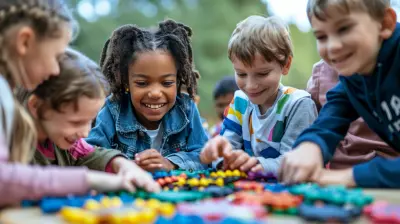
School should be a place where kids feel safe, supported, and ready to learn without fear. But let’s be honest: the world out there isn’t always predictable. From bullying to emergencies, and even the emotional well-being of students, the challenges are real. That’s where teachers step up — not just as educators, but as protectors, mentors, and the first line of defense when it comes to school safety.
In this article, we’ll unpack the vital role teachers play in keeping schools safe, both physically and emotionally. And no, it’s not just about fire drills and locked doors — it goes way deeper than that.
Why School Safety Matters (Big Time)
Think back to your own school days. Remember the comfort of knowing your teacher “had your back”? That sense of security is what allows students to actually learn. According to multiple studies, students perform better academically when they feel physically and emotionally safe. Simple as that.But these days, school safety is more complex. It’s about preventing bullying, spotting early signs of mental health issues, and handling emergencies smartly. And guess who’s right in the middle of all that? Yep — teachers.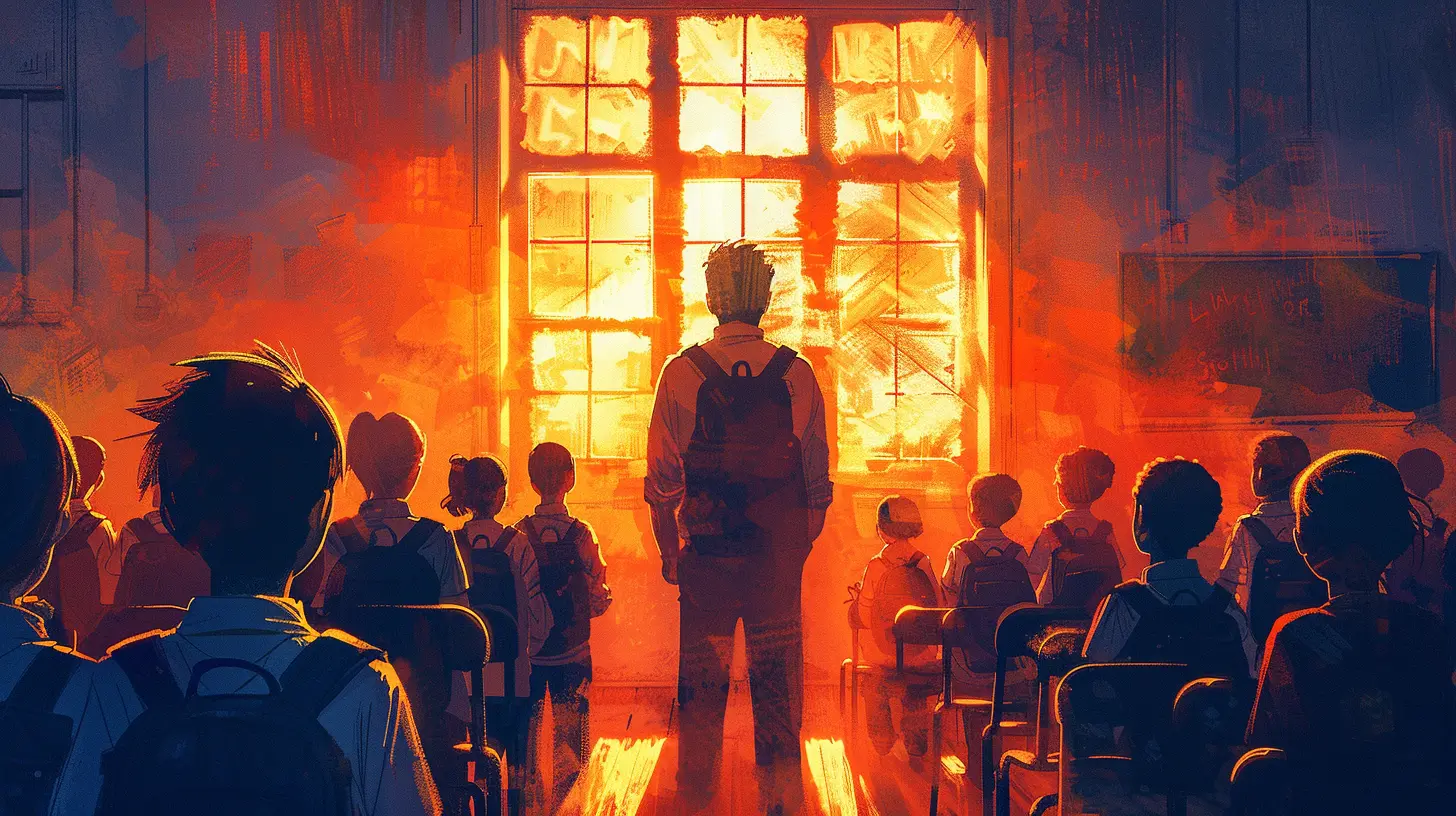
Teachers: More Than Just Lesson Planners
Let’s break the myth right here: teachers don’t just write on whiteboards and grade papers. In today’s schools, they wear a dozen hats. Whether it’s checking up on a student who's been quiet lately or stepping into a heated hallway argument, teachers are constantly navigating the pulse of school life.They are first responders, conflict mediators, and emotional barometers. That’s why staff training and continuous learning around safety protocols is so important. A well-prepared teacher can be the difference between chaos and calm in a crisis.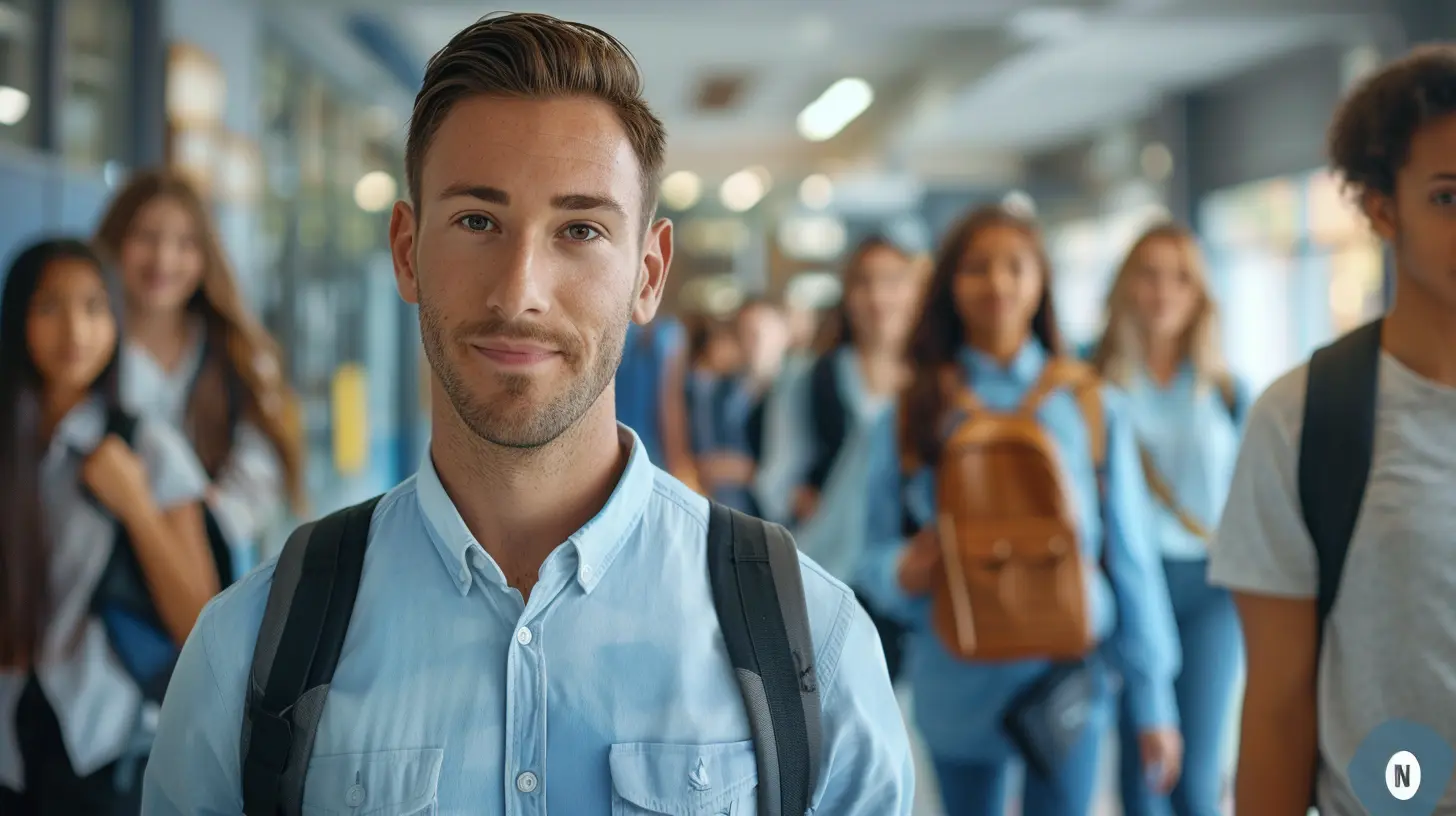
Setting the Tone Through Classroom Culture
You know that feeling when you walk into a room and just feel the mood? Classrooms have that energy too. A teacher’s approach can either create an open, inclusive environment or one where students are afraid to speak up.Here are a few simple — but powerful — ways teachers promote safety through classroom culture:
- Encouraging Open Communication: When students feel heard, they’re more likely to share concerns — whether it’s about bullying or something more serious.
- Modeling Respectful Behavior: Kids mirror adults. When teachers show kindness, fairness, and respect, students pick up on those cues.
- Clear Boundaries & Rules: Structure doesn’t just help learning — it makes kids feel secure. Knowing what’s expected lowers anxiety.
Sounds basic, right? But these small things build a strong foundation.
Teachers as the Eyes and Ears of the School
Let’s face it, teachers are around students more than anyone else during the day. That means they notice things others might miss — subtle mood changes, shifts in friendship groups, or signs of isolation.This gives them a unique opportunity to:
- Spot Early Warning Signs: Anxiety, depression, or even potential violence rarely come out of nowhere. Observant teachers can catch red flags early.
- Prevent Bullying: Whether it's happening online or in the school hallway, teachers often see the effects first-hand.
- Build Trusting Relationships: Students are more likely to open up to someone they know and trust. That bond is often strongest with a favorite teacher.
In short, teachers are like the front-line sensors in a safety system — always tuned in, always alert.
Emergency Preparedness: Teachers in Action
When we talk about emergencies, everyone thinks about fire drills or lockdowns. And yeah, those are crucial. But the way a teacher handles these situations can make a world of difference.Here’s what they do to ensure safety during emergencies:
1. Know the Plan: Most schools have emergency response plans. Teachers are trained to follow and execute these plans quickly and calmly.
2. Keep Students Calm and Focused: Ever watched a teacher during a drill? It's almost like they’re guiding a group of nervous ducklings. Their presence keeps panic at bay.
3. Account for Every Student: Teachers’ roles include making sure no one is missing or left behind during evacuations.
4. Make the Unthinkable Thinkable: With proper training, teachers learn how to handle everything from severe weather to threats. Scary? Yes. Necessary? Absolutely.
It’s not just about ticking boxes on a checklist — it’s about being prepared and making sure students feel taken care of.
Mental and Emotional Safety: The Often-Overlooked Piece
Let’s be real: school safety isn’t just about physical threats. Emotional and psychological well-being matters just as much. And in this department, teachers are invaluable.Here’s how teachers help:
- Providing a Listening Ear: Sometimes students just need someone to talk to. Teachers often become that go-to person.
- Creating a Supportive Environment: Encouraging kindness, empathy, and inclusiveness directly affects school climate.
- Collaborating With Counselors: Teachers play a key role in referring students for mental health support when necessary.
- Teaching SEL (Social-Emotional Learning): More schools are now adding SEL activities into daily lessons — and guess who’s leading those discussions?
So, while school counselors and psychologists are super important, teachers help carry the emotional load every day just by being present and caring.
Promoting Digital Safety in the Virtual World
Let’s not ignore the elephant in the room: a huge chunk of school life now happens online. From homework apps to class group chats, students are constantly plugged in. Unfortunately, so are cyberbullies and predators.Here’s how teachers can promote digital safety:
- Educating on Cyber Etiquette: Teaching kids how to behave online is just as important as teaching grammar.
- Monitoring Online Platforms: Teachers using digital tools like Google Classroom can often spot warning signs in student communication.
- Encouraging Responsible Technology Use: Setting expectations for device usage and internet behavior minimizes risk.
It’s a digital jungle out there — and teachers are helping students swing through it a little safer.
Working as a Team: Teachers + Parents + Admin = Safety Net
Teachers can't do it all alone. The magic happens when everyone is on the same page. That includes:- Parents: A strong line of communication between school and home catches issues early.
- Administrators: They provide policies, training, and support that teachers use to keep students safe.
- Support Staff: Custodians, bus drivers, and food service staff all play roles — and teachers often help coordinate with them.
When a whole school community is connected, it's like building a giant, invisible safety net under every student.
Continuous Training: Because Things Change Fast
Let’s not pretend the world stays the same. New challenges pop up all the time — whether it's vaping trends, tech-based bullying, or mental health crises post-pandemic.That’s why ongoing professional development for teachers is key. Workshops, simulations, and even online courses help teachers stay on top of their game. And more importantly, it keeps them confident, informed, and ready.
Real Talk: The Emotional Toll on Teachers
This wouldn’t be complete without recognizing that playing “guardian” 24/7 isn't easy. Teachers carry a heavy emotional load. They care deeply, often lose sleep over students’ well-being, and face stress that most people don’t see.That’s why supporting teachers’ mental health is just as crucial. After all, you can’t pour from an empty cup, right?
Encouraging teacher wellness programs, giving space for mental health days, and maintaining a supportive work environment isn’t just nice — it’s necessary.
How You (Yes, You!) Can Help
Whether you're a parent, student, or just someone who cares about schools, you can support teachers in this role. Here’s how:- Listen to Them: They often know what’s really going on and what’s needed.
- Respect Their Time: They’re doing a lot — sometimes more than humanly possible.
- Speak Up Together: Advocate for better safety policies and teacher support in your district.
The more we work together, the safer our schools become.
Wrapping It Up: Teachers Are the Heart of School Safety
So, what have we learned? Teachers are so much more than instruction-givers. They set the emotional tone, lead during crises, notice the subtle changes, push for inclusiveness, and literally stand between students and danger when needed.They are the heartbeat of school safety — always watching, always caring, and always protecting. And honestly, where would we be without them?
all images in this post were generated using AI tools
Category:
School SafetyAuthor:

Bethany Hudson
Discussion
rate this article
1 comments
Olive Gill
This article highlights an important aspect of education. Teachers play a crucial role in fostering a safe environment for students. Their proactive measures can create a supportive atmosphere where students feel secure and valued. It's inspiring to see how dedicated educators contribute to overall school safety and student well-being.
July 16, 2026 at 11:19 AM
Bethany Hudson
Thank you for your thoughtful comment. I completely agree that dedicated teachers are key to creating a safe and supportive environment for all students. Their impact truly makes a difference.