The Role of Teachers in the Digital Classroom of Tomorrow
6 November 2026
The landscape of education is evolving rapidly, especially with the integration of technology in the classroom. As we step into a future where digital tools are commonplace, the role of teachers is transforming in ways that present both challenges and opportunities. This article dives deep into the intricacies of this shift, highlighting how educators can adapt, the skills they need to develop, and the impact this digital transformation has on both teaching and learning.
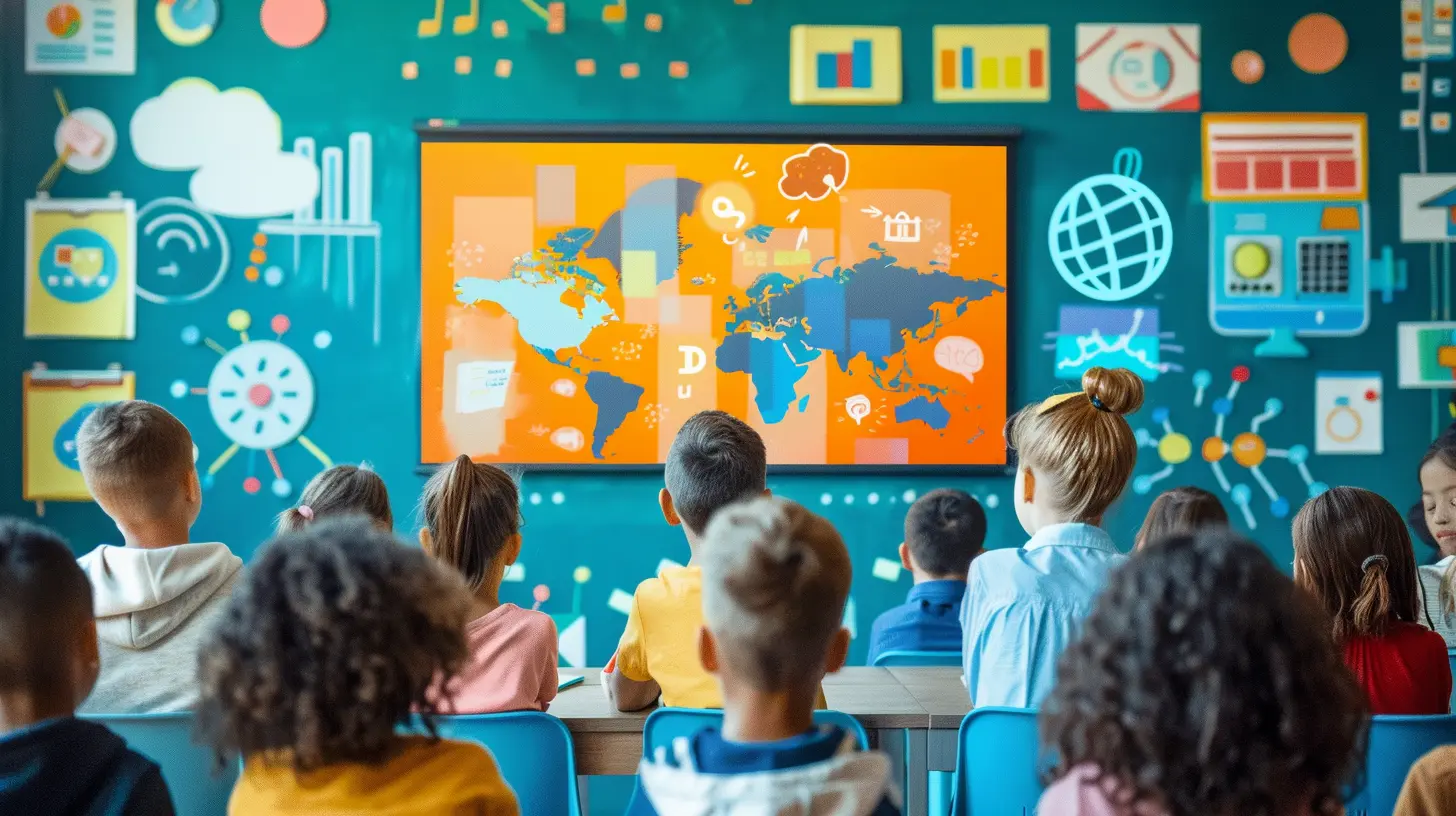
Understanding the Digital Classroom
What is a Digital Classroom?
A digital classroom refers to an educational environment that utilizes technology to facilitate teaching and learning. This may include the use of online learning platforms, multimedia resources, virtual classrooms, and various digital tools to enhance student engagement and understanding. Unlike traditional classrooms, digital classrooms can transcend physical boundaries, allowing for a more flexible approach to education.Key Components of a Digital Classroom
1. Technology Integration: This includes devices like tablets, laptops, and interactive whiteboards, as well as software applications that support learning.2. Online Learning Platforms: Tools like Google Classroom, Moodle, or Canvas that help manage courses and track student progress.
3. Multimedia Resources: Videos, podcasts, and interactive simulations that can enhance comprehension and engagement.
4. Collaborative Tools: Platforms that allow students to work together remotely, fostering a sense of community and teamwork.
Benefits of a Digital Classroom
- Flexibility: Students can learn at their own pace and access materials anytime and anywhere.- Personalization: Technology allows for tailored learning experiences, accommodating different learning styles and needs.
- Engagement: Interactive content can make learning more stimulating and enjoyable.

The Evolving Role of Teachers
From Knowledge Provider to Facilitator
Traditionally, teachers served as the primary source of knowledge in the classroom. In a digital environment, however, their role shifts significantly. Rather than simply delivering content, teachers become facilitators of learning. This means guiding students in their explorations, helping them navigate resources, and encouraging critical thinking.Why This Shift Matters
When teachers adopt a facilitator role, they empower students to take charge of their learning. This approach fosters independence and encourages students to develop problem-solving skills. For instance, a teacher might present a problem and allow students to investigate solutions using digital resources, rather than providing a step-by-step solution on their own.The Importance of Digital Literacy
In today's digital age, teachers must possess a high level of digital literacy. This includes not only the ability to use technology effectively but also to teach students how to evaluate information critically, understand online safety, and navigate digital tools proficiently.Building Digital Literacy Skills
1. Modeling Technology Use: Teachers should demonstrate how to use various digital tools in a meaningful context.2. Integrating Digital Skills into Curriculum: Lessons can incorporate elements of technology, teaching students not just content but also how to utilize digital resources effectively.
3. Encouraging Critical Thinking: Educators can guide students in evaluating sources, emphasizing the importance of credibility in the digital space.

Strategies for Effective Teaching in a Digital Classroom
Embrace Blended Learning
Blended learning combines traditional face-to-face instruction with online learning. This approach allows for a more versatile teaching strategy, accommodating different learning preferences and paces.Implementing Blended Learning
- Flipped Classroom Model: Assign students to study lessons at home via video lectures, then use class time for discussions and hands-on activities.- Rotational Model: Students rotate between online and in-person sessions, allowing for varied instructional methods.
Foster Collaboration and Communication
Digital tools can enhance communication and collaboration among students. Teachers should encourage group projects using platforms like Google Docs, where students can work together in real-time, offering feedback and sharing ideas.Benefits of Collaboration
Collaborative activities not only improve social skills but also prepare students for a workforce that increasingly values teamwork. It teaches them how to communicate effectively in a digital context, a crucial skill in modern job markets.Utilize Data to Inform Instruction
Digital tools often come with analytics capabilities that track student performance. Teachers can use this data to identify areas where students struggle and adjust their teaching strategies accordingly.Practical Application of Data
- Formative Assessments: Regular quizzes and assignments can provide insight into student understanding, allowing for timely interventions.- Personalized Learning Paths: By analyzing data, teachers can customize learning experiences to better suit individual student needs.

Common Misconceptions About Digital Classrooms
Technology Equals Engagement
One common misconception is that simply adding technology to the classroom will automatically engage students. While digital tools can enhance learning, they must be used thoughtfully. Engaging lessons require careful planning and consideration of student needs.All Students Thrive in Online Environments
Not all students perform well in digital settings. Some may require more direct interaction and structured environments. Teachers should be aware of these differences and provide support for students who struggle with online learning.Digital Resources are Always Reliable
Teachers must teach students to critically assess online resources. Misinformation is rampant, and students need guidance on how to determine the credibility of sources. This is an essential skill in navigating the vast amount of information available online.Best Practices for Teachers in the Digital Classroom
Continuous Professional Development
Teachers should engage in ongoing training to stay updated on the latest educational technologies and teaching strategies. This can include workshops, online courses, and professional learning communities.Encourage a Growth Mindset
Promote an environment where both teachers and students view challenges as opportunities for growth. This mindset fosters resilience and adaptability, essential traits in an ever-evolving educational landscape.Build Strong Relationships
Despite the digital format, personal connections remain vital. Teachers should strive to build relationships with their students, understanding their individual needs and backgrounds. This can enhance trust and create a supportive learning environment.
Real-World Examples of Digital Classrooms
Case Study: A Successful Blended Learning Program
A high school in California implemented a blended learning model that significantly improved student engagement and performance. By flipping the classroom, teachers found that students were more prepared for discussions and practical applications during in-person classes.Example of Effective Use of Data
An elementary school used an online assessment tool to track student progress in reading. Teachers analyzed the data to identify struggling readers and implemented targeted interventions, resulting in improved literacy rates across the grade.Challenges and Considerations
Addressing the Digital Divide
Not all students have equal access to technology. Teachers must be aware of this gap and seek ways to provide resources for those in need. Strategies might include lending devices or offering after-school programs with internet access.Managing Screen Time
While digital tools are beneficial, excessive screen time can have negative effects on health and engagement. Teachers should strive for a balanced approach, integrating offline activities and ensuring that screen use is purposeful.Maintaining Engagement
Keeping students engaged in a digital format can be challenging. Incorporating interactive elements, gamification, and varied instructional methods can help sustain interest and motivation.
Conclusion
The role of teachers in the digital classroom of tomorrow is both exciting and complex. As educators adapt to new technologies and methodologies, they must embrace their evolving roles as facilitators and guides. By focusing on digital literacy, fostering collaboration, and leveraging data, teachers can create dynamic learning environments that prepare students for the future. Embracing these changes not only benefits educators but ultimately enriches the educational experience for students, equipping them with the skills they need to thrive in a digital world.
all images in this post were generated using AI tools
Category:
EducationAuthor:

Bethany Hudson