The Role of the Teacher as a Facilitator in Collaborative Learning
16 August 2026
When we think about classrooms, we often picture a teacher at the front, marker in hand, guiding the lesson while students sit quietly taking notes. But let’s flip that script a little. What if students were doing more of the talking, more of the thinking, and the teacher was moving around the room asking questions rather than giving answers? That’s where the role of the teacher as a facilitator in collaborative learning truly shines.
This isn’t just some trendy teaching strategy—it’s a powerful shift in how students learn. And the teacher? They’re still the heartbeat of the classroom. But instead of delivering one-way lectures, they’re guiding the rhythm of learning from the inside out.
So, what does that actually look like? Let’s dive into what it means to be a facilitator in collaborative learning and why it’s transforming classrooms for the better.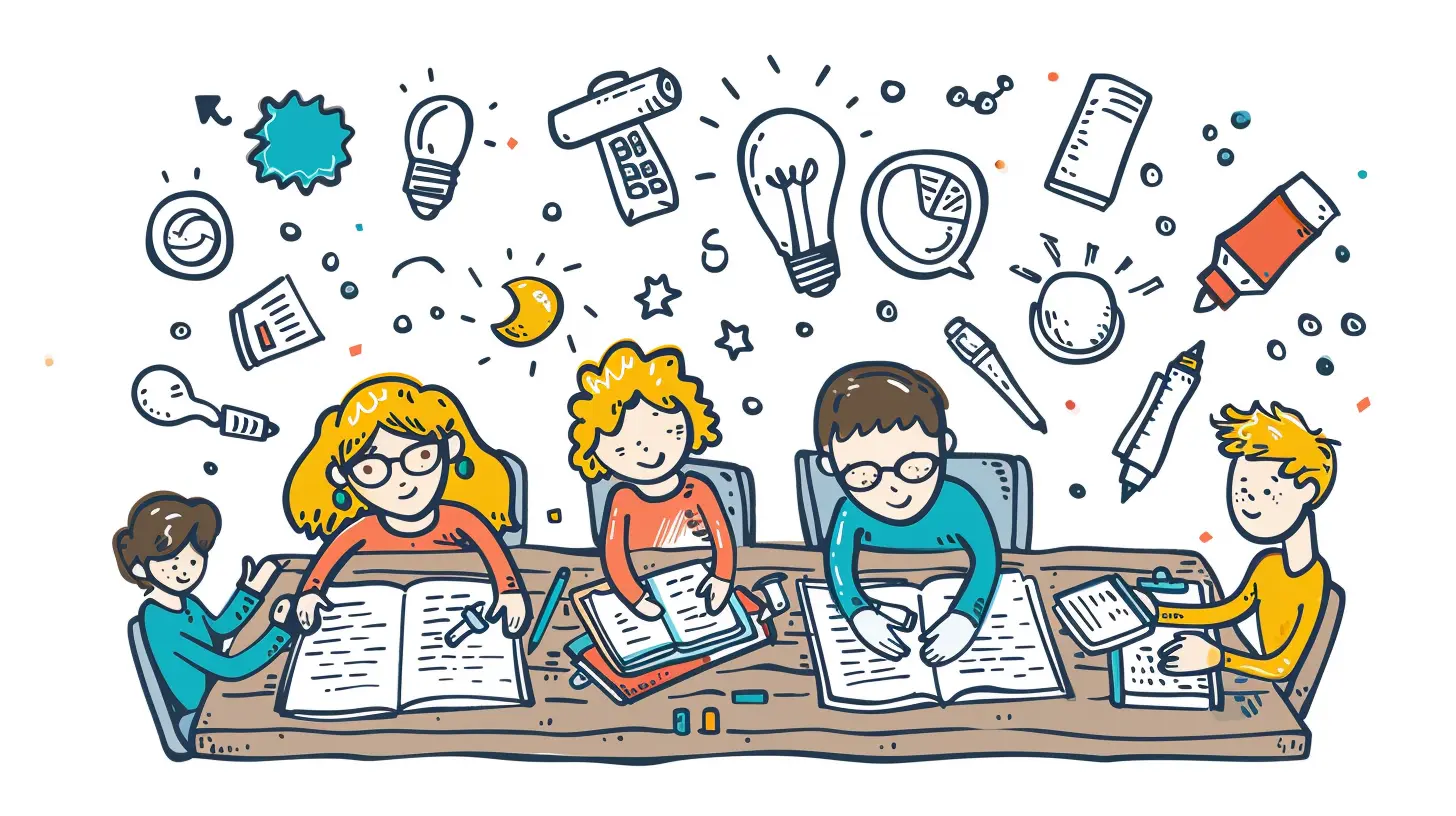
What is Collaborative Learning, Anyway?
Before we talk about the role of a facilitator, let’s hit pause and quickly break down what collaborative learning is.Collaborative learning is all about students working together to solve problems, complete tasks, or understand new concepts. Think small groups, brainstorming sessions, peer feedback, and energetic discussions. Instead of competing, students become teammates, building knowledge together.
It’s active. It’s engaging. And it puts learning right into the hands of the students.
From Sage on the Stage to Guide on the Side
You’ve probably heard this phrase before, but it’s more than just catchy—it perfectly describes the shift in teaching style. Traditional classrooms often position the teacher as the "sage on the stage," the ultimate source of knowledge. In a collaborative learning environment, though, the teacher evolves into the "guide on the side."This doesn’t mean the teacher disappears into the background. Not at all! It means the teacher steps back from constant instruction and steps into a more supportive, strategic role.
They’re still planning lessons (even more thoughtfully, actually), still managing the classroom, and still deeply involved in student outcomes. But they’re doing it in a way that empowers students to be active participants in their own learning journey.
The Teacher’s Role as a Facilitator: A Closer Look
Let’s unpack the specific ways teachers facilitate collaborative learning. It’s more than just grouping students together and hoping for the best.1. Creating a Safe, Open Environment
First and foremost, teachers set the tone. Collaborative learning only works if students feel safe to share ideas, make mistakes, and challenge each other respectfully.A good facilitator builds a classroom community where every student’s voice matters. They foster trust, encourage questions, and model what respectful dialogue looks like.
Without that safe space, true collaboration just can’t happen.
2. Designing Intentional Group Activities
Not all group work equals collaboration. A facilitator carefully designs tasks that require multiple perspectives and shared effort.They think about:
- Group size and composition
- Differentiating roles
- Building in accountability
- Aligning tasks with learning objectives
In short, they set the stage for meaningful interaction—not just busywork.
3. Guiding Without Controlling
Here’s the art of facilitation: stepping in just enough to nudge students in the right direction, but not so much that you steal their thunder.Facilitators:
- Ask open-ended questions
- Encourage deeper thinking
- Clarify misunderstandings
- Offer feedback without giving away answers
It’s a balancing act between support and independence.
4. Encouraging Reflection and Self-Assessment
Collaborative learning isn’t just about working together—it’s also about growing together.Teachers as facilitators help students pause, reflect, and assess both what they’ve learned and how they’ve learned. They might ask:
- What went well in your group?
- What challenges did you face?
- How did you contribute?
This reflection builds self-awareness and prepares students for lifelong collaboration.
5. Adapting and Responding in Real Time
Flexible classrooms are effective classrooms. Great facilitators read the room and pivot when necessary.If a group discussion stalls? They might introduce a new question. If students are off-track? They gently steer things back. They’re always observing, always adjusting.
Why This Matters: The Benefits of Teacher Facilitation
Now you might be wondering… is all this extra effort really worth it? Spoiler alert: absolutely.Here’s what happens when teachers become facilitators:
1. Students Take Ownership
When students feel like their ideas matter, they engage more deeply. They’re not just passive sponges—they’re active contributors. And that’s powerful.2. Real-World Skills Take Root
Collaboration, communication, critical thinking—these aren’t just buzzwords. They’re exactly what employers and communities need today. Facilitating collaborative learning teaches these skills in real time.3. Deeper Understanding Emerges
Explaining a concept to your peers? That’s some next-level learning. Students don’t just memorize—they internalize. They challenge each other’s thinking and build on ideas. That’s where real growth happens.4. Classroom Culture Improves
Let’s be honest—students often thrive in social environments. Working together builds relationships, reduces isolation, and fosters empathy. It turns classrooms into communities.Challenges Teachers Face (And How to Tackle Them)
Let’s keep it real—being a facilitator isn’t always easy. There are hurdles. But knowing them helps us overcome them.1. Losing Control
It can feel chaotic when students are running the show. But remember—it’s structured chaos. The goal isn’t silence, it’s productive noise.Strategy: Set clear norms and expectations early. Encourage respectful dialogue and hold students accountable for personal and group behavior.
2. Uneven Participation
Some students dominate. Others stay quiet.Strategy: Assign different roles within groups (e.g., note-taker, discussion leader, timekeeper). Rotate roles regularly so everyone gets a turn in the spotlight.
3. Assessment Woes
How do you grade group work fairly?Strategy: Use rubrics that include both individual and group performance. Include self and peer assessments to get a fuller picture.
4. Time Management
Collaborative activities often take longer than direct instruction.Strategy: Plan ahead. Break large tasks into manageable parts and give timelines. Build in checkpoints to keep groups on track.
Tips for Becoming a Better Facilitator
Facilitation is a skill—and like any skill, it improves with practice. Here are a few tips to level up:- Listen more than you speak. Let students find their voice.
- Ask questions instead of giving answers. It keeps curiosity alive.
- Celebrate small wins. Recognize collaboration in action.
- Stay curious yourself. Watch what students create when they’re in the driver’s seat.
And most importantly—trust your students. They’re capable of amazing things when given the space to shine.
Real Classroom Examples: Facilitation in Action
Let’s look at a few ways facilitators are transforming classrooms right now.Example 1: Literature Circles
Instead of analyzing a novel together as a class, students form small groups called literature circles. Each student takes on a role (like summarizer or questioner). The teacher roams, listens, and asks clarifying questions—but the rich discussion comes from the students.Example 2: STEM Challenges
Imagine groups of students designing bridges from popsicle sticks. There’s problem-solving, teamwork, trial and error. The teacher provides the materials, a few safety rules, and lets them explore. Later, everyone discusses what worked and why.Example 3: Project-Based Learning
In a history class, students might work in teams to research different aspects of a historical event and present together. The teacher scaffolds research skills, checks in regularly, and facilitates peer feedback. But the final presentation? That’s all them.Final Thoughts: Why This Approach Matters More Than Ever
In today’s rapidly changing world, information is everywhere. Students don’t need teachers to be walking encyclopedias—they need guides, mentors, and facilitators who help them think critically, work together, and apply knowledge in meaningful ways.Being a facilitator doesn’t mean giving up control. It means using your influence to empower. And honestly? There’s nothing more rewarding than seeing your students light up when they realize they can learn, lead, and thrive—together.
So, if you’re a teacher wondering if stepping into a facilitator role is worth the effort—the answer is a loud, enthusiastic “yes.” You’re not stepping back. You’re stepping into something even more impactful.
all images in this post were generated using AI tools
Category:
Collaborative LearningAuthor:

Bethany Hudson
Discussion
rate this article
2 comments
Amber Robinson
This article beautifully highlights how teachers as facilitators can inspire students, fostering collaboration and deeper understanding. A truly transformative approach.
August 19, 2026 at 11:29 AM
Jack McMichael
This article beautifully highlights how teachers can empower students through collaboration. It's inspiring to see the shift towards facilitation in learning, fostering creativity and teamwork. Excited to see this approach grow!
August 17, 2026 at 2:21 AM
Bethany Hudson
Thanks for your thoughtful comment! I'm glad the article resonated with you. Collaboration really can transform the learning experience.