What Student Activism Will Look Like in 2027
17 May 2026
Let me paint you a picture. It's a Tuesday afternoon in the spring of 2027. A student at a university in Ohio pulls out her phone, opens an app, and within minutes, she's connected to 12,000 other students across three continents. They're not planning a walkout. They're running a decentralized campaign to pressure their university's endowment fund into divesting from fossil fuels. No megaphones. No printed flyers. Just a quiet, digital storm that's about to make the board of trustees sweat.
That's student activism in 2027. But how did we get here? And what does it really look like on the ground?
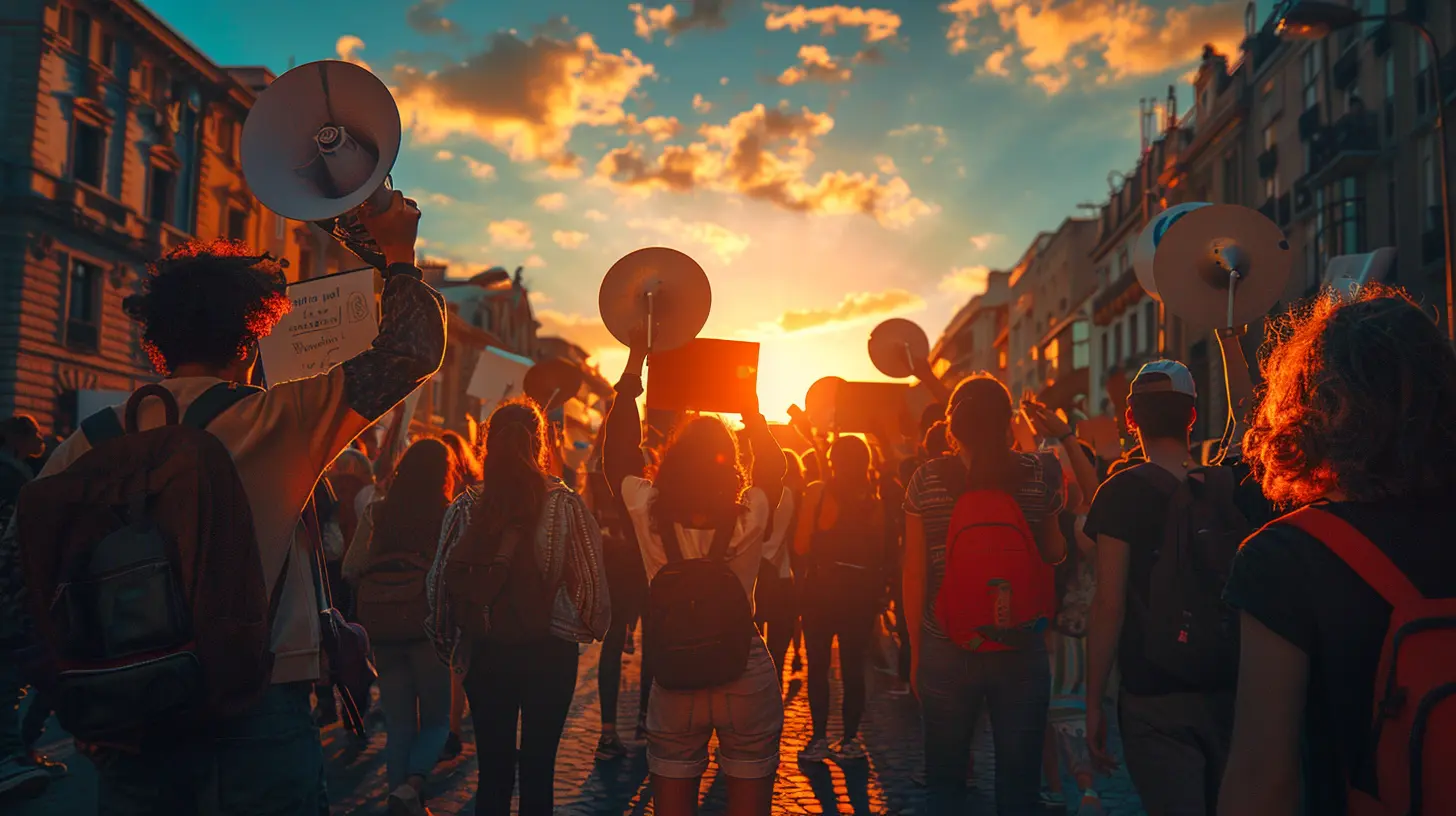
The Death of the Megaphone, The Rise of the Algorithm
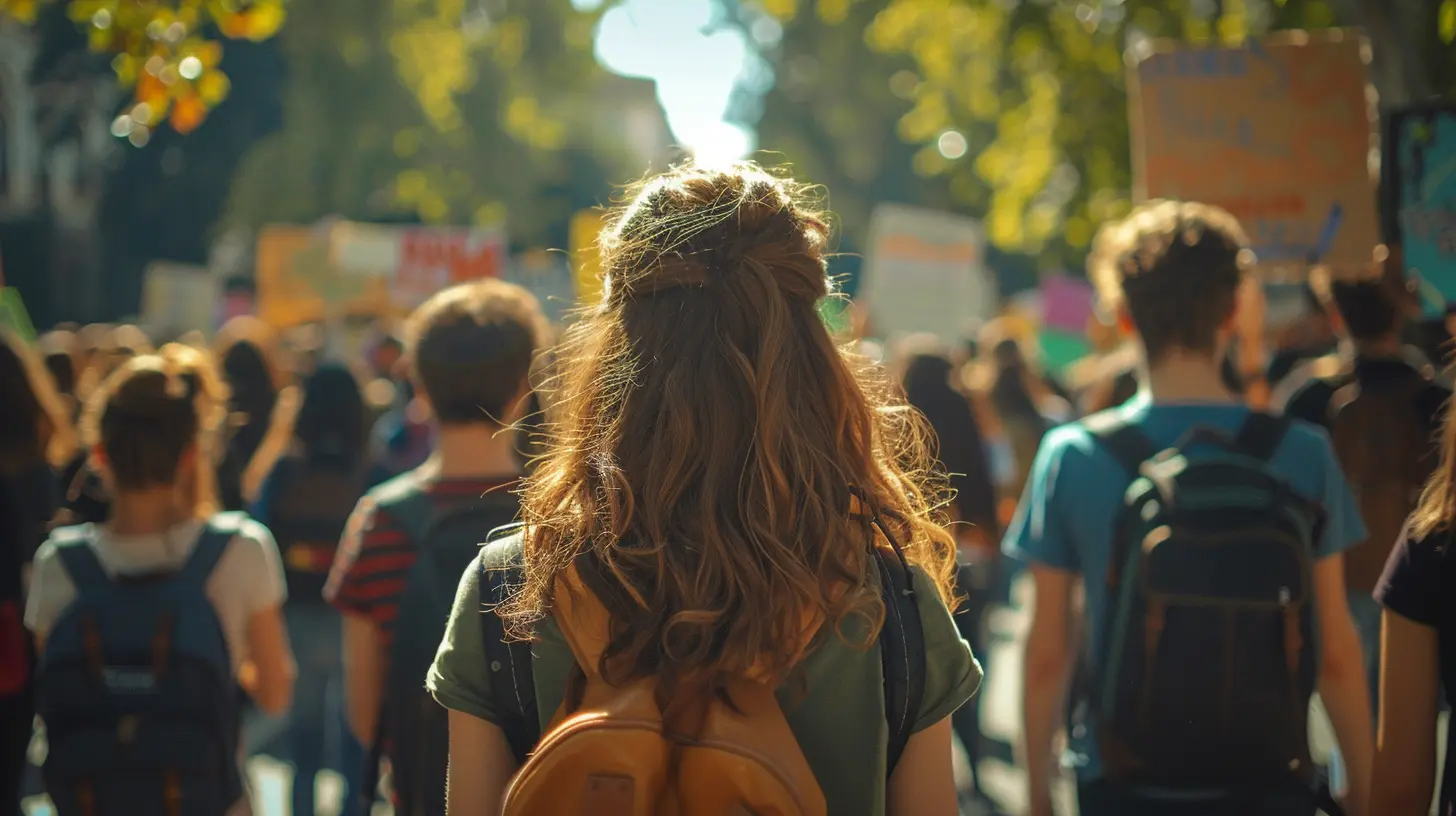
Remember the old image of student activism? A crowd of people in the quad, someone standing on a crate with a bullhorn, waving signs made from pizza boxes. That's not gone entirely, but by 2027, it's almost a nostalgic relic. The real action has moved into the digital infrastructure that students already live inside.Think about it this way: a protest in 2017 was like a campfire. You had to be physically present to feel the heat. A protest in 2027 is more like a mesh network of tiny sparks. Each student is a node, and the collective heat comes from coordination, not congregation.
Students today grew up with smartphones in their hands. They don't see a difference between online and offline life. So their activism reflects that. By 2027, the most effective student movements won't be about the biggest crowd. They'll be about the smartest network. We're talking about students using private, encrypted group chats on apps like Signal or Telegram, not just for planning, but for real-time decision making. They'll use custom-built tools that let them vote on next steps, allocate funds for supplies, and even run their own media channels without relying on traditional news outlets.
Does that sound too techy? Maybe. But here's the thing: students in 2027 are digital natives who are also deeply skeptical of big tech. They know that their data is currency. So they're building their own tools. Open-source platforms that are ad-free, algorithm-free, and owned by the community. It's like they've taken the playbook from the early internet and applied it to political action.
The Hyper-Local Becomes Global
Here's a paradox you'll see a lot in 2027: student activism is becoming both incredibly local and instantly global at the same time.A housing crisis at a single university in California used to be a local issue. Maybe it'd get a story in the student newspaper. But by 2027, that same housing crisis can be livestreamed, analyzed, and replicated by students at universities in Tokyo, Berlin, and Johannesburg within hours. Why? Because the problems are the same everywhere: rising tuition, unaffordable rent, precarious adjunct labor, and administrative bloat.
Students have figured out that they're not fighting isolated battles. They're part of a global wave. So you'll see movements that are hyper-specific to a campus issue but borrow tactics and messaging from similar movements halfway around the world. It's like a global open-source codebase for protest. Someone in Brazil figures out a clever way to pressure a university to divest from arms manufacturing, and within a week, students in the UK are adapting that tactic for their own campuses.
But don't mistake this for a lack of focus. The most effective student activists in 2027 are deeply informed about the specifics of their institution. They know the board members' names, the endowment's investment portfolio, the chancellor's salary, and the university's legal vulnerabilities. They're not just shouting slogans. They're running data-driven campaigns.
The New Tools: From Hashtags to Hard Numbers
Let's talk about the toolkit. In 2025, a lot of student activism still relied on viral hashtags. #DivestNow #TuitionStrike #CancelTheDebt. Hashtags are fine for awareness, but by 2027, students have moved on to something more powerful: data.Imagine a student group that wants to push for a $15 minimum wage for all campus workers. In 2017, they'd hold a rally. In 2027, they've already scraped the university's public financial data, calculated the exact cost of raising wages, modeled the impact on tuition, and presented a counter-proposal to the administration before the first sign is even printed. They're using tools like Python scripts to analyze budget reports and public records. They're building interactive dashboards that show exactly where tuition money goes.
This is a huge shift. Student activists are becoming mini policy analysts. They know that the administration respects data more than passion. So they arm themselves with numbers. It's like bringing a calculator to a knife fight. And it works.
Another tool that's exploded by 2027 is the "digital sit-in." Instead of occupying a building physically, students can occupy a university's digital infrastructure. Think coordinated email campaigns that flood the provost's inbox with thousands of messages, or organized social media pushes that force the university's official accounts to address specific demands. It's less risky than a physical occupation (no police confrontations), but it creates enough noise that administrators can't ignore it.
The Issue Landscape: Climate, Labor, and Tech Ethics
So what are they actually fighting for? By 2027, the big three issues have crystallized.First, climate and divestment is still the bread and butter. But it's evolved. Students aren't just asking universities to stop investing in fossil fuels. They're demanding that universities become active investors in climate solutions. They want the endowment to fund renewable energy startups, green housing projects, and carbon-capture research. It's a shift from "stop doing harm" to "start doing good."
Second, labor rights have taken center stage. And not just for students. The "gig economy" has hit universities hard. Adjunct professors, dining hall workers, janitorial staff, and even graduate teaching assistants are often treated as disposable labor. Student activists in 2027 see solidarity with campus workers as a core part of their mission. They've realized that their own education is built on the backs of underpaid people. So you'll see campaigns that tie tuition freezes to fair wages for all campus employees. It's a coalition-building approach that's proving very effective.
Third, and this is new, is tech ethics. Students in 2027 are acutely aware of how technology shapes their lives. They're pushing back against surveillance tech on campus, like facial recognition in dorms or AI grading systems that they feel are unfair. They're also organizing against the influence of big tech money in university research. If a university takes millions from a company like Meta or Google, students want to know what strings are attached. This is a fight about academic freedom and privacy, and it's only going to get bigger.
The Role of the "Digital Organizer"
Let me introduce you to a new role that's becoming common by 2027: the digital organizer. This isn't someone who just posts on social media. This is a student who runs the backend of a movement. They manage the encrypted communication channels, they coordinate with other campus groups, they handle the data analysis, and they train new members on how to use the tools.Think of them as the stage manager for a play that has no script. They're not the loudest voice, but they're the most essential. These students are often studying computer science, data science, or political science. They're the ones who build the infrastructure that makes everything else possible.
And here's the thing: universities are starting to notice. Some are even offering courses in "digital activism" or "social movement technology." It's a weird irony. The institution you're trying to change is now teaching you how to change it. But that's the world we live in.
The Pushback: Cracks in the System
Of course, it's not all smooth sailing. By 2027, universities have gotten much better at pushing back against student activism. They've hired risk management consultants who specialize in "protest mitigation." They use AI tools to monitor social media for signs of coordinated action. They've updated their conduct codes to include vague language about "disruptive behavior" that can be used to discipline activists.There's also a growing sense of fatigue. Activism is exhausting. It's emotional labor. It's time away from studying, from friends, from sleep. By 2027, a lot of student activists are burning out by their junior year. The movements that survive are the ones that build in rest, that rotate leadership, and that celebrate small wins instead of always chasing the big one.
And then there's the legal landscape. In some states, laws have been passed that make certain forms of protest on public university campuses much harder. Things like requiring permits for any gathering over a certain size, or limiting the use of amplified sound. Students have adapted by moving their actions into the digital realm, but the threat of legal action is always there.
What Doesn't Change: The Human Element
For all the tech and data and algorithms, some things about student activism remain stubbornly human. The late-night meetings in a cramped dorm room, fueled by bad coffee and good ideas. The moment when someone speaks up and says something that makes the whole room go quiet. The feeling of standing with a group of people who believe in the same thing, even if you're not all in the same physical space.In 2027, a student might organize a campaign entirely through an app, but they still need to build trust. They still need to listen. They still need to show up for each other when things get hard. The technology is a tool, not the movement itself.
I think that's the most important thing to remember. Student activism in 2027 will look different on the surface. It'll be faster, more coordinated, more data-driven. But at its core, it's still about a group of young people who look at the world and say, "This isn't right. We can do better." That impulse hasn't changed since the 1960s. It's just found new ways to express itself.
So if you're a student reading this, or someone who works with students, here's my advice: don't get too hung up on the tools. Focus on the relationships. Build a network that can survive a bad day. Learn how to use data to make your case, but never forget that the heart of activism is still a human heart. The rest is just infrastructure.
A Glimpse Into the Future
Let me leave you with one more image. It's 2027, and a student at a large public university has just received a notification on her phone. It's from a group she joined last semester. They've been tracking the university's response to a demand for more mental health services. The data shows that the administration has been stalling. So the group activates a plan.Within 30 minutes, 2,000 students have sent pre-written emails to the dean of students. Another 500 have posted on the university's official social media pages with a coordinated message. A small team has launched a public petition that's gaining signatures rapidly. And in a private channel, a few students are preparing a short, data-rich presentation to be delivered at the next board meeting.
No one is in the street. No one is shouting. But the pressure is real. The dean's phone starts buzzing. The social media team goes into crisis mode. The board starts asking questions.
That's student activism in 2027. It's quieter, but it's louder than ever. It's more strategic, more connected, and more resilient. And it's here to stay.
all images in this post were generated using AI tools
Category:
Student LifeAuthor:

Bethany Hudson
Discussion
rate this article
1 comments
Lucas McKeehan
This article offers a thoughtful glimpse into the future of student activism. It's inspiring to see how passionate voices can shape change. I look forward to witnessing their impact in 2027.
May 24, 2026 at 4:21 AM
Bethany Hudson
Thank you! I'm glad you found it inspiring. The energy of student activism truly brings hope for meaningful change ahead.