Why Mindfulness Will Be Key for Students in 2027
5 May 2026
Let me paint you a picture of a student in 2027. She's sitting in a classroom that might be physical, virtual, or some strange hybrid we haven't even named yet. Her phone buzzes with notifications from three different learning platforms. A group chat is arguing about a project deadline. Her parents just sent a message about tuition. And somewhere in the back of her mind, she's worrying about an AI grading her essay on emotional intelligence.
Sound chaotic? It is. But here's the thing: the chaos isn't going away. It's going to get louder, faster, and more demanding. And the students who survive that chaos won't be the ones who can multitask the best or cram the most facts into their heads. They'll be the ones who can stop, breathe, and actually pay attention to what's happening inside their own minds.
That's why mindfulness isn't just a nice-to-have skill for students in 2027. It's the foundation for everything else.
The Coming Storm: Why 2027 Is Different
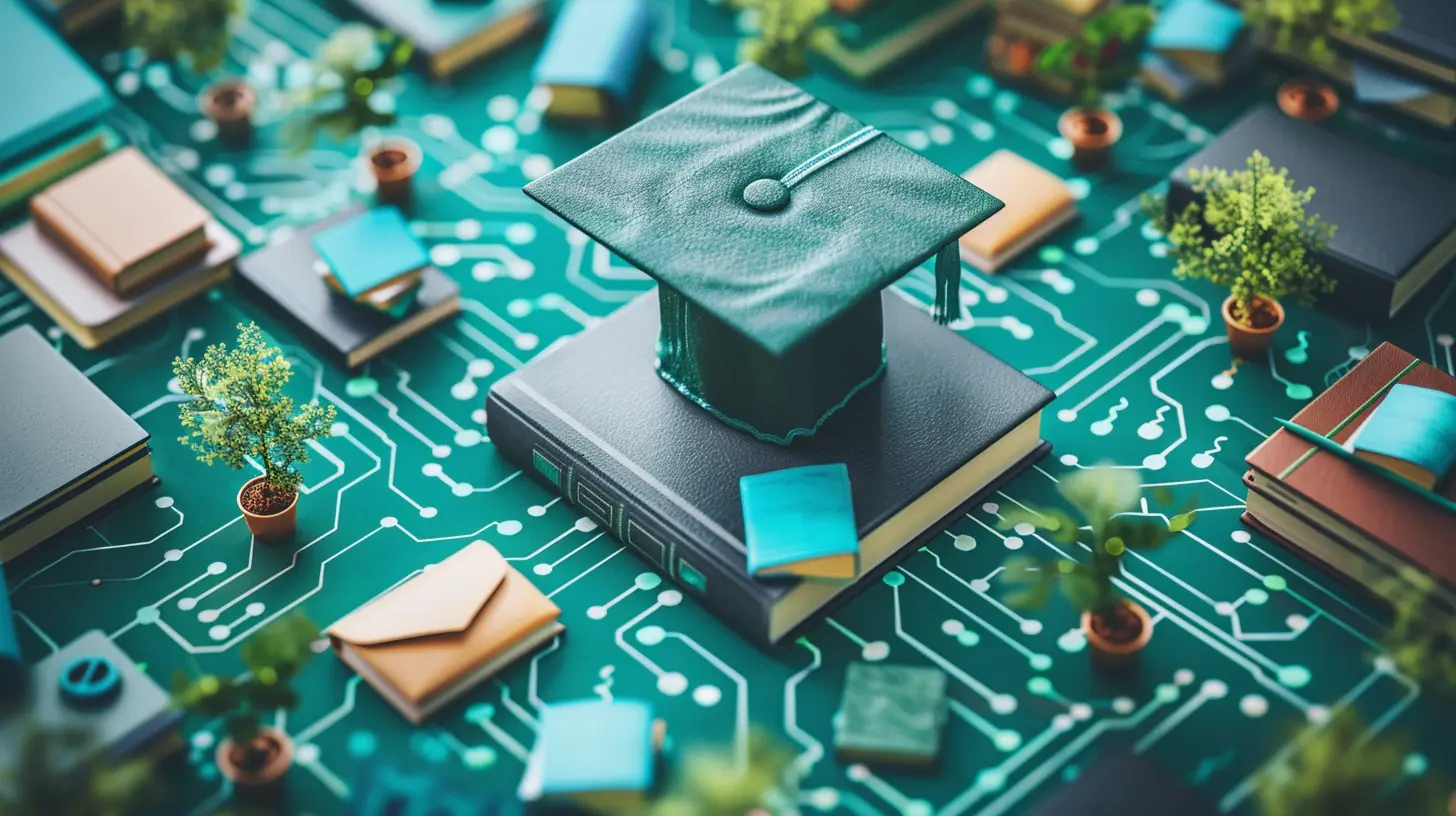
We tend to think of the future as this distant thing, like a movie set that doesn't quite feel real. But 2027 is only a few years away. And the students who will be in high school or college then are already dealing with pressures that would have made previous generations dizzy.Think about what a student in 2027 will face. By then, AI tools won't be novelties anymore. They'll be embedded in every assignment, every study session, every career decision. The line between human effort and machine assistance will be blurry. Employers will ask for skills that didn't exist five years earlier. Social media will have evolved into something even more immersive and addictive. And the constant comparison game will be played on a global scale, 24/7.
Here's a question for you: How does a young person stay grounded in that environment? How do they figure out what they actually think, feel, and want when there's a digital firehose of information blasting them every second?
The answer isn't more technology. It's not a better app or a smarter schedule. It's the ancient practice of turning inward and paying attention to the present moment. It's mindfulness.
What Mindfulness Actually Does to a Student's Brain
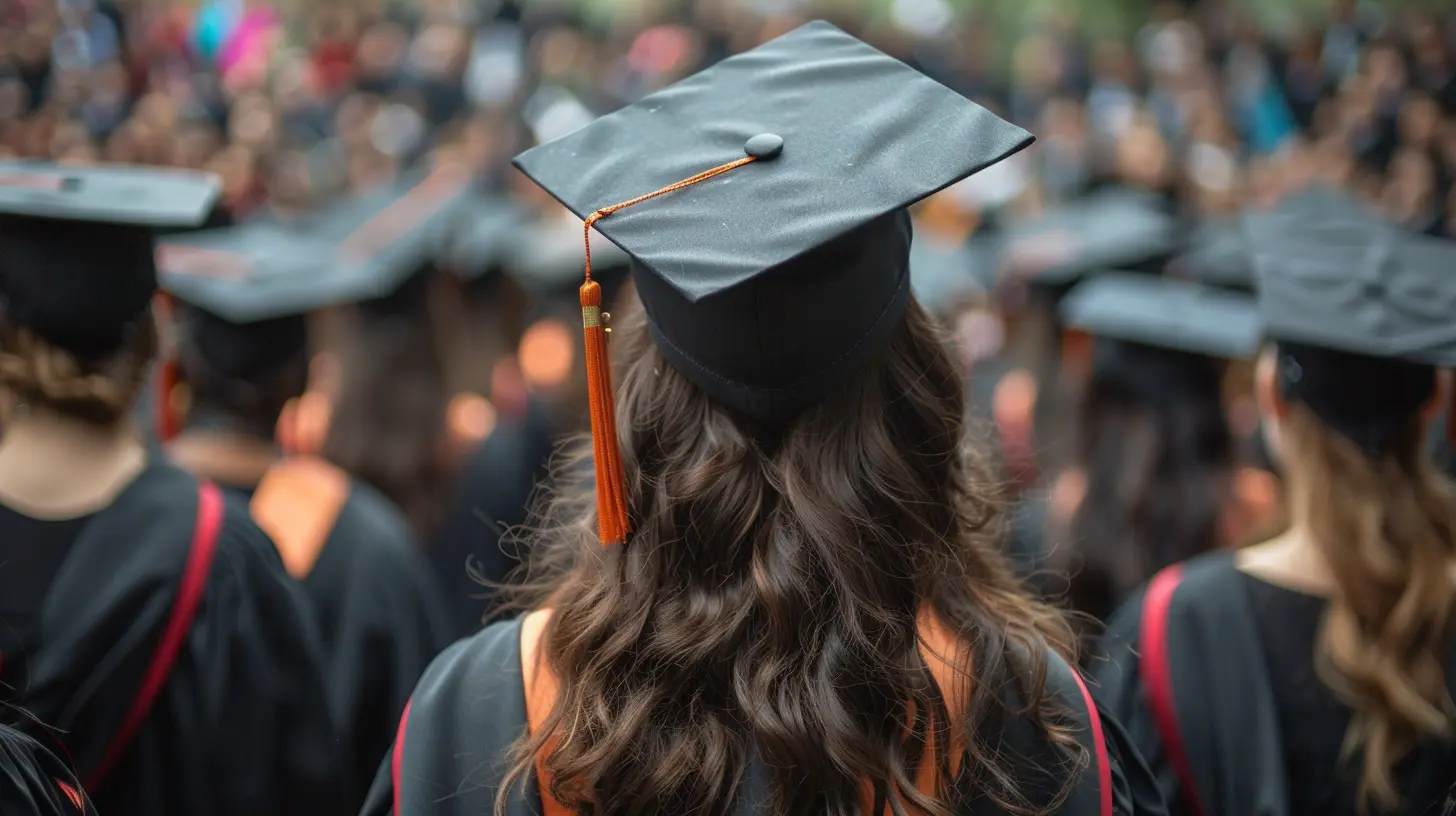
Let's get real for a second. When people hear "mindfulness," they often picture someone sitting cross-legged on a cushion, humming, with a peaceful smile. That's a stereotype. Real mindfulness is messy. It's about noticing that your mind is racing, your shoulders are tense, and you're worried about a test next week. And instead of fighting that, you just observe it.The science behind this is solid. Studies show that regular mindfulness practice changes the brain's structure. It strengthens the prefrontal cortex, which is the part responsible for attention, decision-making, and emotional regulation. It shrinks the amygdala, which is the fear center that screams "panic" when you're stressed. In plain English, mindfulness makes students better at focusing, less reactive to stress, and more capable of making smart choices under pressure.
Now imagine a student in 2027 who has been practicing this for years. When an AI tutor throws a confusing problem at them, they don't spiral into frustration. They notice the frustration, take a breath, and try again. When a social media post makes them feel inadequate, they don't automatically believe the feeling. They see it as a passing cloud. That's not magic. That's training.
Attention Is the New IQ
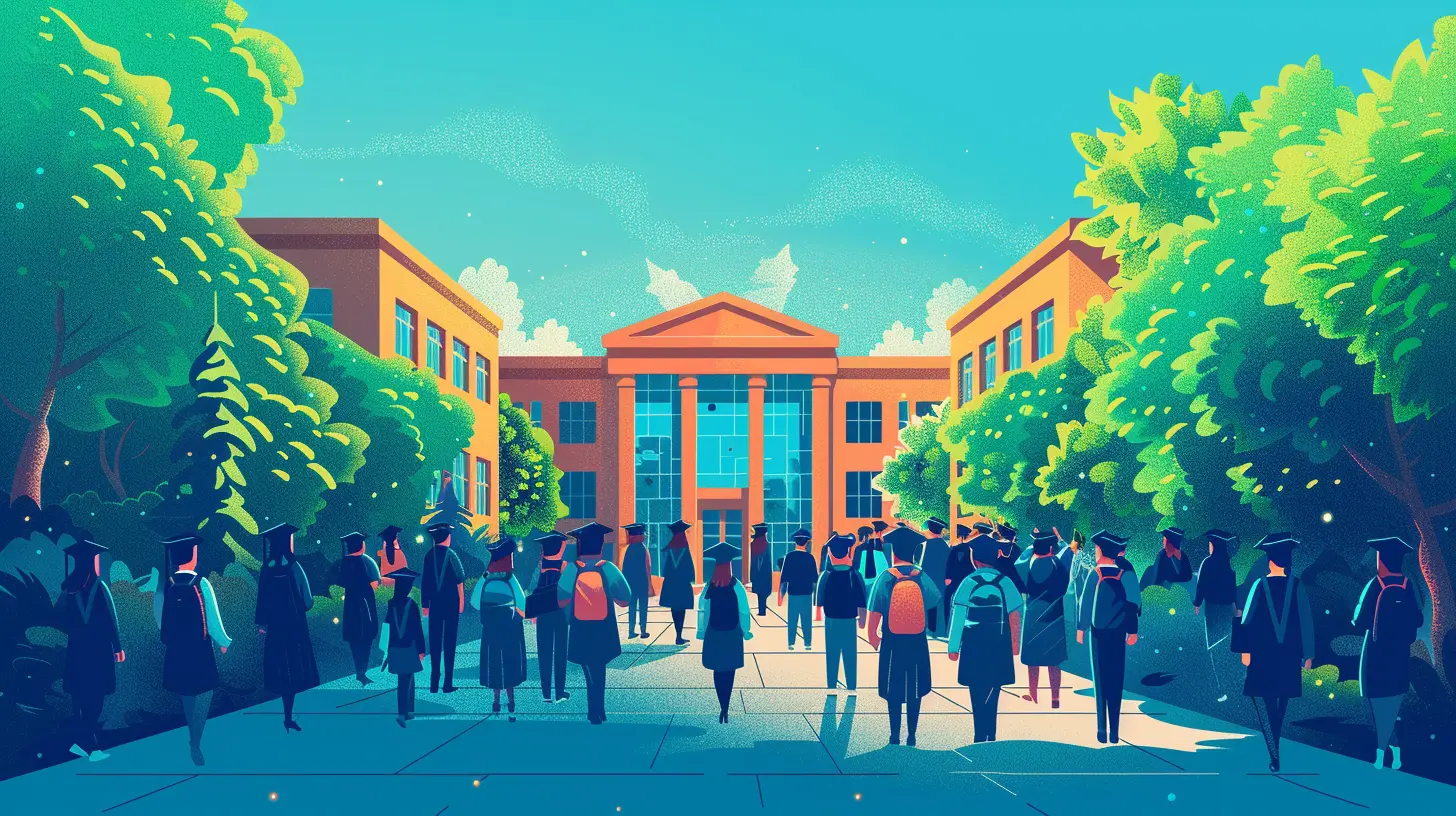
Here's a bold claim: In 2027, the most valuable cognitive skill won't be processing speed or memory. It will be sustained attention. And attention is exactly what mindfulness builds.We live in an economy that profits from distraction. Every app, every notification, every algorithm is designed to pull your focus away from what matters and toward what sells. Students are the primary targets. Their attention is being harvested like a crop. And the result is a generation that feels scattered, anxious, and incapable of deep work.
But here's the irony. The same technology that fragments attention can also be used to train it. By 2027, I expect we'll see mindfulness integrated into school curricula in ways we haven't imagined. Not as a fluffy elective, but as a core skill. Imagine a school day that starts with five minutes of guided breathing. Imagine tests that include a "pause and reflect" section. Imagine teachers who model mindful listening instead of rushing through material.
This isn't utopian. It's practical. Because a student who can't focus can't learn. And a student who can't regulate their emotions can't collaborate. In a world where AI handles the routine mental tasks, human attention becomes the rarest resource.
The Emotional Resilience Factor
Let me tell you a story. I once worked with a college student who was brilliant on paper. Top grades, impressive resume, glowing recommendations. But inside, she was a wreck. Every minor setback felt like a catastrophe. A B+ on a paper would send her into a spiral of self-doubt. She would lie awake at night replaying conversations, wondering if she said the wrong thing.That student is not unusual. In fact, she's becoming the norm. The pressure on students today is immense, and it's only going to intensify by 2027. Climate anxiety, economic uncertainty, social media comparison, family expectations, and the constant fear of being left behind. It's a recipe for burnout.
Mindfulness doesn't make those pressures disappear. But it changes the relationship to them. Instead of being tossed around by every emotional wave, a mindful student learns to surf. They see anxiety as a signal, not a sentence. They recognize that a bad grade doesn't define their worth. They understand that discomfort is temporary and survivable.
This emotional resilience will be the difference between thriving and just surviving in 2027. The students who can bounce back from failure, who can sit with uncertainty, who can ask for help without shame -- those are the ones who will lead.
Mindfulness and the Art of Deep Learning
Here's something we don't talk about enough: real learning is uncomfortable. It requires sitting with confusion, tolerating not knowing, and wrestling with difficult ideas. That's the opposite of what modern life encourages. Modern life encourages quick answers, instant gratification, and surface-level understanding.But deep learning demands patience. It demands that you stay with a problem long enough to see it from different angles. It demands that you resist the urge to check your phone or switch tabs. And that's exactly what mindfulness trains.
When a student practices mindfulness, they're essentially practicing the skill of staying present with difficulty. They learn to observe their own mental habits -- the urge to give up, the desire for distraction, the fear of being wrong. And they learn to choose a different response. Instead of running away from a hard math problem, they lean in. Instead of skimming a dense text, they slow down.
By 2027, the ability to engage in deep, sustained learning will be rare and valuable. AI can generate answers, but it can't generate the struggle that leads to real understanding. That struggle is human. And mindfulness makes it bearable, even rewarding.
How Mindfulness Changes the Social Landscape
Students don't exist in isolation. They're part of a complex social ecosystem. And in 2027, that ecosystem will be more digital, more global, and more intense. Friendships will be maintained across time zones. Group projects will involve people from different cultures. Online conflicts will escalate in seconds.Mindfulness helps here too. When you're mindful, you're better at listening. You're less reactive. You can pause before you send that angry message. You can empathize with someone who sees the world differently. You can navigate disagreements without destroying relationships.
Think about the student who can sit in a heated group discussion, notice their own defensiveness rising, take a breath, and say "I see your point. Let me think about that." That student is a leader. That student builds trust. That student creates the kind of environment where real collaboration happens.
In a world that's increasingly polarized and fragmented, the ability to connect authentically with others is a superpower. And mindfulness is the training ground for that connection.
Practical Steps: What Mindfulness Looks Like for Students in 2027
Alright, let's get concrete. What does it actually mean for a student to be mindful in 2027? It's not about sitting on a cushion for an hour every day. That's unrealistic for most people. Instead, it's about weaving small practices into the fabric of daily life.Here are a few examples:
The One-Minute Reset. Before starting a study session, the student takes one minute to breathe and notice how they're feeling. That's it. One minute. It sets the tone for focused work.
The Notification Pause. When a notification pops up, the student doesn't immediately react. They take a breath, decide whether to engage, and then act deliberately. This breaks the cycle of compulsive checking.
The Walking Reflection. Between classes or during a break, the student goes for a short walk without headphones. They pay attention to the sensation of walking, the air on their skin, the sounds around them. This resets the nervous system.
The Gratitude Note. At the end of the day, the student writes down one thing they appreciated. It could be a kind word from a friend, a moment of laughter, or simply the fact that they made it through. This trains the brain to notice positive experiences.
The Difficult Conversation Prep. Before a challenging conversation, the student takes a few deep breaths and sets an intention. "I want to understand their perspective." This reduces reactivity and increases clarity.
These aren't complicated. They don't require expensive apps or special equipment. They just require a decision to pay attention. And over time, they transform the way a student experiences their own life.
The Objection: "I Don't Have Time for That"
I hear this a lot. Students are busy. They're juggling classes, extracurriculars, part-time jobs, family obligations, and social lives. Adding "mindfulness practice" to the list feels like just another chore.But here's the thing: mindfulness isn't something you add to your to-do list. It's a way of doing everything else. It's the quality of attention you bring to each task. You can be mindful while washing dishes, while walking to class, while listening to a lecture. It's not about carving out extra time. It's about using the time you already have more wisely.
And here's the paradox: practicing mindfulness actually saves time. When you're focused, you work faster. When you're less reactive, you avoid drama. When you're emotionally regulated, you don't waste hours spiraling into anxiety. The investment pays for itself.
By 2027, I believe students will look at mindfulness the way we look at exercise or sleep. Not as optional extras, but as non-negotiable foundations for performance and well-being.
The Bigger Picture: Why This Matters Beyond School
Let's zoom out for a moment. School is a microcosm of life. The habits you develop as a student don't disappear when you graduate. They follow you into your career, your relationships, your health.A student who learns mindfulness in 2027 isn't just preparing for exams. They're preparing for a lifetime of challenges. They're building the internal infrastructure to handle whatever the future throws at them. And let's be honest, the future is going to throw a lot.
We don't know exactly what the world will look like in 2030 or 2040. But we know it will be fast, complex, and demanding. The ability to stay grounded, to think clearly under pressure, to connect with others, and to find meaning in the midst of chaos -- these will never go out of style.
Mindfulness is not a trend. It's not a quick fix. It's a skill that has been tested for thousands of years. And it's becoming more relevant, not less, as technology accelerates.
A Final Thought
I started this article with a picture of a student in 2027. Let me end with another one. This student has just finished a long day. She's tired, but not burned out. She has a deadline tomorrow, but she's not panicking. She checks her phone, sees a notification that would have once sent her into a spiral, and she simply breathes. She closes the app. She turns her attention to the book in front of her.That's not a fantasy. That's a skill. And it's available to anyone who's willing to practice.
So here's my question for you: If you're a student reading this, what's one small thing you can do today to start building that skill? If you're a parent or teacher, how can you create space for mindfulness in the lives of the young people you care about?
The year 2027 is coming. And the students who will thrive are the ones who know how to be present. Not because the world will be calm, but because they will be.
all images in this post were generated using AI tools
Category:
Student LifeAuthor:

Bethany Hudson
Discussion
rate this article
2 comments
Zoey Frye
What a wonderful article! Mindfulness is such a powerful tool for students. As we look ahead to 2027, it's exciting to think about how these practices can help improve focus, reduce stress, and foster a positive learning environment. Let's embrace mindfulness and watch our students thrive!
August 7, 2026 at 2:20 AM
Bethany Hudson
Thanks for your enthusiasm! I'm glad you see the potential of mindfulness in education. Here's to a brighter future for our students.
Kenna Ellison
This article highlights the importance of mindfulness for students. As education evolves, incorporating mindfulness practices can enhance focus and emotional resilience, preparing students to face future challenges with confidence and clarity.
May 5, 2026 at 12:49 PM
Bethany Hudson
Thank you for your insight! Mindfulness truly is vital for equipping students with the tools they need for success in an evolving educational landscape.