Addressing Racial and Cultural Bias in School Safety Policies
27 September 2026
Let’s get honest for a second. Our schools—places meant to inspire, protect, and uplift students—sometimes miss the mark. Especially when it comes to fairness and equality. One of the biggest elephants in the educational room? Racial and cultural bias in school safety policies. It’s not the most comfortable thing to talk about, but it’s definitely one of the most important.
Too often, what’s meant to keep students safe ends up harming some more than others. From disproportionate discipline to over-policing, students of color, particularly Black, Latino, and Indigenous youth, bear the brunt of "safety" efforts that come with unintended (but very real) consequences.
So, what can we do about it? Well, let’s break it all down.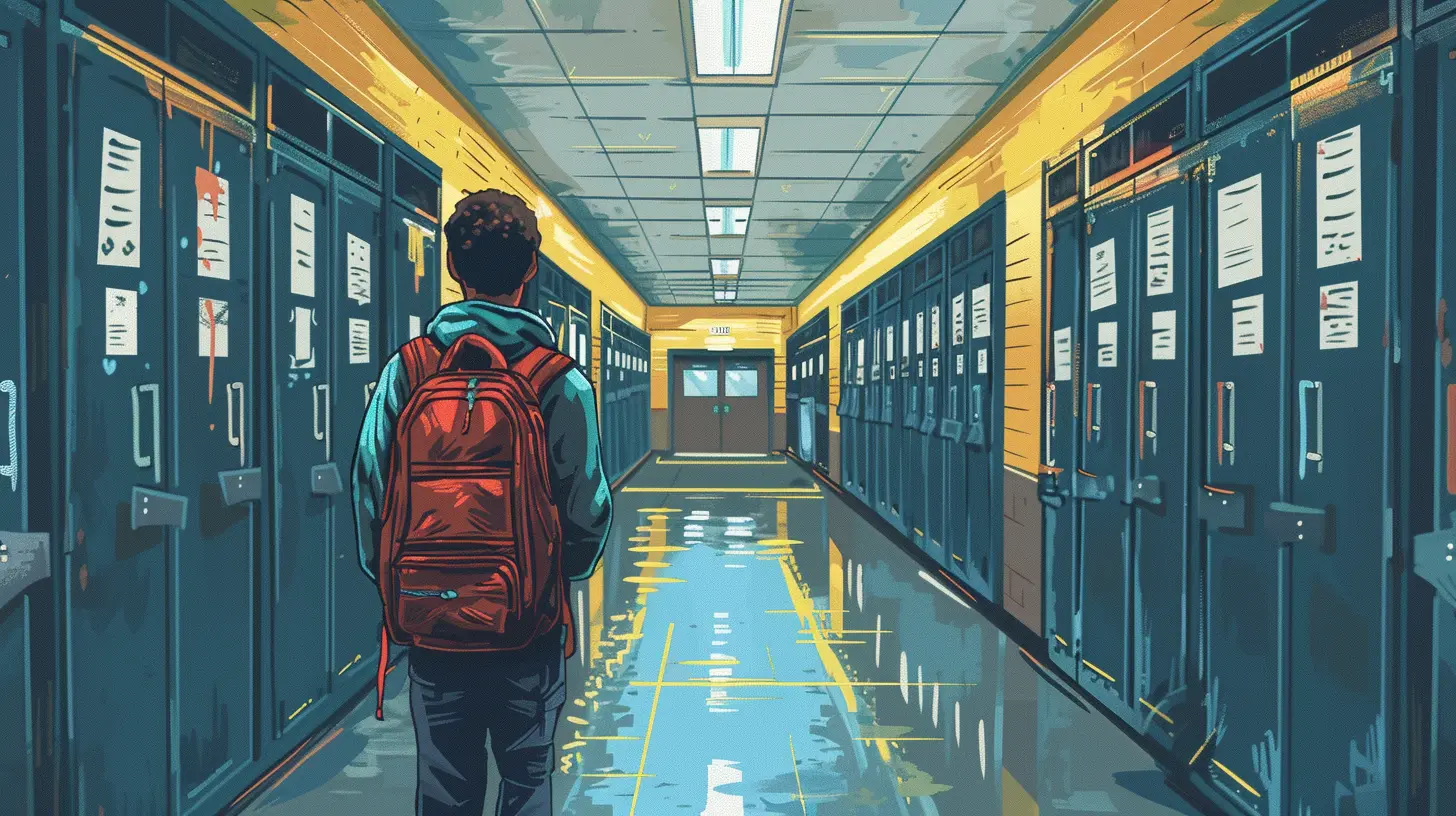
Table of Contents
- What Do We Mean by "School Safety Policies"?- Spotting the Bias: Where Things Go Wrong
- How Bias in Safety Measures Impacts Students of Color
- The Role of School Resource Officers (SROs)
- Implicit Bias: The Hidden Force Behind Decisions
- Cultural Misunderstandings in Discipline
- The School-to-Prison Pipeline: A Real Threat
- What Schools Can Do Differently
- Building Equity-Focused Safety Strategies
- Engaging Students and Communities
- Policy-Level Changes That Matter
- Final Thoughts: Safety Shouldn’t Come at a Cost
What Do We Mean by "School Safety Policies"?
Before we dive too deep, let’s clarify what we’re talking about. School safety policies refer to the rules, protocols, practices, and people (like security staff) put in place to protect students from harm. This includes things like:- Emergency drills (fire, lockdown)
- Security screenings
- Dress codes
- Suspensions and expulsions
- Presence of law enforcement in schools
- Zero-tolerance policies
Here’s where it gets tricky: while these policies aim to protect, sometimes they unintentionally promote fear, mistrust, and inequality—especially for marginalized students.
Spotting the Bias: Where Things Go Wrong
Bias in school safety policies usually doesn’t scream its name. It hides in the shadows of strict dress codes that seem to target certain cultures, or in the disciplinary actions that disproportionately affect Black and Brown students for the same behaviors their white peers might get a warning for.You’d think a policy’s just a policy, right? Wrong. The way it’s written, enforced, and interpreted can all be tinted by personal biases—often unconscious ones. And when biases are baked into rules, you end up with outcomes that look a lot like discrimination.
How Bias in Safety Measures Impacts Students of Color
Let’s look at the data for a moment (but hang with me—stats can be interesting). According to the U.S. Department of Education, Black students are suspended and expelled at a rate three times greater than white students. That’s not just a coincidence.Here’s the problem. When students of color are constantly disciplined more harshly, they start to feel like they’re not truly welcome. They feel watched, not supported. And that’s damaging, not just academically, but emotionally too.
Imagine being punished not for what you did, but because of who people think you might be. That’s the lived reality for far too many students.
The Role of School Resource Officers (SROs)
School Resource Officers are cops in schools. They’re supposed to keep the peace, protect students, and handle any serious safety threats.But here’s the catch—when law enforcement gets involved in everyday student discipline, minor infractions can turn into criminal offenses. Talking back can lead to handcuffs. Roughhousing can lead to charges. And guess who’s more likely to be criminalized this way? You guessed it—Black and Latino students.
There’s a big difference between being safe and being policed. And for many students, that line is way too blurry.
Implicit Bias: The Hidden Force Behind Decisions
Not all bias is loud and obvious. Implicit bias operates under the surface. It’s the silent filter that colors our judgments—often without us even realizing it.A teacher might assume a Black student is more aggressive based on body language. An administrator might interpret a Latino student's comment as disrespectful instead of inquisitive. Small moments of misjudgment stack up fast.
And when these hidden biases are involved in safety decisions—like who gets searched, who gets sent to the office, and who gets a second chance—the playing field isn’t level anymore.
Cultural Misunderstandings in Discipline
What one person sees as “disruptive,” another might see as a cultural expression. For example, in some cultures, being loud and expressive is a norm—it’s not aggression; it’s passion. But if educators and safety officers don’t understand that, students end up misjudged and mistreated.Think of it like a mismatch in languages. Students are speaking in cultural terms, and the system responds in punishment. That kind of disconnect can undermine trust on all sides.
The School-to-Prison Pipeline: A Real Threat
Remember earlier when we said minor behaviors often become criminal offenses? That’s one piece of a much bigger issue—what’s known as the school-to-prison pipeline.It’s the idea that harsh, unequal discipline pushes students—especially those of color—out of schools and into the criminal justice system. One suspension leads to falling behind. Falling behind leads to frustration. Frustration leads to dropping out. And from there? The risks get higher.
This isn’t a theory; it’s happening. And it’s fueled, in part, by biased safety practices that punish instead of support.
What Schools Can Do Differently
Okay, here’s the good part. There’s a better way. Schools don’t have to choose between safety and equity—they can have both. But it takes some honest self-reflection, bold policy changes, and a shift in mindset.Here’s where they can start.
Building Equity-Focused Safety Strategies
Step one: schools need to audit their safety policies through an equity lens. That means asking hard questions like:- Who is most impacted by this rule?
- Are punishments consistent across racial lines?
- Are staff trained to spot and counter their biases?
School leaders should look at discipline data by race, gender, and disability status. If patterns pop up, there’s work to do.
It’s not about blame—it’s about building fairer systems.
Engaging Students and Communities
Let’s be real—students usually know more about school culture than the adults making the rules. That’s why bringing student voices into safety discussions is vital. The same goes for families and community groups.When schools work hand-in-hand with the communities they serve, they can craft safety strategies that actually feel safe for everyone—not just a select few.
And here’s a bonus: when students feel heard, they’re more likely to follow the rules because they helped create them.
Policy-Level Changes That Matter
Here are a few concrete changes that can make a big difference:- Restorative Practices: Instead of suspensions, use circles, mediations, and conversations to address conflict.
- Limit the Role of SROs: Only involve police in actual safety threats, not discipline.
- Anti-Bias Training: Equip every educator and staff member with tools to recognize and interrupt bias.
- Decriminalize Behavior: End zero-tolerance policies that turn normal kid behavior into legal trouble.
- Transparent Data: Publicly report discipline statistics with breakdowns by race and gender.
None of these are magic bullets, but together? They create a more just and compassionate environment.
Final Thoughts: Safety Shouldn’t Come at a Cost
No one’s denying that schools need to be safe. But safety should feel like a warm umbrella over all students—not a storm cloud hanging over just some of them.Bias in school safety policies doesn’t just harm students of color; it sends a message about who is valued and who isn’t. That’s the real danger. If the goal is to help students learn, grow, and thrive, then we’ve got to protect not just their bodies, but their dignity too.
It’s time to rethink what safety really means. Because when you create policies grounded in equity, respect, and understanding, everybody benefits. That’s the kind of school we all want to send our kids to. Right?
all images in this post were generated using AI tools
Category:
School SafetyAuthor:

Bethany Hudson