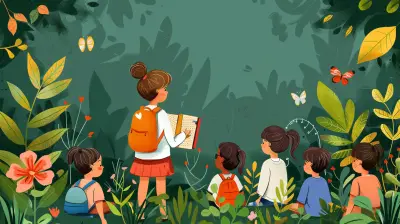
Climate Literacy: Why It Matters for Students Today
3 July 2026
Climate change isn't just a buzzword—it's a reality that affects us all. From rising temperatures to extreme weather events, the planet is changing faster than ever. But how much do students really understand about it?
That's where climate literacy comes in. It's not just about knowing what’s happening; it's about understanding why it’s happening and what can be done about it. Think of it like having a roadmap to navigate a complex issue that impacts our future.
In this article, we'll break down why climate literacy is crucial for students, what it involves, and how schools can help build a more environmentally conscious generation. 
What Is Climate Literacy?
Before we dive into why it’s important, let’s define climate literacy. Simply put, it’s the ability to understand climate science, its effects on the planet, and how human activities contribute to climate change.A climate-literate person:
- Knows the basics of climate science.
- Understands the impact of human behavior on the environment.
- Can make informed decisions to help combat climate change.
It’s not just about memorizing facts—it’s about making connections between science, policy, and daily life. 
Why Climate Literacy Matters for Students
1. Students Are the Future Decision-Makers
Today's students will be tomorrow’s leaders, policymakers, and innovators. If they don’t understand climate change now, how can they address it later? By teaching climate literacy, we empower young minds to make sustainable choices in the future.2. It Helps Develop Critical Thinking Skills
Climate change is a complex issue that requires logical thinking, problem-solving, and data interpretation. Learning about climate science encourages students to analyze evidence, question sources, and develop solutions—skills they’ll use in every aspect of life.3. It Encourages Sustainable Lifestyle Choices
When students learn about climate change, they’re more likely to adopt eco-friendly habits. Small actions, like reducing plastic use, conserving water, or using public transportation, can collectively make a big difference.4. Climate Change Affects Everyone
No one is immune to climate change. Whether it’s wildfires, hurricanes, or heatwaves, extreme weather is becoming more frequent. Educating students about the causes and consequences of climate change ensures they can prepare and adapt.5. It Promotes Scientific Literacy
Misinformation about climate change is everywhere. With solid climate literacy, students can separate fact from fiction, making them less susceptible to misleading claims.
How Schools Can Promote Climate Literacy
1. Including Climate Education in the Curriculum
Climate science should be a key part of subjects like science, geography, and even economics. Schools can integrate lessons on:- How the climate system works.
- The role of greenhouse gases.
- The impact of global warming on ecosystems.
2. Hands-On Learning Experiences
Students learn best by doing. Schools can organize activities like:- Eco-friendly projects – such as planting trees or creating sustainable gardens.
- Climate experiments – like tracking local temperature changes over time.
- Field trips – visiting conservation areas or renewable energy plants.
3. Encouraging Climate Conversations
Climate change is a topic that can spark engaging discussions. Teachers can:- Host debates on environmental policies.
- Invite climate scientists to talk to students.
- Use documentaries and case studies to illustrate real-world impacts.
4. Promoting Green Initiatives in Schools
Schools can lead by example by implementing green policies such as:- Reducing waste through recycling programs.
- Switching to energy-efficient lighting.
- Encouraging students to bike or walk to school where possible.
5. Leveraging Technology for Climate Education
Apps, online courses, and virtual simulations make learning about climate change interactive and fun. Platforms like NASA’s Climate Kids or the UN’s Climate Change Learning Portal offer engaging ways to understand the topic.
The Role of Parents and Communities
Education doesn't stop in the classroom—parents and communities play a huge role too. Families can encourage climate literacy by:- Watching climate-related documentaries together.
- Practicing sustainable habits at home (like composting or reducing energy usage).
- Supporting community environmental programs.
When students see environmental responsibility in action, they’re more likely to adopt it themselves.
Overcoming Barriers to Climate Literacy
Despite its importance, climate education isn’t always given priority. Some of the biggest challenges include:1. Lack of Resources
Many schools lack proper materials or trained educators to teach climate science effectively.Solution: Governments and organizations should invest in climate education resources, ensuring teachers have the tools they need.
2. Political and Social Resistance
Climate change can be a sensitive topic in certain communities. Some people see it as controversial, making it harder to teach in schools.Solution: Present climate science as fact-based and non-political, emphasizing evidence and critical thinking instead of opinions.
3. Limited Time in School Schedules
With packed curricula, squeezing in climate lessons can be tough.Solution: Climate literacy can be integrated into existing subjects rather than being treated as a separate course.
The Bigger Picture: A Climate-Literate Society
Imagine a world where everyone understands climate change and actively works to combat it. Sounds good, right? That’s the ultimate goal of climate literacy—to create a society that:- Makes policies based on science.
- Invests in renewable energy and sustainable solutions.
- Reduces pollution and protects natural ecosystems.
Education is a powerful tool in the fight against climate change, and students are at the heart of it.
Final Thoughts
Climate literacy isn’t just an academic subject—it’s a life skill. Understanding climate science, recognizing the impact of human actions, and learning how to make sustainable choices are all essential for the next generation.If we want students to step up as responsible global citizens, we need to equip them with the knowledge and tools to tackle climate challenges head-on. After all, the future of our planet is in their hands.
Let’s make sure it’s a future worth fighting for.
all images in this post were generated using AI tools
Category:
Environmental EducationAuthor:

Bethany Hudson
Discussion
rate this article
1 comments
Cooper Mathews
Climate literacy empowers students to drive change.
July 4, 2026 at 4:36 AM
Bethany Hudson
Absolutely. Climate literacy equips students with the knowledge to make informed decisions and advocate for a sustainable future.