Collaborative Teaching: Sharing the Load to Prevent Burnout
13 June 2026
Teaching is one of the most rewarding professions, but let's be real—it's also one of the most exhausting. Long hours, endless lesson planning, grading stacks of papers, and trying to meet every student's needs can quickly lead to burnout. But what if there was a way to ease the burden? Enter collaborative teaching—a game-changer for educators looking to share responsibilities and maintain their passion for teaching.
In this article, we'll dive into the benefits of collaborative teaching, how it can prevent burnout, and practical strategies to implement in your classroom. Ready? Let’s break it down.

What Is Collaborative Teaching?
At its core, collaborative teaching (also known as co-teaching) is when two or more educators work together to plan, teach, and assess students in the same classroom. It's like having a teaching partner who helps split the workload, bounce off ideas, and offer fresh perspectives.Instead of handling everything alone, teachers collaborate to create a more engaging and effective learning environment. Whether it’s co-planning lessons, sharing grading responsibilities, or brainstorming new teaching methods, having a partner in education can make all the difference.
Why Teacher Burnout Is a Serious Issue
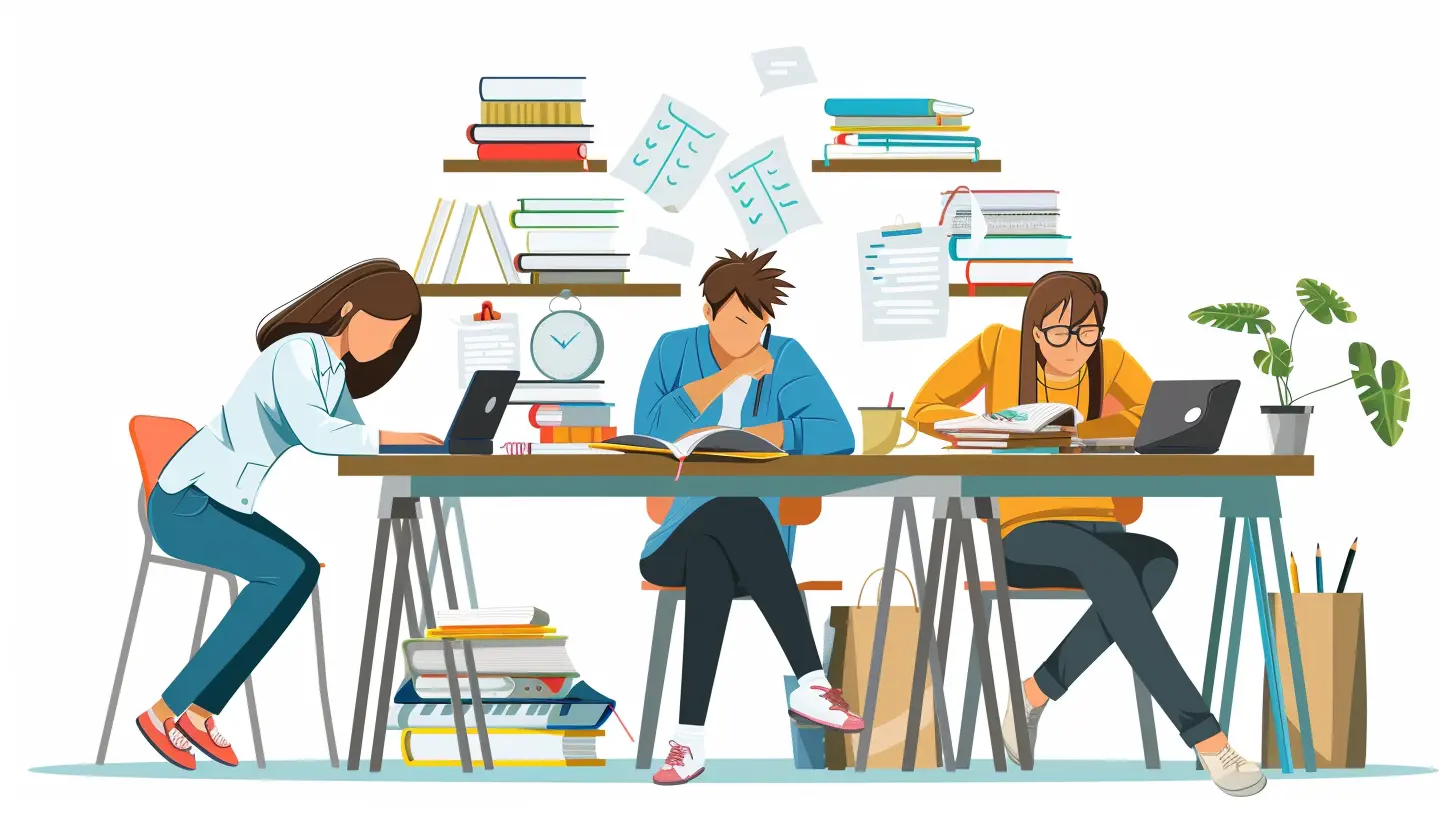
Before jumping into how collaboration helps, let's address the elephant in the room—burnout. Teaching isn’t just a job; it’s a mental, emotional, and physical investment. And without proper support, that investment can drain teachers faster than they can recover.Signs of Teacher Burnout
- Chronic exhaustion – Feeling drained even after a full night’s sleep.- Loss of passion – The joy of teaching fades, making every day feel like a struggle.
- Increased stress & anxiety – Constant pressure to meet expectations leads to overwhelming stress.
- Irritability & frustration – Small student issues start to feel like major problems.
- Declining performance – Difficulty keeping up with lesson planning, grading, or classroom management.
Sound familiar? You’re not alone. Teacher burnout is a widespread issue, but collaborative teaching can be a powerful antidote.

How Collaborative Teaching Prevents Burnout
1. Sharing the Workload
One of the biggest culprits of burnout? An overwhelming workload. Teaching is more than just standing in front of a class—it’s grading, lesson planning, parent communication, and administrative tasks.When teachers collaborate, they divide responsibilities:
- One teacher plans the lesson while the other prepares materials.
- One handles grading while the other provides student feedback.
- Both teachers share classroom management duties.
This division of labor means less stress and more balance, helping teachers stay energized and motivated.
2. Boosting Creativity & Fresh Ideas
Ever feel stuck in a teaching rut? Delivering the same lessons year after year can get monotonous, and creativity can suffer. With another teacher in the mix, you get constant inspiration.Collaborative teaching allows educators to:
- Exchange innovative teaching strategies.
- Introduce new classroom activities.
- Experiment with different teaching styles.
Two heads are always better than one, and having a teaching partner can reignite passion for teaching while keeping lessons fresh and engaging.
3. Providing Emotional Support
Teaching can be emotionally taxing. Students bring their struggles into the classroom, and teachers often take on a counselor-like role. Without support, it’s easy to feel overwhelmed.A teaching partner acts as a built-in support system. Having someone to vent to, brainstorm solutions with, or simply share a laugh can make a huge difference in mental well-being. Knowing you're not alone in the trenches makes everything more manageable.
4. Enhancing Student Learning Outcomes
Here’s the thing—when teachers collaborate effectively, students benefit too. With multiple educators in the room, students receive more individualized support.- Struggling students get extra guidance.
- Advanced learners receive more challenges.
- Diverse learning styles are accommodated.
When students thrive, teachers feel more accomplished, reducing burnout caused by feelings of failure or frustration.
Strategies for Effective Collaborative Teaching
1. Establish Clear Roles & Responsibilities
Collaboration works best when responsibilities are clearly defined. Discuss and determine:- Who leads instruction on which days?
- Who handles lesson planning, grading, and administrative work?
- How will classroom management be shared?
Having a structured plan prevents miscommunication and ensures both teachers are on the same page.
2. Utilize Co-Teaching Models
Not all collaborative teaching looks the same. Choose a model that fits your teaching style:- Team Teaching – Both teachers actively teach the lesson together.
- Parallel Teaching – The class is split into two groups, each teacher leading a smaller group.
- Station Teaching – Students rotate between different teachers and activities.
- One Teach, One Assist – One teacher leads while the other provides one-on-one support.
Flexibility is key—mix and match these models based on student needs and lesson objectives.
3. Communicate Openly & Honestly
Like any partnership, open communication is critical. Meet regularly to:- Discuss lesson plans.
- Address challenges and concerns.
- Provide feedback on what’s working (and what’s not).
A strong teaching team thrives on trust, respect, and open dialogue.
4. Use Technology to Streamline Work
Technology can make collaboration even easier. Tools like Google Docs, shared lesson planning apps, and grading software allow teachers to:- Co-edit lesson plans in real time.
- Provide feedback on student work.
- Organize resources efficiently.
Using the right tech tools minimizes back-and-forth communication and maximizes productivity.
5. Celebrate Wins Together
Teaching comes with highs and lows. Whether it's a student’s breakthrough moment, a successful lesson, or just surviving a tough week—celebrate the victories together.Acknowledging each other’s hard work fosters positivity and keeps motivation alive.
Overcoming Common Collaborative Teaching Challenges
While the benefits are clear, collaborative teaching isn’t without its challenges. Here’s how to tackle them:- Clashing Teaching Styles? Find common ground by focusing on student success.
- Unequal Workload Distribution? Have honest discussions and adjust roles accordingly.
- Scheduling Conflicts? Use online calendars or planning tools to stay aligned.
Like any relationship, collaboration takes patience, flexibility, and mutual respect. But when done right, it can transform both teaching and learning.
Final Thoughts
Teaching isn't meant to be a solo journey. Collaborative teaching is a powerful way to share the load, reduce stress, and reignite passion for education. By working together, teachers can create a more balanced, joyful, and effective classroom environment—for themselves and their students.So, if you’re feeling the burnout creeping in, consider teaming up with a fellow educator. You might just find that two teachers are better than one.
all images in this post were generated using AI tools
Category:
Teacher Burnout PreventionAuthor:

Bethany Hudson
Discussion
rate this article
1 comments
Maddox Mahoney
Collaborative teaching sounds like a breath of fresh air! Sharing ideas and responsibilities not only makes life easier but also sparks creativity. It's like a classroom potluck - everyone brings a dish, and together you create something delicious. Let the collaboration begin!
June 17, 2026 at 3:47 AM
Bethany Hudson
Absolutely! Collaborative teaching truly enhances creativity and support. It's great to see educators coming together to create something special for their students.