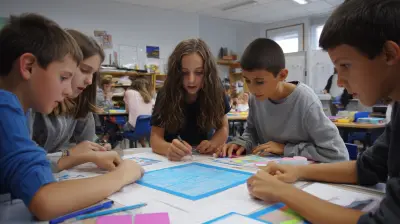
Ensuring a Safe Learning Environment: Best Practices for Schools
2 September 2026
Creating a safe learning environment is more than just locking doors and installing security cameras. It's about fostering a space where students can learn, grow, and thrive without worrying about their well-being. Whether you're a teacher, administrator, or parent, ensuring a school is fit for learning involves a mix of physical safety, emotional support, and constant vigilance.
But how do you strike that balance? How can schools protect students without making them feel like they're in a fortress? Let’s dive into some of the best practices for ensuring a safe learning environment for schools.
Why is a Safe Learning Environment Important?
First things first—why does this even matter? Well, think about it. Can you focus on learning if you’re constantly worried about bullying, accidents, or worse, violence? Absolutely not. A safe environment is critical because it:- Reduces anxiety: Kids (and adults, for that matter) learn best when they feel secure.
- Encourages participation: When students feel safe, they’re more likely to engage in activities, ask questions, and be themselves.
- Supports mental health: A safe space promotes emotional well-being, which is vital for learning and personal growth.
Simply put, safety is the foundation of effective education.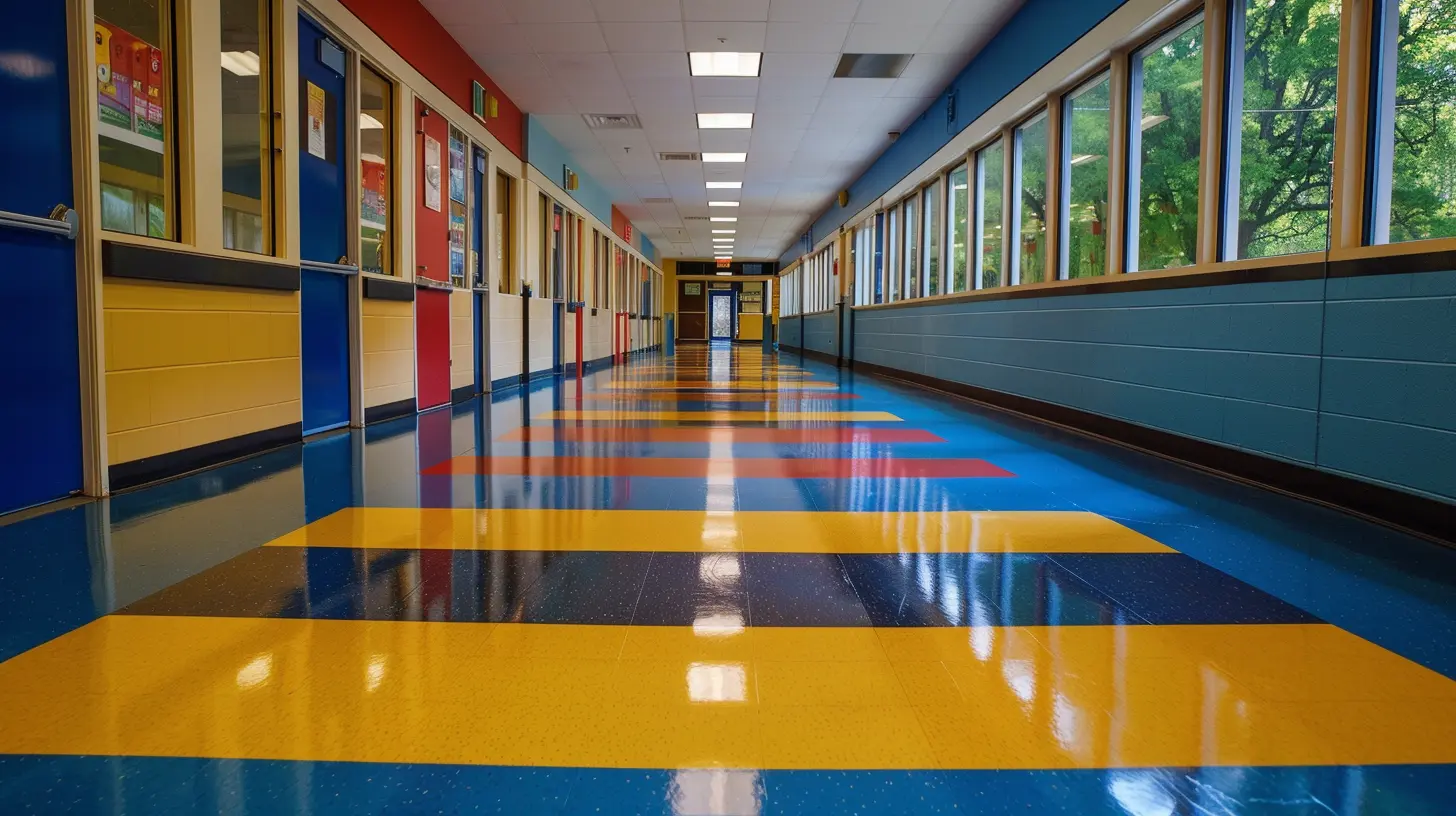
1. Physical Safety: Securing The School Grounds
Conduct Regular Safety Audits
The first step to ensuring physical safety is to know where your vulnerabilities lie. Schools should conduct regular safety audits to identify potential hazards. This includes everything from slippery floors to malfunctioning doors and windows.A safety audit isn’t a one-and-done deal. It should be conducted at least once a year, if not more frequently. In fact, why not make it a collaborative exercise? Get both staff and students involved. After all, they’re the ones moving through the space daily.
Install Security Systems
Of course, the most obvious way to physically secure a school is by installing security systems. We’re talking:- CCTV cameras: Place them in strategic locations like entrances, hallways, and parking lots.
- Access control: Limit who can enter the building by using keycards or biometric systems.
- Emergency alarms: Whether it's for fires, intruders, or other emergencies, make sure your alarm system is up to date and regularly tested.
While these systems are essential, they shouldn’t make the school feel like a prison. The goal is to strike a balance—students should feel safe, not suffocated.
Control Access to School Property
Let’s be real: schools can’t just let anyone stroll in off the street. Controlling who has access to the building is crucial. Some ways to do this include:- Visitor check-ins: Ensure that all visitors, including parents, check in at the front office and wear visible badges.
- Secured entrances: Limit the number of entry points to the school and make sure they’re all monitored.
- Fencing: In some cases, properly maintained fences can help control who has access to the property.
Maintain a Safe Physical Environment
It’s not just about keeping bad people out; it’s also about ensuring the physical environment is free of hazards. This can include:- Clear hallways: Make sure that clutter or misplaced objects don’t pose a tripping hazard.
- Well-lit areas: Proper lighting in hallways, parking lots, and playgrounds reduces the risk of accidents and deters unwanted behavior.
- Routine maintenance: Fix broken equipment, replace burnt-out lights, and repair damaged flooring promptly.
2. Emotional and Psychological Safety: Fostering a Supportive Atmosphere
Promote Anti-Bullying Policies
Bullying can wreak havoc on a student’s mental well-being. Schools should have zero-tolerance policies for bullying, but policies aren’t enough on their own. You need to cultivate a culture where bullying is not just discouraged—it’s actively prevented.Encourage students to speak up if they see bullying happening. Consider implementing peer support programs where older students mentor younger ones, helping to create a more inclusive and supportive environment.
Provide Mental Health Resources
We can’t talk about emotional safety without touching on mental health. Schools should offer students access to mental health resources, such as:- Counselors: Having a school counselor available for students who need someone to talk to is a game-changer.
- Mental health education: Teach students about stress management, emotional regulation, and coping strategies.
- Anonymous reporting systems: Allow students to report concerns about their peers’ mental health without fear of retribution.
It’s also important to train teachers to recognize the signs of mental distress in students. Often, they’re the first line of defense.
Encourage Open Communication
A safe learning environment is one where students feel comfortable speaking up. Create a culture of open communication where students can express their thoughts, ideas, and concerns without fear of judgment.Teachers and administrators should make time to listen to students and take their feedback seriously. Whether it’s about safety, workload, or social issues, students need to feel heard.
Build Positive Relationships
Students are more likely to feel safe when they have positive relationships with their teachers and peers. Simple gestures like greeting students by name, offering praise for their efforts, and creating an inclusive classroom atmosphere go a long way.Teachers can also foster relationships through group activities and team-building exercises that encourage cooperation and mutual respect. When students know they’re supported by both their peers and their teachers, they’re more likely to feel emotionally safe.
3. Emergency Preparedness: Be Ready for the Unexpected
Develop a Comprehensive Emergency Plan
Accidents and emergencies happen, and when they do, schools need to be prepared. Developing a comprehensive emergency plan is vital. This plan should cover a variety of scenarios, such as:- Fire drills: Regularly scheduled fire drills ensure students know how to evacuate quickly.
- Lockdown drills: Unfortunately, in today’s world, lockdown drills are a necessary precaution.
- Natural disasters: Depending on your location, you may need specific plans for earthquakes, tornadoes, or floods.
Once the plan is in place, share it with everyone—teachers, students, and parents—so that everyone knows what to do in the event of an emergency. Also, consider running mock drills to simulate different emergencies and test the effectiveness of your plan.
Train Staff in Emergency Procedures
Your emergency plan is only as good as the people implementing it. Ensure that all staff members are properly trained in emergency procedures. This includes:- First aid and CPR training
- Crisis intervention techniques
- De-escalation strategies for handling conflicts or threats
The more prepared your staff is, the safer your students will be.
Involve Local Authorities
Collaboration with local authorities, like the police and fire departments, is key to a solid emergency preparedness plan. Schools should have close relationships with these agencies and involve them in safety drills and planning sessions.Local authorities can also provide additional training to staff on how to handle specific situations, such as active shooter scenarios or bomb threats.
4. Digital Safety: Keeping Students Safe Online
Educate Students on Cyber Safety
In today’s digital age, a school’s safety plan must also include cybersecurity. Students spend a significant amount of time online, both for academics and social interaction, which opens the door to potential cyber threats.Educate students on the basics of cyber safety. This includes:
- Password security: Teach students to create strong, unique passwords and change them regularly.
- Phishing awareness: Help them recognize suspicious emails or messages.
- Social media safety: Encourage students to protect their privacy and be cautious about what they share online.
Implement Internet Security Measures
Schools should also take steps to secure their own digital infrastructure. This might involve:- Firewalls and filtering systems: These can block students from accessing inappropriate or dangerous websites.
- Regular software updates: Keeping systems updated helps to close vulnerabilities that hackers might exploit.
- Monitoring tools: Consider using software that monitors students’ online activity while on school networks.
By combining education with technical safeguards, schools can create a safe digital environment for students.
5. Creating a Culture of Safety: Involve Everyone
Encourage Student Participation
Safety isn’t just the responsibility of the adults in the building—it’s a team effort. Get students involved in promoting safety. This could be as simple as creating a student safety committee that meets regularly to discuss concerns and brainstorm solutions.Students are often more in tune with what’s happening on the ground than adults are, so their input can be invaluable. Plus, by involving them in the process, you empower them to take ownership of their own safety.
Engage Parents and the Community
Lastly, schools should engage parents and the broader community in safety efforts. Hold regular safety workshops for parents, where they can learn about the school’s safety protocols and how they can contribute.Schools should also communicate openly with parents about any safety concerns or incidents. Transparency is key to maintaining trust and ensuring everyone is on the same page.
Conclusion
Ensuring a safe learning environment is an ongoing process that requires a combination of physical security, emotional support, and community involvement. By implementing the best practices outlined above, schools can create spaces where students feel secure, respected, and ready to learn. After all, a safe school is a successful school.all images in this post were generated using AI tools
Category:
School SafetyAuthor:

Bethany Hudson
Discussion
rate this article
2 comments
Juliana McGowan
Safety should be a top priority.
September 21, 2026 at 4:40 AM
Aiden McGuffey
Creating a safe learning space is like baking a cake. You need the right mix of care, communication, and a sprinkle of fun to make it rise! Let's whip up something great in schools!
September 6, 2026 at 3:40 AM