Green Learning Spaces: Designing Sustainable Schools
4 June 2026
Imagine a school where sunlight fills the classrooms, fresh air circulates freely, and nature itself becomes a teaching tool. Sounds amazing, right? That’s the essence of green learning spaces—schools designed to be environmentally friendly while enhancing student well-being and academic performance.
Sustainability in education is no longer just a trend; it’s a necessity. As climate change impacts become more evident, schools must rethink how they design their spaces. A green school isn't just about solar panels or recycling bins—it’s about creating an ecosystem where students thrive while reducing harm to the planet.
In this article, we'll dive into the importance of sustainable schools, key design elements, and how they benefit students, teachers, and the environment. Let’s get started!
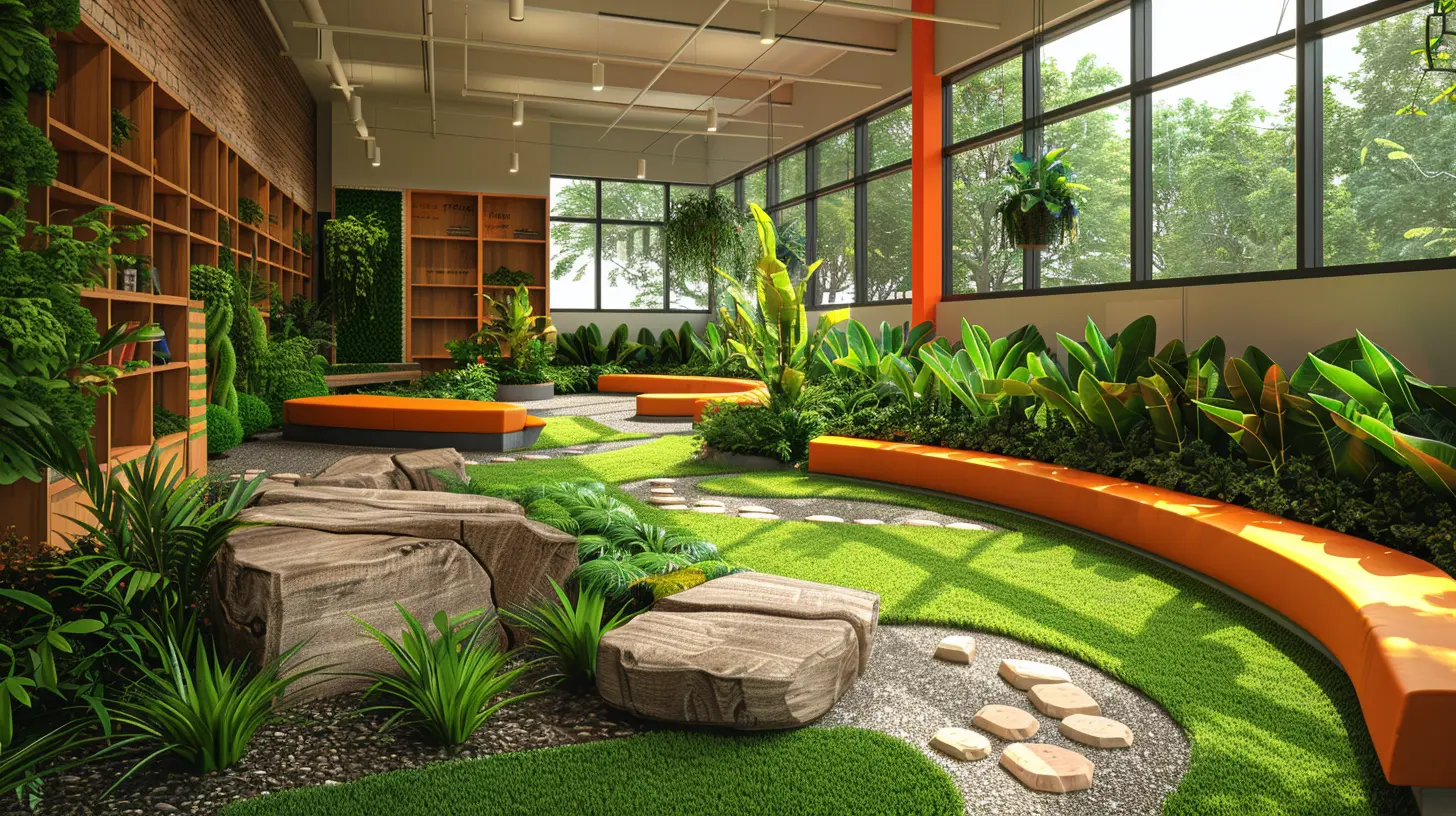
Why Sustainable Schools Matter
Before we get into the details of designing a sustainable school, let’s talk about why it matters in the first place. Traditional schools consume a massive amount of energy, water, and resources. They contribute to pollution and generate tons of waste each year. Now, imagine if every school made small but meaningful changes. The impact would be enormous!Benefits of Green Schools
1. Environmental Impact:Sustainable schools use fewer natural resources, reduce carbon emissions, and minimize waste. Every energy-efficient lightbulb, rainwater collection system, and green roof contributes to a healthier planet.
2. Healthier Learning Environments:
Traditional schools often have poor air quality due to toxic paints, cleaning products, and inadequate ventilation. Green schools prioritize non-toxic materials, proper airflow, and natural lighting, creating a healthier space for students and teachers.
3. Improved Academic Performance:
Here's something fascinating—studies show that students in green schools perform better academically. Natural light boosts concentration, fresh air enhances cognitive function, and nature-filled classrooms reduce stress levels. Who wouldn’t want to learn in that kind of setting?
4. Cost Savings:
Going green isn’t just good for the planet—it’s good for school budgets too! Energy-efficient buildings reduce operating costs, which means more funds can be directed toward education rather than utility bills.
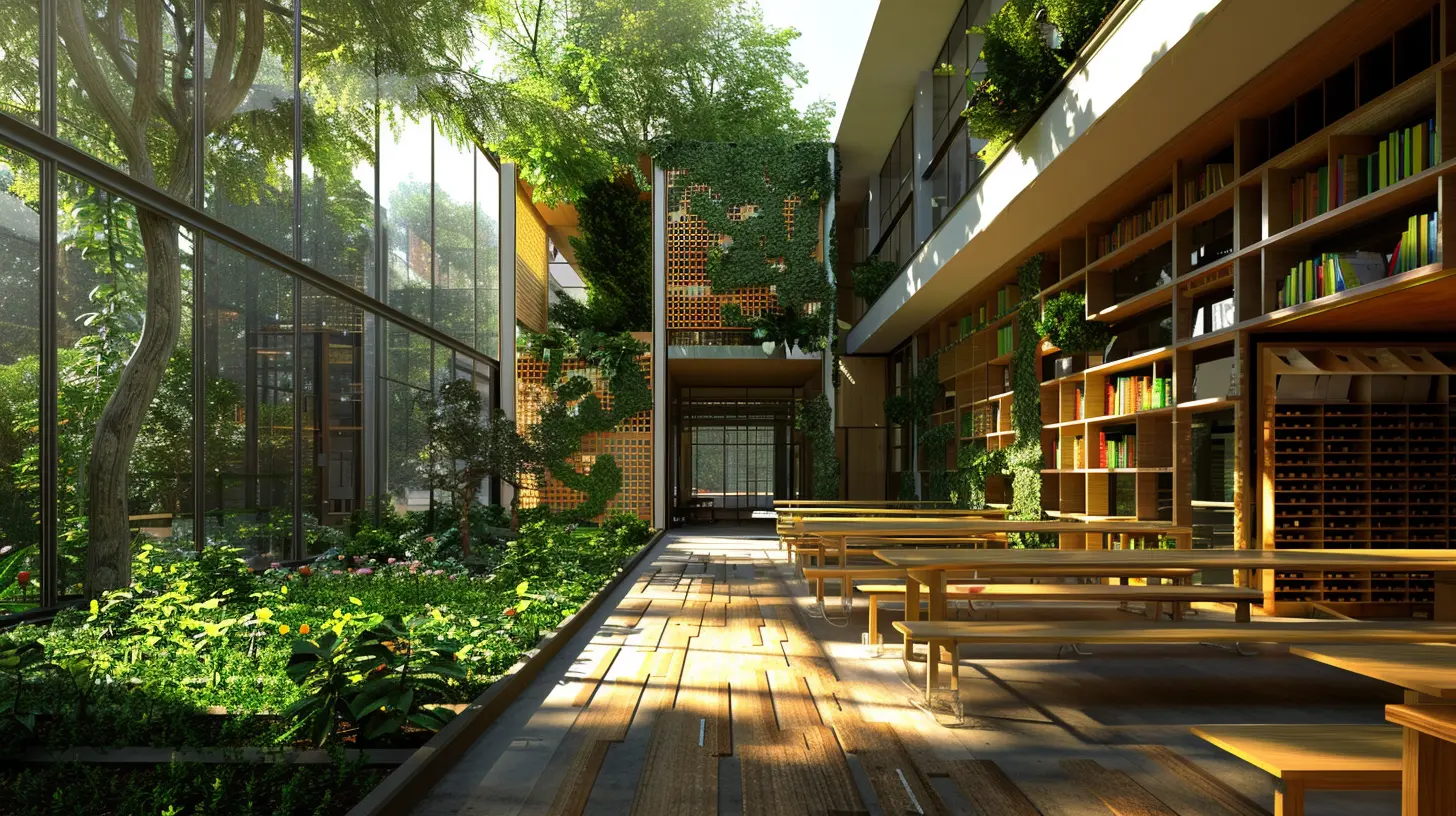
Key Elements of a Green Learning Space
So, how do we actually design sustainable schools? It’s about smart choices, from construction materials to classroom layouts. Let’s break it down:1. Energy-Efficient Design
A green school starts with energy efficiency. That means:- Solar Panels: A great way to generate renewable energy and cut electricity costs.
- LED Lighting: Uses less power and lasts longer than traditional bulbs.
- Smart Energy Systems: Sensors that automatically turn off lights and adjust heating or cooling based on occupancy.
2. Natural Lighting and Ventilation
Ever noticed how sitting under fluorescent lights all day makes you feel drained? That’s because artificial lighting can't replace the benefits of natural sunlight. Schools can:- Install large windows and skylights for maximum daylight exposure.
- Use passive ventilation systems to improve airflow without relying on air conditioning.
- Integrate shading devices (such as trees or window covers) to regulate indoor temperature.
3. Sustainable Building Materials
The materials used in school construction can have a long-term environmental impact. Green schools opt for:- Recycled materials (like reclaimed wood and metal).
- Non-toxic paints and adhesives to improve indoor air quality.
- Bamboo and cork flooring, which are sustainable and durable.
4. Green Roofs and Outdoor Learning Spaces
Why confine learning to four walls when nature itself can be a classroom? Green schools incorporate:- Green roofs covered in vegetation to improve insulation and reduce rainwater runoff.
- Outdoor classrooms where lessons take place in gardens or under trees.
- School gardens where students can grow vegetables, learning about sustainability hands-on.
5. Water Conservation Systems
Water is a precious resource, so sustainable schools make every drop count. Simple but effective solutions include:- Rainwater harvesting to water plants and flush toilets.
- Low-flow faucets and toilets to reduce water waste.
- Drought-resistant landscaping, so the school grounds stay green without excessive watering.
6. Waste Management and Recycling Programs
A green learning space is incomplete without a solid waste management plan. Schools can:- Implement composting programs for food waste.
- Encourage zero-waste lunches, where students bring reusable containers.
- Set up recycling stations in every classroom to make recycling second nature.
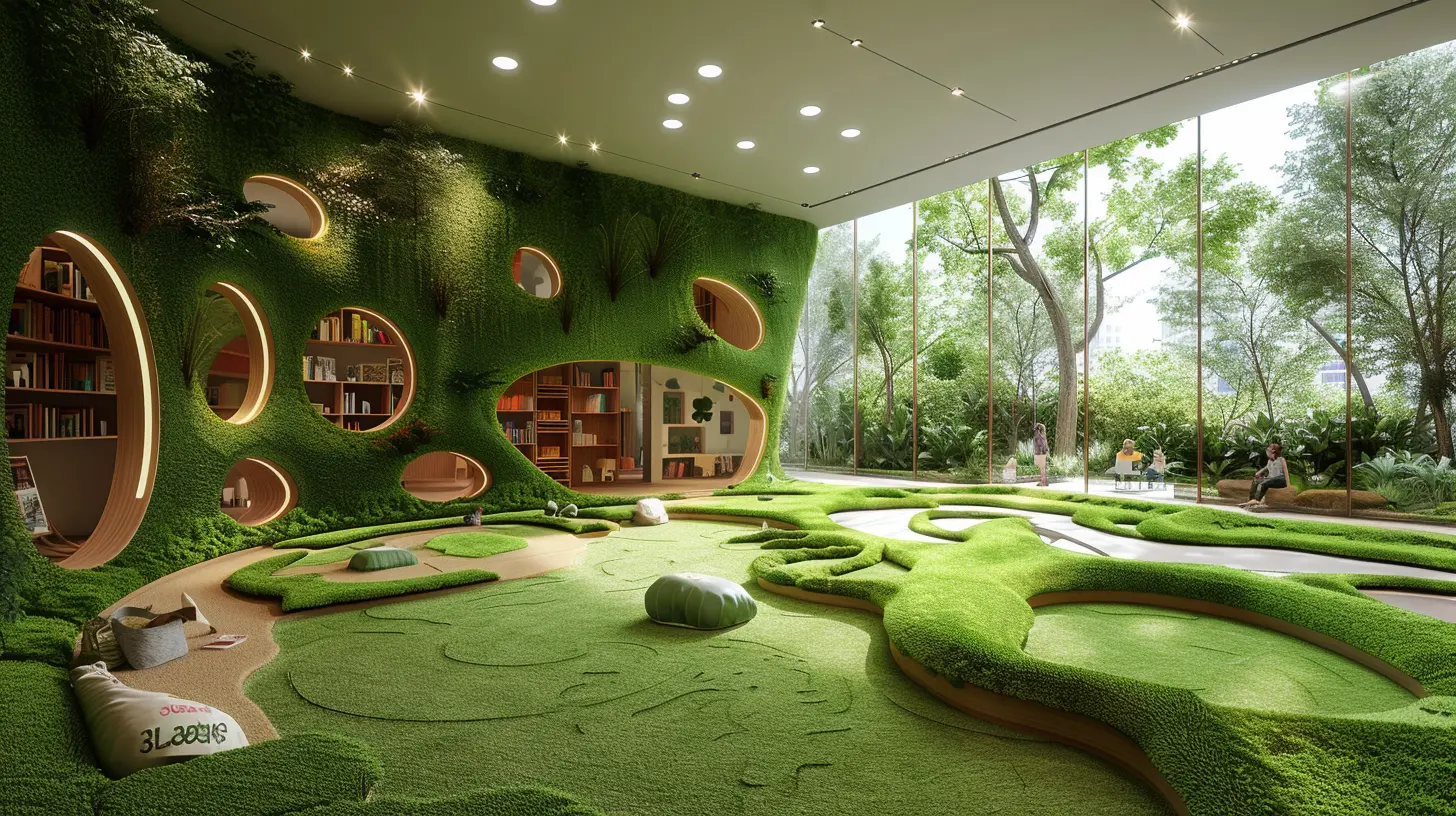
How Can Schools Transition to Green Learning Spaces?
Building a fully sustainable school from scratch might not always be feasible, but every school can start small. Here’s how:1. Start with Energy Audits
Schools can assess their current energy use and find ways to make improvements. Switching to LED bulbs or adjusting heating schedules can make a difference.2. Involve Students and Staff
Sustainability works best when everyone gets involved! Schools can:- Create a Green Committee made up of students, teachers, and parents.
- Introduce eco-friendly school projects, like planting trees or upcycling waste materials.
- Educate students on sustainability through interactive workshops.
3. Partner with Eco-Friendly Organizations
Many nonprofit organizations and local businesses support sustainable initiatives. Schools can collaborate to install solar panels, create gardens, or fundraise for green projects.4. Apply for Green Certifications
Certifications like LEED (Leadership in Energy and Environmental Design) or Green Schools Certification encourage schools to meet sustainability standards. These not only benefit the environment but also enhance the school's reputation.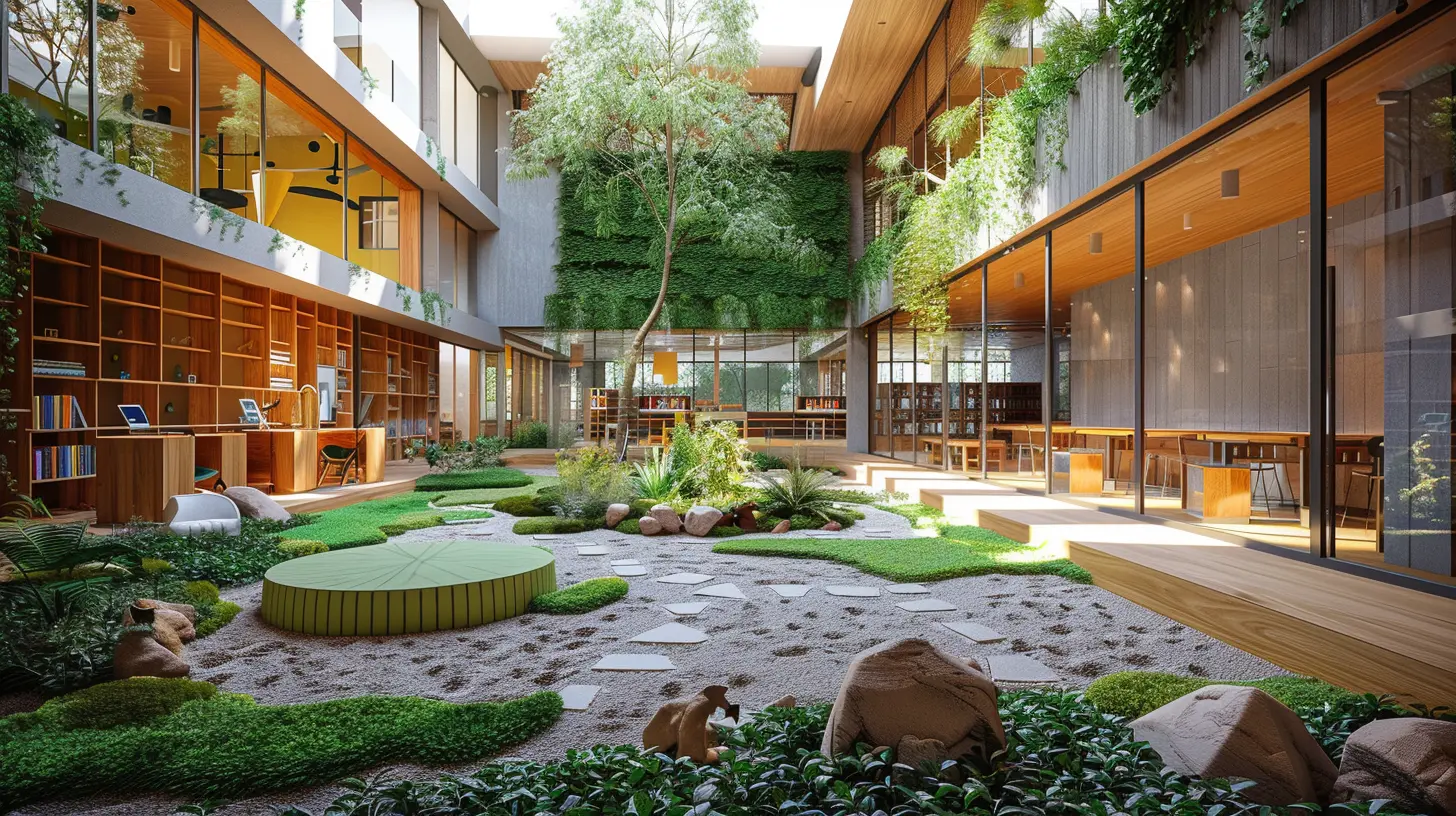
The Future of Green Learning Spaces
Imagine a future where every school is energy-efficient, surrounded by thriving greenery, and equipped with eco-friendly technology. A future where students not only learn about sustainability in textbooks but also experience it in their daily lives.Green learning spaces are more than just buildings—they're an investment in the planet and future generations. Schools that embrace sustainability today prepare students to be responsible global citizens.
So, whether you’re a parent, teacher, or student, you have the power to advocate for greener schools. Even the smallest changes—switching off unnecessary lights, reducing waste, or planting a tree—can have a lasting impact.
What step will your school take next?
all images in this post were generated using AI tools
Category:
Environmental EducationAuthor:

Bethany Hudson
Discussion
rate this article
1 comments
Rosanna McCord
This article offers valuable insights into creating sustainable school environments. It's inspiring to see the focus on green learning spaces that nurture both students and the planet. Great job!
June 4, 2026 at 11:08 AM
Bethany Hudson
Thank you for your kind words! I'm glad you found the insights valuable. Sustainable schools really can make a difference for students and the environment.