How to Use Meditation to Stay Grounded During Tough Days
6 October 2026
Life throws curveballs at us when we least expect them. Maybe you're dealing with work stress, family drama, heartbreak, or just one of those days where nothing seems to go right. We've all been there. When the weight of everything feels too much, finding a moment to breathe can seem impossible. That’s where meditation steps in like a trusted friend—ready to help you find your footing.
In this article, we’ll walk through exactly how you can use meditation to stay grounded, especially during the days when you feel like you're spiraling. No fluff, no mysticism (unless you're into that), just real, actionable steps to help you reconnect with yourself and regain your balance.
Why Meditation Works (Especially on Rough Days)
Let’s start here: why even bother?Meditation is much more than just sitting cross-legged and chanting "Om." It’s a mental reset button. It gives your racing mind a breather and helps you come back to the present moment. When the chaos outside is loud, meditation helps quiet the noise inside.
Think of your thoughts like tabs on a web browser. On tough days, you've probably got 37 tabs open, music playing from somewhere, and your brain yelling, “Where’s that sound coming from?!” Meditation allows you to close all those tabs, one at a time, and focus on the now.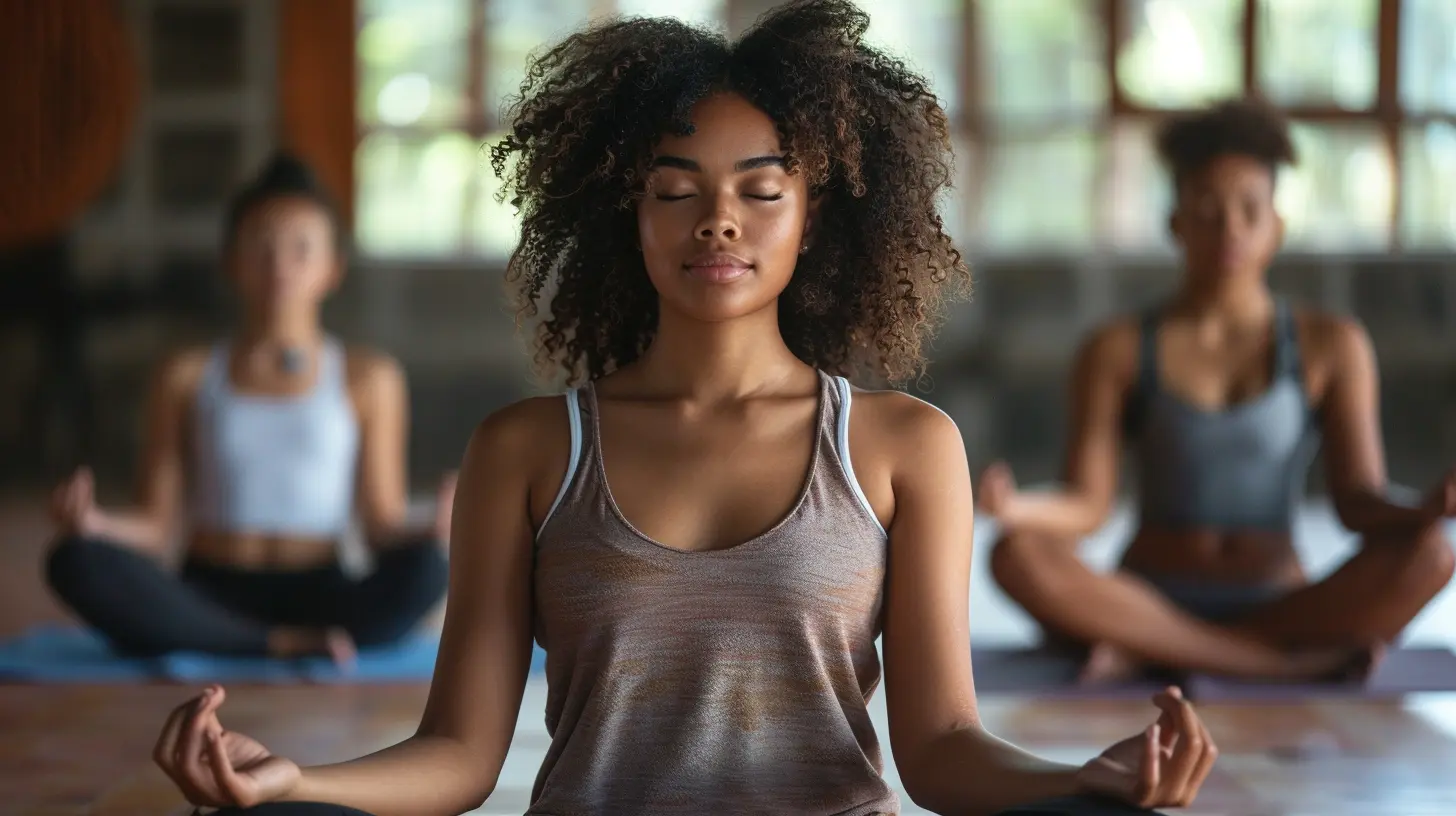
The Science Behind Staying Grounded Through Meditation
Before we dive into how to do it, let’s talk about why it works—scientifically.Meditation has been shown to:
- Lower cortisol (your stress hormone)
- Slow heart rate and regulate breathing
- Improve concentration and emotional regulation
- Strengthen gray matter in the brain (that’s the good stuff controlling memory and decision-making)
In short, when life hits hard, meditation helps your brain stay soft—and responsive rather than reactive.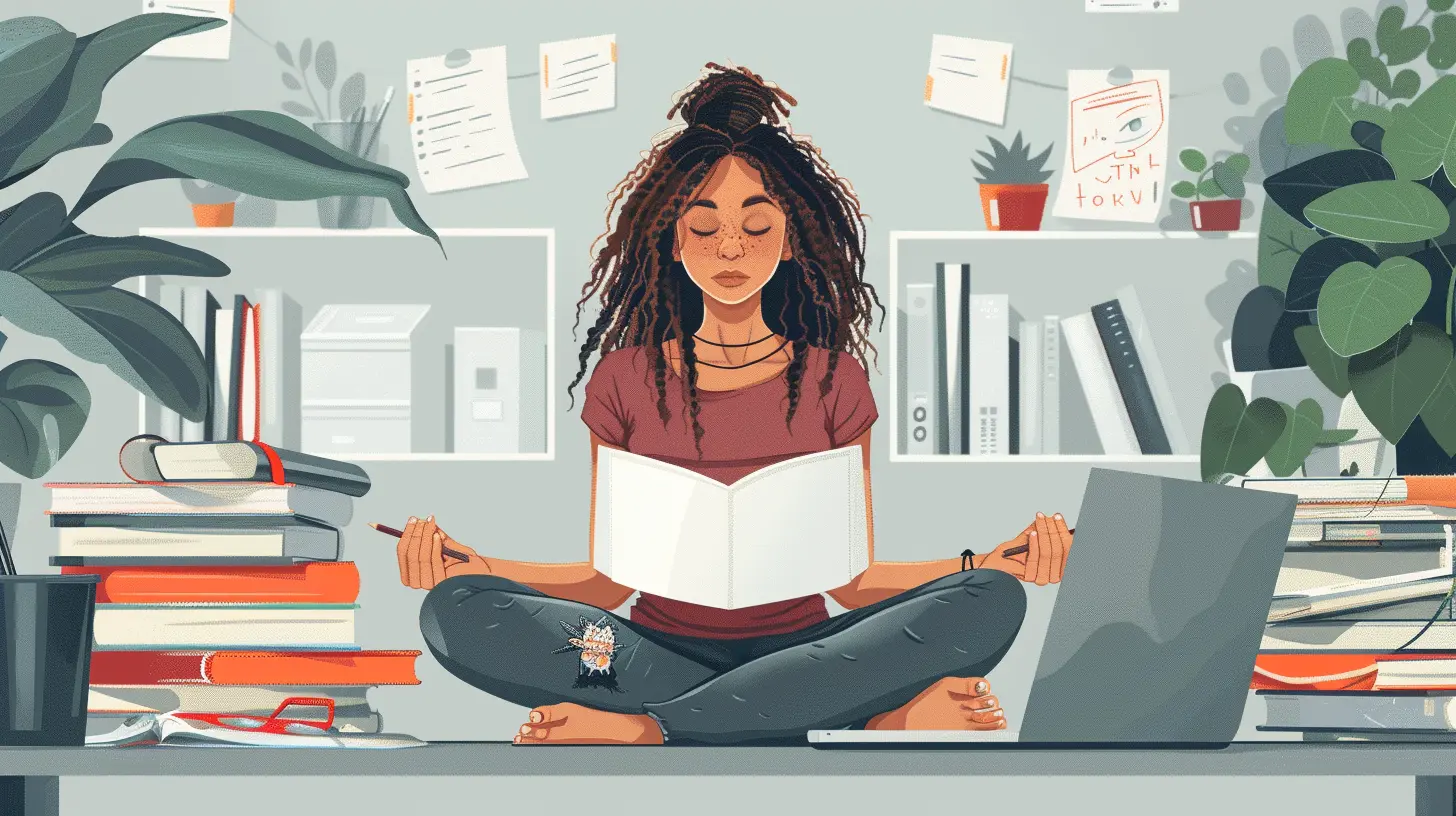
Recognizing When You Need to Meditate
Sometimes, we push through stress like we’re superheroes. Spoiler alert: we’re not. You don’t have to wait until you're burnt out or crying in the bathroom to meditate. Here are a few signs it's time to pause:- You’re feeling overwhelmed or irritable
- You can’t focus or finish tasks
- Negative self-talk is on a loop
- You’re physically tense (jaw clenched, shoulders tight)
- You’re overthinking future events or past mistakes
If any of that sounds familiar, your brain’s waving a white flag. Time to give it a break.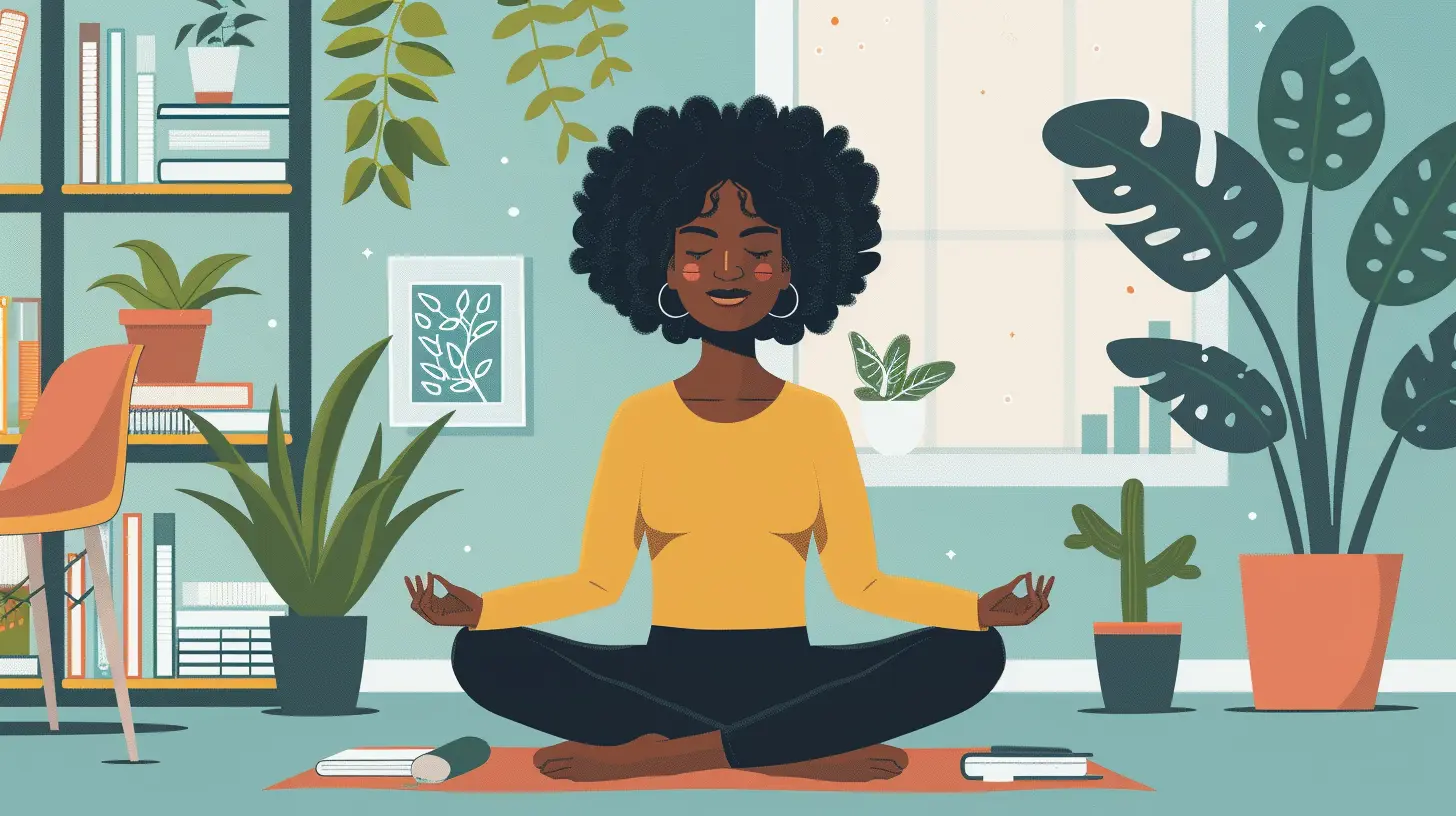
How to Start Meditating (Even If You’re New or Skeptical)
Let’s keep it real: sitting still can be hard if your brain’s running a marathon. But meditation doesn’t have to be complicated. Here's a simple way to dip your toes in, even if you've never tried it before.1. Find Your Spot
This could be your bed, your car (not while driving, please), a quiet corner of your room, or even a bathroom stall at work. The key is comfort and minimal distractions.2. Set a Timer
Start small. Try just 2–5 minutes. You’re not training for the Monk Olympics here. Just enough time to begin feeling the benefits.3. Breathe Intentionally
Close your eyes. Breathe in through your nose for 4 counts, hold for 4, out through your mouth for 4 counts. Repeat. That’s it.When your mind wanders (and it will), gently bring your attention back to your breath like guiding a playful puppy back to the path.
Grounding Meditation Techniques You Can Use Right Now
Ready to try a bit more structure? These grounding meditation techniques are perfect for tough days and don’t require incense or expensive apps.1. Body Scan Meditation
Perfect when you’re feeling disconnected or “floaty.”How to do it:
- Lie down or sit comfortably.
- Close your eyes and bring attention to your feet.
- Slowly move your focus up your body—ankles, legs, torso, arms, neck, head.
- Notice tension or sensations, without judgment.
- Imagine releasing tension as you scan each part.
Why it works: It reconnects you with your body and the present moment—like hugging yourself from the inside.
2. The 5-4-3-2-1 Method
Great for anxiety or emotional overwhelm.How to do it:
1. Name 5 things you can see.
2. Name 4 things you can touch.
3. Name 3 things you can hear.
4. Name 2 things you can smell.
5. Name 1 thing you can taste or love about yourself.
Why it works: It pulls your awareness out of racing thoughts and into your physical surroundings. It’s like anchoring yourself to the now.
3. Mantra Meditation
Simple, powerful, and totally customizable.How to do it:
- Choose a calming word or phrase (like “I am safe” or “This will pass”).
- Sit quietly and repeat it in your mind with each breath.
- Let the mantra guide you back whenever your thoughts wander.
Why it works: It gives your mind a constructive focus and gently reshapes negative thought loops.
Meditation in Real Life: Making It a Daily Practice
You don’t need to move to the mountains to be “into” meditation. The real power is in consistency, not setting.Quick Ways to Meditate Throughout Your Day
- Morning reset: Before grabbing your phone, spend 3 minutes breathing deeply.- Midday check-in: Close your eyes at your desk and do a minute of conscious breathing.
- Evening wind-down: Swap doom-scrolling for a 5-minute guided session in bed.
Apps That Help
If you like a little guidance, meditation apps can be super helpful. Try:- Headspace
- Calm
- Insight Timer
- Simple Habit
Many of them have sessions specifically for stress, anxiety, or even grief—tailored to what you’re feeling.
Journaling + Meditation = Double the Power
Want to supercharge your meditation experience? Combine it with journaling.After meditating, take 3–5 minutes to jot down:
- What emotions came up?
- What do you need right now?
- One thing you're grateful for (yes, even on bad days)
This combo helps process thoughts more deeply, like putting your brain on paper—and leaving the heavy stuff there.
Common Myths That Might Be Holding You Back
Let’s bust some myths real quick:- “I can’t meditate because I can’t stop thinking.”
That’s normal. Meditation isn’t about stopping your thoughts; it’s about observing them without getting tangled up.
- “I don’t have time.”
If you have time to scroll TikTok for 20 minutes, you have time to sit and breathe for 5. Harsh truth, but real.
- “Meditation is too spiritual for me.”
Meditation doesn’t belong to any one religion or belief system. It’s simply a practice for mental clarity. Like brushing your brain.
When Meditation Alone Isn’t Enough
Let’s be clear—meditation is a tool, not a cure-all.If your tough days stretch into tough weeks or months, and you feel like you’re drowning, it’s okay to reach out for help. Counselors, therapists, and support groups can offer guidance that meditation alone can’t. Think of meditation as a flashlight, not a rescue boat.
Final Thoughts: Be Gentle with Yourself
Bad days suck. There’s no way around that. But meditation gives you a way through the mess—a bridge back to yourself when you feel lost.You don’t have to be perfect at it. You just have to show up. With time, grounding yourself using meditation will feel less like a chore and more like a hug your mind gives your soul.
So, next time life feels like too much, take a breath. Sit down. Close your eyes. And let that breath remind you: you’re still here. And you’re doing the best you can.
all images in this post were generated using AI tools
Category:
Teacher Burnout PreventionAuthor:

Bethany Hudson