Innovative Approaches to Environmental Education in Urban Settings
2 October 2026
In today’s fast-paced world, the connection between society and the environment is becoming increasingly important. But let’s face it—urban environments aren’t exactly known for their lush forests and pristine rivers. So, how can we teach environmental education when we're surrounded by concrete jungles, high-rises, and highways?
That’s where innovative approaches come in. The traditional model of outdoor environmental education may not always be feasible in urban settings, but that doesn’t mean city dwellers have to miss out on learning about the natural world. In fact, urban settings provide a unique opportunity to engage communities in environmental stewardship in creative and impactful ways.
In this article, we’ll dive into some cutting-edge strategies for teaching environmental education in urban areas. From vertical gardens to community science projects, these approaches not only educate but also empower people to take action.
Why Is Environmental Education Important in Urban Settings?
Before we get into the innovative stuff, let’s take a moment to understand why environmental education matters, especially in cities.Urban areas are home to more than half of the world’s population, and that number is only growing. As cities expand, so do their environmental footprints. Pollution, waste management, and energy consumption are just a few of the challenges that urban spaces face.
So, if we want to make a real impact on global environmental issues, we need to start with the people who live in cities. By educating urban communities, we can spark a ripple effect of positive environmental change across the globe. Sounds important, right?
But here’s the catch: traditional environmental education often relies on direct interaction with nature—think forests, lakes, and wildlife reserves. In a city, access to these natural environments is limited. So, how do we adapt? Enter innovative teaching methods.
Bringing Nature to the City: Urban Greening Initiatives
One of the coolest ways to teach environmental education in cities is by literally bringing nature into the urban landscape. Urban greening initiatives like rooftop gardens, vertical farms, and green walls are not just aesthetically pleasing; they’re also powerful educational tools.Rooftop Gardens and Green Spaces
Let’s start with rooftop gardens. These green oases are popping up all over cities, from New York to Tokyo. Rooftop gardens serve multiple purposes: they reduce the urban heat island effect, provide habitats for birds and insects, and, of course, they offer a hands-on learning experience.Schools, community centers, and even office buildings can set up rooftop gardens where students and city dwellers can learn about topics like sustainable agriculture, biodiversity, and climate change. It’s one thing to read about composting in a textbook, but it’s a whole different game when you get your hands dirty and see how food waste turns into nutrient-rich soil.
Vertical Gardens and Green Walls
No space for a garden? No problem. Vertical gardens and green walls are perfect for cities where space is at a premium. Have you ever seen a building covered in plants? That’s a green wall, and it’s not just for show.Incorporating vertical gardens into schools and public areas can teach people about air purification, water conservation, and plant biology without even needing a large plot of land. Plus, green walls can help reduce air pollution, which is a major issue in urban areas.
Integrating Technology Into Environmental Education
We live in a digital age, and there’s no reason environmental education should be stuck in the past. Technology offers endless possibilities for engaging urban communities in environmental learning—especially younger generations who are glued to their screens.Augmented Reality (AR) and Virtual Reality (VR)
Imagine putting on a pair of VR goggles and finding yourself in a rainforest, surrounded by exotic animals and towering trees. Or using AR to see how a polluted river would look if it was restored to its natural state. This isn’t science fiction—it’s already happening.Schools and educational programs are increasingly using AR and VR to create immersive learning experiences that allow students to explore ecosystems, track wildlife, and understand the environmental impact of human actions—all without leaving the city.
Mobile Apps for Environmental Learning
Smartphones are ubiquitous, so why not use them for environmental education? There are plenty of mobile apps that make learning about the environment fun, interactive, and accessible.For instance, apps like iNaturalist and Seek let users participate in community science projects by identifying plants and animals in their local environment. These apps provide a way for city dwellers to engage with nature, even if that “nature” is a park or a small patch of greenery on the sidewalk. The data collected through these apps can also be used by scientists to monitor biodiversity and track environmental changes.
Gamification of Environmental Issues
Who says learning can’t be fun? Gamification is a growing trend in education, and it’s being increasingly applied to environmental topics. Games that simulate environmental challenges—like managing a city’s resources or restoring ecosystems—can help players understand complex issues in a way that’s engaging and memorable.For example, the game "Eco" lets players build a civilization while balancing environmental sustainability. If they over-exploit resources, the ecosystem collapses, and the game ends. This not only teaches the importance of sustainability but also gives players a sense of responsibility for the environment, even in a virtual setting.
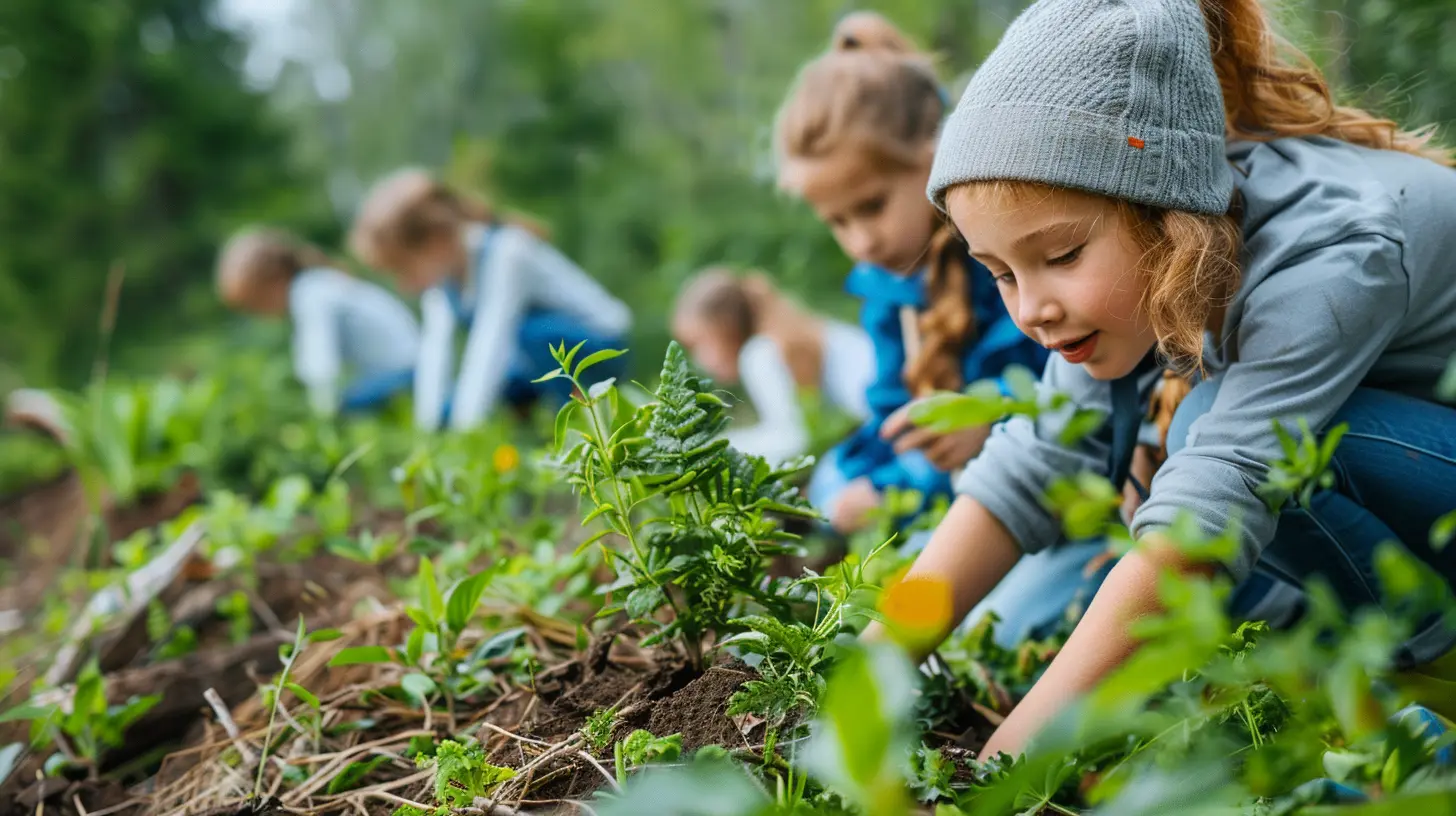
Community-Driven Environmental Education
Education doesn’t have to be confined to classrooms. In fact, some of the most impactful environmental education happens at the community level. When people come together to solve a common problem, they learn from each other and create lasting change.Citizen Science Projects
Citizen science is all about involving the public in scientific research. It’s a win-win: scientists get access to valuable data, and participants get hands-on experience with real-world environmental issues.In urban settings, citizen science projects can focus on everything from monitoring air quality to tracking wildlife in city parks. These projects not only raise awareness about environmental issues but also empower people to become part of the solution. And here’s the best part—it doesn’t require any fancy equipment. All you need is a smartphone or a notebook and a willingness to learn.
Urban Environmental Stewardship Programs
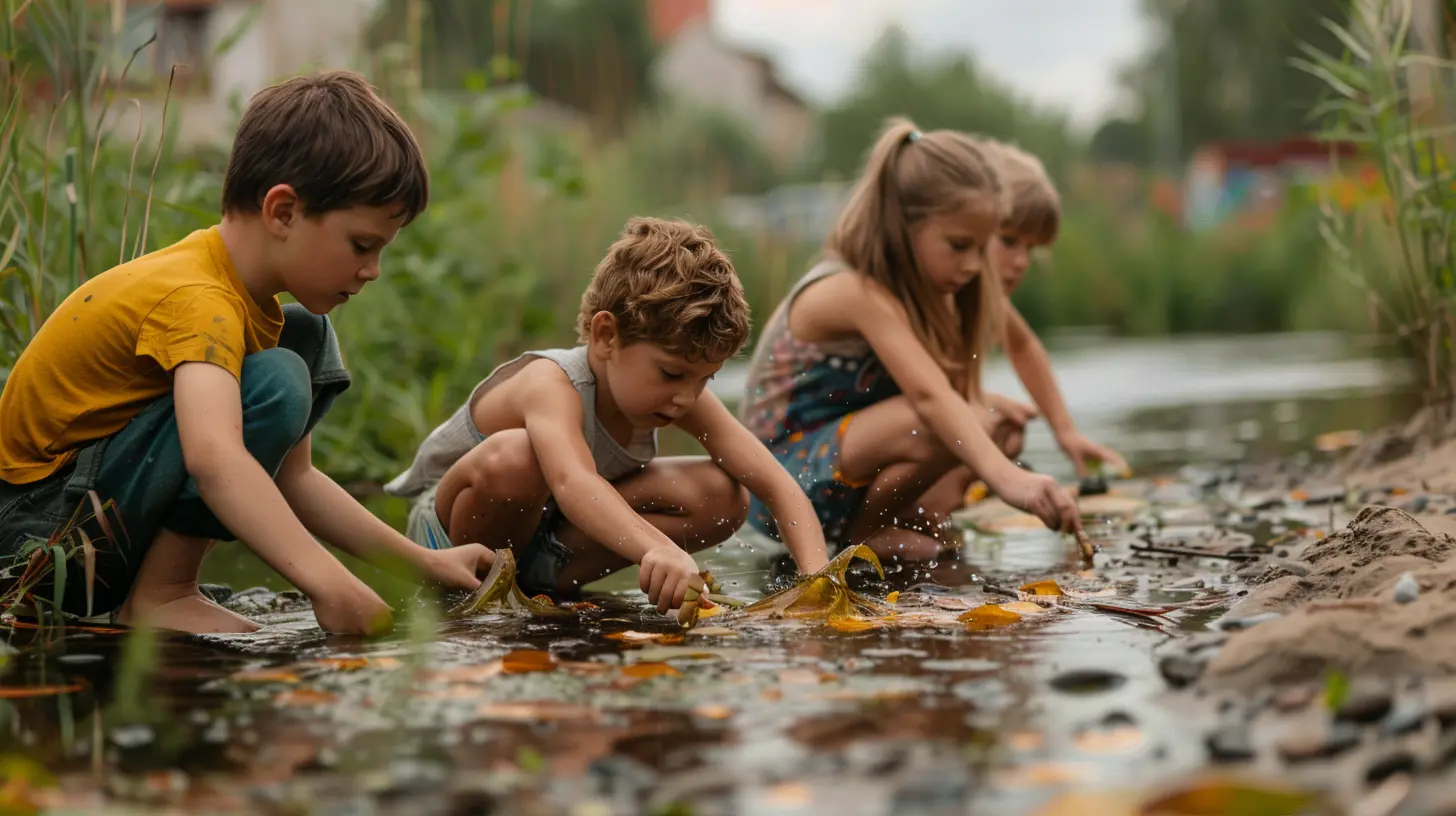
Stewardship programs encourage city residents to take care of their local environment. This could involve anything from tree planting initiatives to community clean-up events. These programs don’t just teach environmental responsibility—they foster a sense of ownership and pride in the local ecosystem.By participating in stewardship programs, urban residents can see the direct impact of their actions on their environment. This hands-on experience is often more powerful than simply reading about environmental issues. It’s one thing to know that plastic pollution is bad for the planet—it’s another to pick up plastic bottles from a local river and see the effect firsthand.
Schools as Hubs for Environmental Learning
Schools play a critical role in environmental education, especially in urban settings where access to nature is limited. But to truly make an impact, schools need to go beyond the traditional curriculum and embrace innovative approaches.Outdoor Classrooms in the City
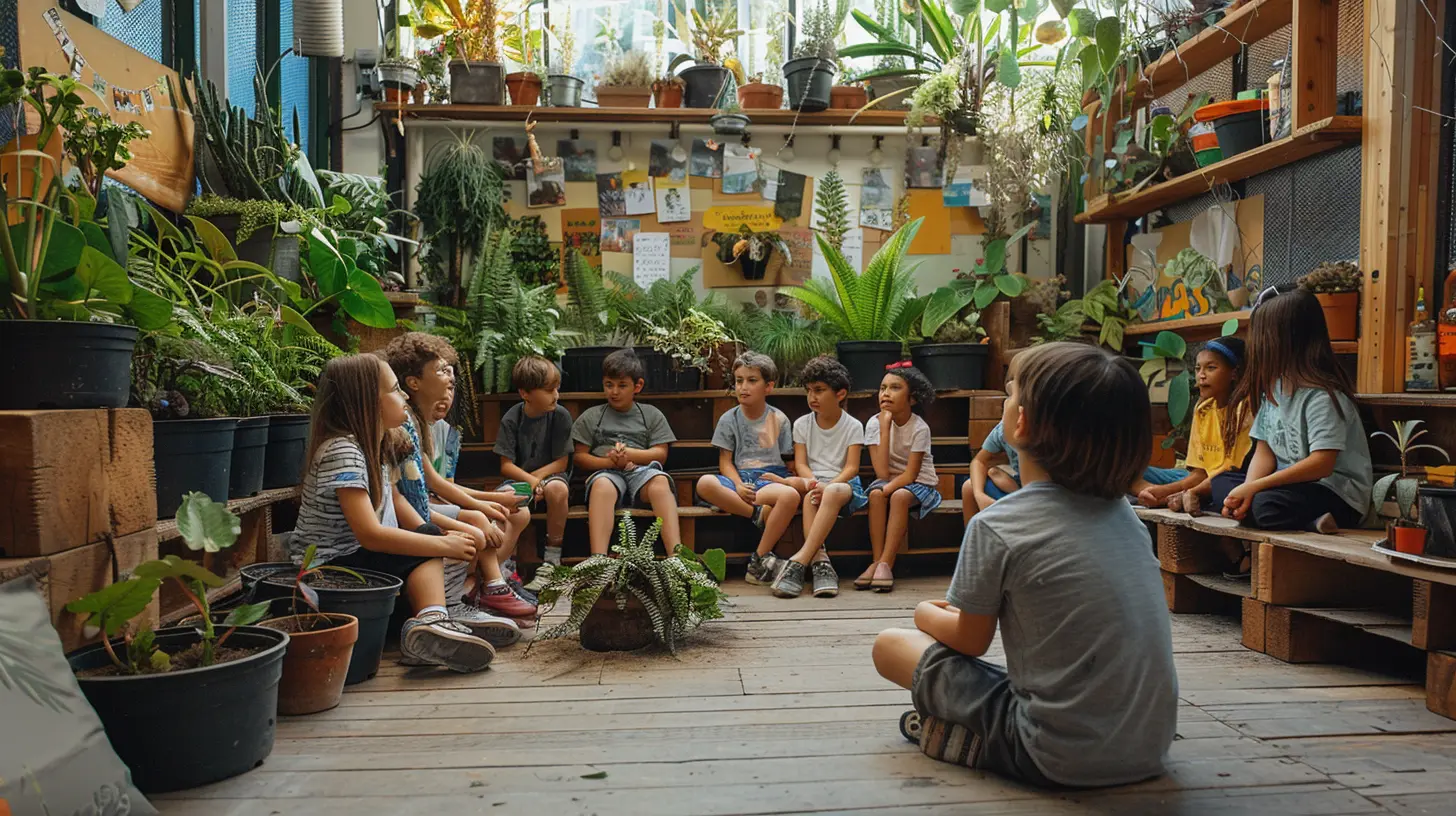
Who says you need to be in a forest to have an outdoor classroom? Urban schools are finding creative ways to bring outdoor education to their students. From transforming schoolyards into gardens to holding lessons in local parks, these outdoor classrooms provide a much-needed break from the four walls of a classroom.Outdoor learning not only makes environmental education more engaging but also helps students develop a deeper connection with the natural world—even in the heart of the city.
Sustainability Projects as Part of the Curriculum
Another way schools are innovating is by incorporating sustainability projects into the curriculum. For example, students might design and build a rainwater harvesting system for their school, or create a recycling program to reduce waste.These hands-on projects teach students important skills, like problem-solving and teamwork, while also addressing real-world environmental issues. Plus, they make learning more relevant and practical. After all, it’s one thing to learn about water conservation in a textbook, but it’s much more impactful to actually design a system that conserves water.
Challenges and Opportunities
Of course, implementing innovative environmental education in urban settings isn’t without its challenges. Space is often limited, funding can be tight, and not everyone has access to green spaces. But with these challenges come opportunities for creativity and innovation.Cities are constantly evolving, and as they do, new possibilities for environmental education emerge. Whether it’s through technology, community engagement, or reimagining the way we use urban spaces, the future of environmental education in cities is full of potential.
Conclusion: The Future of Environmental Education in Cities
Urban environments may not have the sprawling natural landscapes of rural areas, but that doesn’t mean they can’t be fertile ground for environmental education. With a little creativity and innovation, cities can become hubs for environmental learning and action.From rooftop gardens to augmented reality, there are countless ways to engage urban communities in environmental education. And perhaps most importantly, these approaches not only teach people about the environment—they empower them to protect it.
So, whether you’re an educator, a city planner, or just someone who cares about the planet, remember this: environmental education doesn’t have to be limited by geography. The city can be as much a classroom as any forest or field. All it takes is a little imagination and a lot of passion for the planet.
all images in this post were generated using AI tools
Category:
Environmental EducationAuthor:

Bethany Hudson