Strategies for Preventing School Vandalism and Property Damage
5 June 2026
School vandalism isn't just spray paint on lockers or broken windows. It’s a much deeper issue that reflects a lack of connection, supervision, and sometimes, purpose. And let’s be real—when school property gets damaged, it affects everyone: students, teachers, parents, and the entire community. It chips away at a safe learning environment and drains school budgets meant for books and supplies.
But here’s the good news: There are solid, proven strategies to prevent vandalism and property damage in schools. And no, it’s not all about installing more security cameras (although they do help). It’s about creating a well-rounded, people-first approach that stops problems before they even start.
So, whether you're a school administrator, a teacher, a concerned parent, or even a student—this guide’s for you.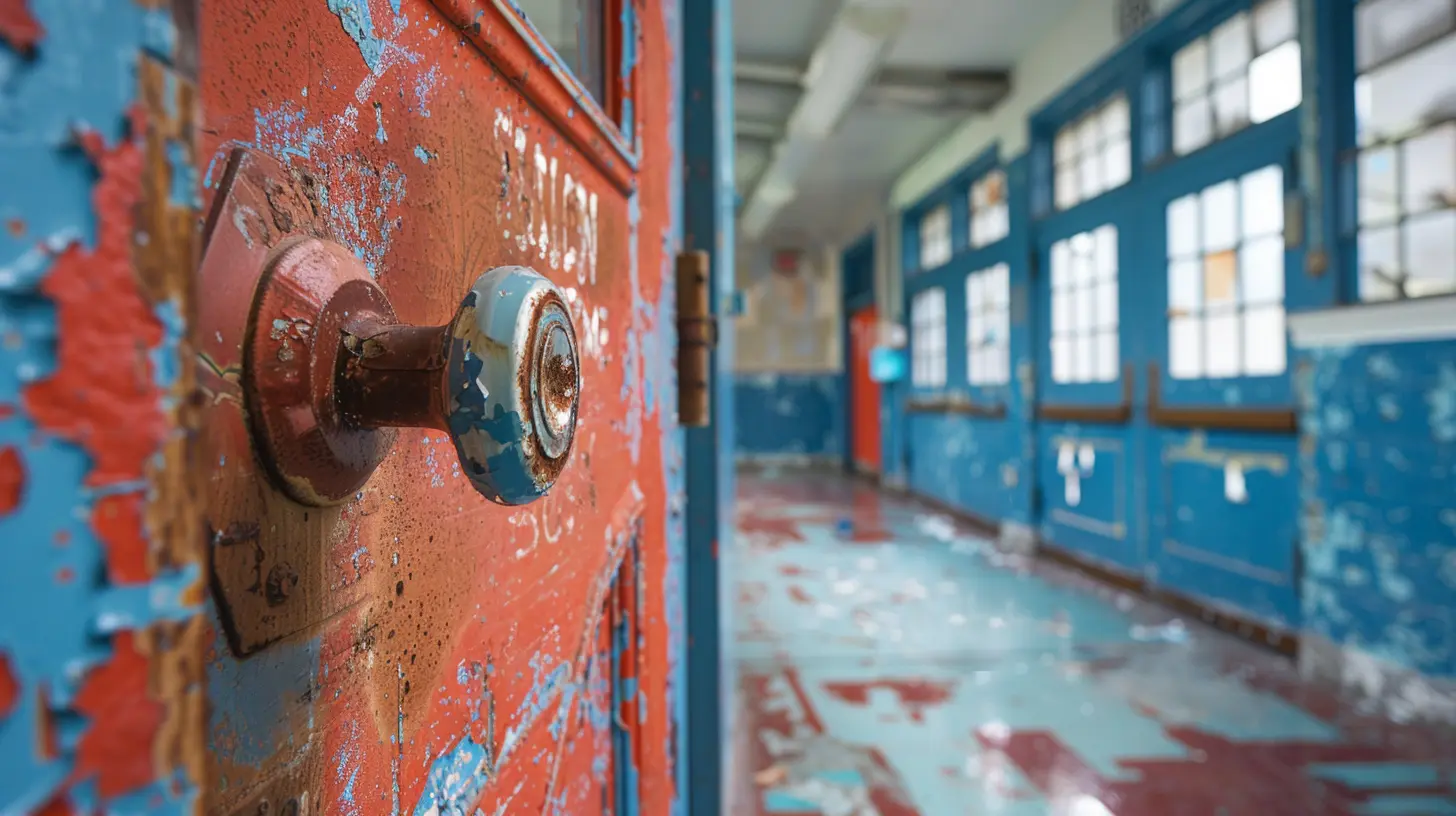
Understanding the Root Causes of School Vandalism
Before we dive into prevention, let’s talk about the “why.” Why do students vandalize school property?Honestly, it’s not always about being defiant or destructive. Sometimes it’s boredom. Sometimes it’s a cry for attention. Other times, it’s peer pressure or even retaliation. But one thing's certain: behavior is communication. When students damage property, they’re often sending a message—loud and clear.
Common Motives Behind Vandalism
- Lack of engagement: When students feel disconnected from school, they stop caring. If they don’t feel ownership, destruction becomes easy.- Peer pressure: Sometimes it’s about fitting in or impressing friends.
- Anger or frustration: Emotional outbursts can lead to destructive behavior.
- Lack of supervision: Idle hands and unsupervised moments are a dangerous combo.
- Societal influences: Media, neighborhood culture, and even online trends can play a role.
So, the key to prevention? Address these underlying issues head-on.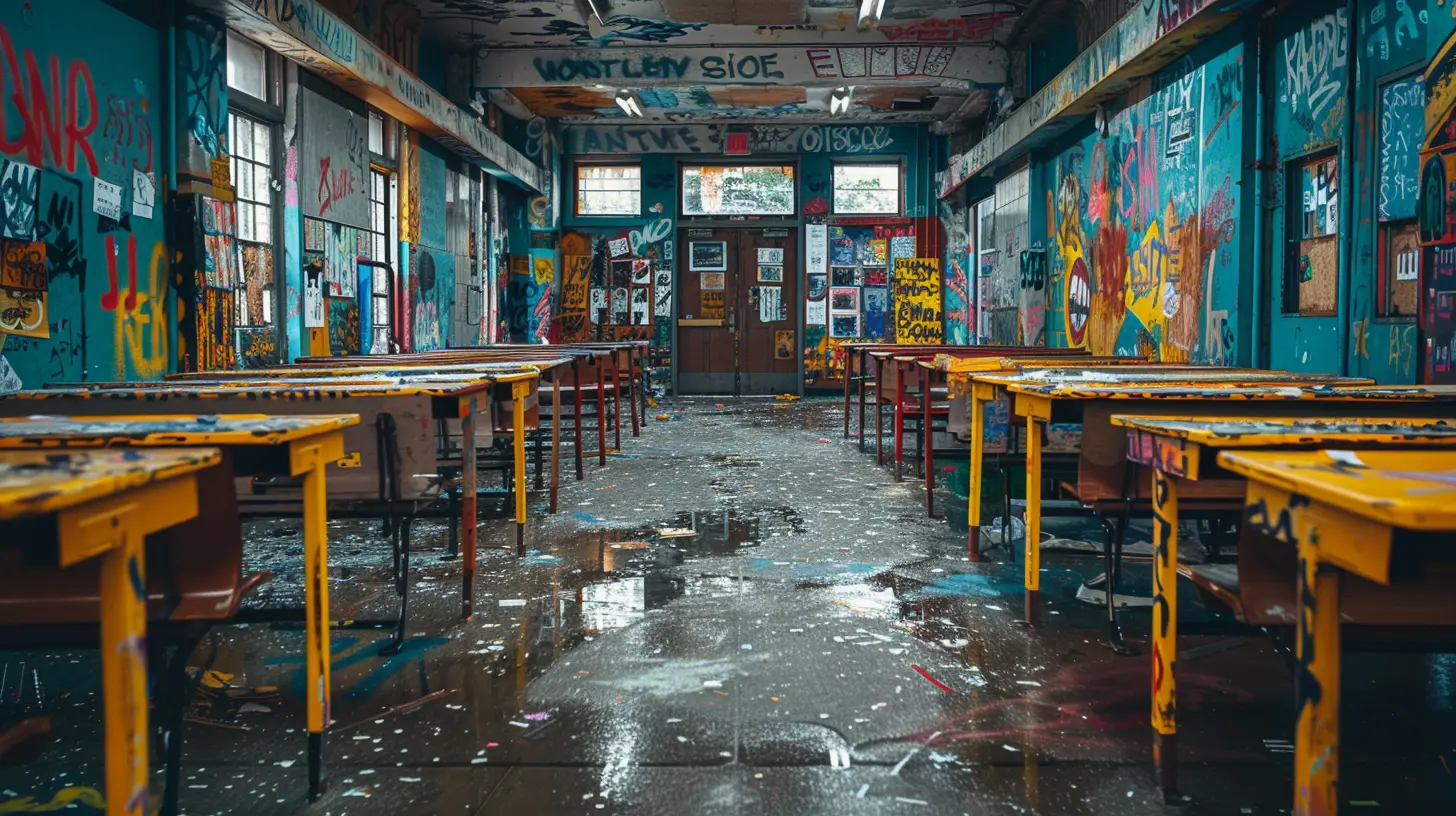
Strategy #1: Foster a Sense of School Pride and Ownership
Think about it—people are less likely to destroy something they feel connected to. Build school pride, and you automatically lower the risk of vandalism.How to Do It:
- Involve students in school beautification projects. Murals, gardens, or art installations give students a hands-on role in shaping their space.- Celebrate achievements and recognize positive behavior. When students feel seen and appreciated, they’re more likely to respect their surroundings.
- Create student councils or ambassador programs. Give students leadership roles, and they’ll lead by example.
This isn’t fluff—it’s powerful psychology. People protect what they value.
Strategy #2: Increase Staff Supervision and Presence
Let's face it, a visible adult presence is one of the simplest, most effective deterrents. It’s like when you're driving and suddenly spot a police car—you slow down, even if you weren’t speeding.Tactics to Amp Up Visibility:
- Position staff at key locations during transition times. Hallways, stairwells, bathrooms—these are hotspots.- Train staff to be proactive, not just reactive. A quick, friendly conversation or a raised eyebrow can go a long way.
- Encourage relationship building. When students know adults care, they tend to behave better.
Simply put, when adults are “around,” it changes the entire vibe.
Strategy #3: Engage the Community
A school doesn’t exist in a bubble. It's part of a bigger neighborhood ecosystem. When the community is involved, vandalism tends to drop.Community-Driven Ideas:
- Form partnerships with local businesses and law enforcement. Guest speakers, mentorship programs, and neighborhood watch-style efforts make a difference.- Host open school nights, festivals, and clean-up days. Get parents and neighbors into the building.
- Use local media to spread positivity. Highlight student success stories and community contributions.
When the community sees value in the school, they'll help protect it.
Strategy #4: Improve Physical Environment and Design
Here's a fun fact: the condition of a building influences behavior. It’s called the Broken Windows Theory. Basically, when a place looks neglected, people are more likely to treat it poorly.Smart Design for Safety:
- Use durable, vandal-resistant materials. Think anti-graffiti coatings or shatter-proof glass.- Install motion-sensor lighting. Darkness is an accomplice to destruction.
- Keep areas clean and well-maintained. Fix things fast, and you send a message that damage won’t be tolerated.
- Design open spaces with clear sightlines. Fewer hiding spots equal fewer incidents.
Environment shapes action—let's make that work in our favor.
Strategy #5: Educate Students on the Impact of Vandalism
You’d be surprised how many students don’t understand the true cost of their actions. Just telling them “don’t do it” won’t work. Show them why it matters.Teaching Ideas:
- Use real numbers. Share how much it costs to fix broken equipment.- Create classroom discussions. Talk about respect, responsibility, and citizenship.
- Bring in guest speakers. Previous offenders or community leaders can share real-life consequences.
- Use project-based learning. Assign students to come up with anti-vandalism campaigns.
When students know the “why,” they’re more likely to think twice before acting.
Strategy #6: Implement a Clear, Fair Discipline Policy
Consistency is key here. If rules are unclear or consequences are unevenly enforced, things spiral out of control fast.What a Good Policy Looks Like:
- Clear expectations and consequences. No grey areas.- Restorative justice options. Instead of suspension alone, have students fix what they’ve damaged.
- Progressive discipline. Start small and escalate only when needed.
- Strong communication. Keep parents in the loop early and often.
Remember, the goal is to correct behavior—not just punish it.
Strategy #7: Leverage Technology and Surveillance
Cameras aren’t about “spying.” They’re about accountability. And they work—especially when people know they’re being watched (hello, psychology again).Smart Tech Moves:
- Install cameras in strategic places. Focus on entrances, hallways, and isolated areas.- Use access control systems. Limit entry to certain areas based on ID badges or key cards.
- Monitor in real-time. Don’t just record—watch and respond.
- Use alarm systems for after-hours protection.
Technology is a tool—not the whole toolbox. Use it wisely.
Strategy #8: Encourage Peer Accountability
Students can be the best watchdogs—if they feel safe and supported. Creating a culture where students feel responsible for each other goes a long way.Ways to Build Peer Power:
- Start peer-mentoring programs. Older students guide younger ones.- Create anonymous tip lines. Let students report issues without fear.
- Celebrate students who report or prevent vandalism. Make heroes out of the helpers.
When students hold each other accountable, behavior shifts naturally.
Strategy #9: Offer Extracurricular Activities and Engagement
Here’s the deal—engaged students don’t destroy schools. They're too invested.Engagement Ideas:
- Expand after-school programs. Sports, music, theater, robotics—something for everyone.- Host weekend activities. Keep the building full and lively even outside class hours.
- Start student-led clubs. Empower students to lead their own initiatives.
Idle time is the enemy. Engagement is the antidote.
Strategy #10: Regularly Review and Adjust Your Approach
Prevention isn’t a one-time fix. It’s a living, breathing process. What works today might not work next semester.Keep Things Fresh:
- Hold monthly safety meetings. Involve students, staff, and parents.- Track incidents and trends. Look for patterns.
- Survey students and staff regularly. Get input on what’s working—and what’s not.
- Stay updated on best practices. Read, network, attend conferences.
Flexibility equals resilience. Stay ready.
Final Thoughts
Preventing school vandalism and property damage isn’t just about protecting buildings—it’s about protecting people and creating a place where learning thrives. It’s about showing students that their environment matters and that they matter too.There’s no magic wand. But with consistency, care, and community, any school can become a place that students respect and protect.
So let’s roll up our sleeves and make school a space where creativity flows, not destruction.
all images in this post were generated using AI tools
Category:
School SafetyAuthor:

Bethany Hudson
Discussion
rate this article
1 comments
Zander Hubbard
Great insights in this article! Effective strategies can really make a difference in maintaining a safe and respectful school environment.
June 8, 2026 at 12:15 PM
Bethany Hudson
Thank you! I'm glad you found the insights valuable. Creating a safe and respectful environment is key to preventing vandalism.