Teaching Ecology Through Interactive Games and Simulations
27 June 2026
Ecology is a fascinating subject that helps us understand the delicate balance of life on Earth. But let’s be honest—traditional lectures and textbook readings can sometimes make it feel more like a chore than an adventure. That’s where interactive games and simulations come in!
Imagine turning your classroom into a virtual rainforest, where students can "become" animals, manage ecosystems, and even experiment with environmental changes. Sounds fun, right? In this article, we’ll dive into why interactive learning is a game-changer for teaching ecology and explore some of the best educational games and simulations available. 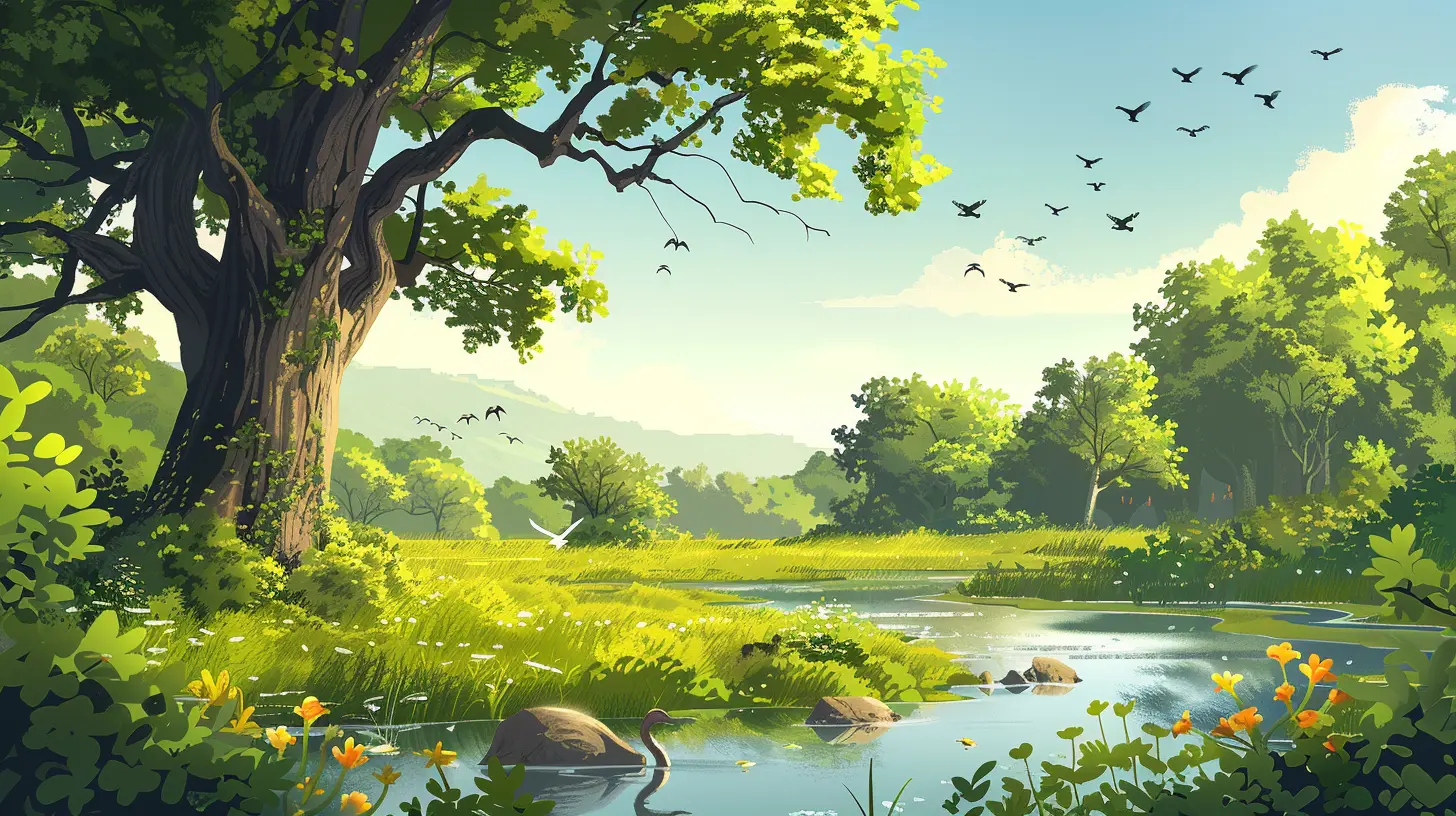
Why Use Games and Simulations to Teach Ecology?
Think about how much time kids (and even adults) spend glued to their screens playing video games. Now, what if that gaming energy could be channeled into something educational? Interactive learning through games and simulations offers several key benefits:1. Engagement Levels Skyrocket
Let’s face it—students love games. When learning feels like play, participation naturally increases. Instead of passively absorbing information, students actively engage with the subject. They make decisions, solve problems, and experience the consequences of their actions firsthand.2. Complex Concepts Become Tangible
Ecology involves intricate relationships between organisms, ecosystems, and environmental factors. Games and simulations make these abstract ideas more concrete. Rather than just reading about food chains, students can simulate predator-prey interactions and see how energy flows through an ecosystem.3. Encourages Critical Thinking
Interactive learning forces students to apply knowledge rather than memorize facts. By making choices in a game, they develop problem-solving skills, analyze outcomes, and gain a deeper understanding of ecological dynamics.4. Safe Space for Experimentation
One of the best things about virtual simulations is that students can test and observe environmental changes without real-world consequences. They can alter variables, introduce invasive species, or simulate pollution to see long-term effects.
Best Interactive Games & Simulations for Teaching Ecology
Now that we've established why interactive learning rocks, let’s look at some exciting tools that make ecology lessons come alive.1. Eco (Strange Loop Games)
- Best For: Middle school to college-level students- Platform: PC
- Why It Works: In Eco, players collaborate to build a civilization while maintaining ecological balance. Every decision—whether it’s cutting down trees, hunting wildlife, or building structures—affects the environment. This game teaches sustainable resource management in a way that no textbook ever could.
2. SimCity (Environmental Expansion Packs)
- Best For: Middle and high school students- Platform: PC, Mac
- Why It Works: City-building games like SimCity include environmental challenges such as pollution, waste management, and energy production. Students learn how urban planning impacts ecosystems and must make decisions that balance growth with sustainability.
3. Food Chain Game (Sheppard Software)
- Best For: Elementary and middle school students- Platform: Online browser-based
- Why It Works: This simple interactive game helps younger students grasp food chain relationships. They match predators with prey, reinforcing the concept of energy transfer in ecosystems.
4. Mission: Biomes (NASA)
- Best For: Middle school students- Platform: Online browser-based
- Why It Works: NASA’s simulation allows students to explore different biomes and understand how climate affects ecosystems. They can experiment with factors like temperature and precipitation to see how changes impact plant and animal life.
5. Project WET’s Water Games
- Best For: All age groups- Platform: Printable and online activities
- Why It Works: These interactive lessons teach students about water cycles, pollution, and conservation through fun, hands-on activities.
6. WolfQuest
- Best For: Middle and high school students- Platform: PC, Mac
- Why It Works: WolfQuest immerses students in the life of a wolf in Yellowstone National Park. They hunt for food, form packs, and compete for survival, gaining a deep appreciation for predator-prey relationships and wildlife conservation.

DIY Interactive Ecology Activities
Not all interactive learning has to come from digital platforms. Sometimes, the best way to understand ecology is through classroom-based activities. Here are a few engaging hands-on games that require minimal materials but offer maximum impact:1. Ecosystem Jenga
- How to Play: Write different ecosystem components (e.g., plants, water, insects, predators) on Jenga blocks. As students remove blocks, discuss how eliminating certain species affects the ecosystem’s balance.- Lesson: Teaches the concept of biodiversity and ecological interdependence.
2. Pollution Experiment
- Materials Needed: Clear cups of water, food coloring, coffee filters, and cotton balls.- How to Play: Add "pollution" (food coloring) to water and challenge students to filter it using different materials.
- Lesson: Demonstrates how pollution spreads and the challenges of cleaning contaminated environments.
3. Survival Tag
- How to Play: Assign students different roles (predators, prey, decomposers) and have them “hunt” or "survive" in a designated area. Change survival conditions each round.- Lesson: Shows how ecosystems maintain balance and what happens when populations shift.
How to Integrate Games into Your Curriculum
Using games in the classroom isn’t just about playing for fun—it’s about reinforcing key ecological concepts. Here’s how to integrate them effectively:1. Align Games with Lesson Objectives – Choose games that directly support the topics you’re teaching.
2. Facilitate Discussions – After each simulation, have students reflect on what they learned. Ask questions like:
- What decisions did you make, and how did they impact the ecosystem?
- What challenges did you face in maintaining ecological balance?
3. Combine With Traditional Learning – Use games alongside readings, videos, and hands-on experiments for a well-rounded approach.
The Future of Ecology Education
As technology advances, virtual reality (VR) and artificial intelligence (AI) are making interactive learning even more immersive. Imagine students exploring the Amazon rainforest through VR or using AI to predict how climate change affects coral reefs. The future of education is exciting, and interactive games are leading the way in making ecology more engaging, meaningful, and impactful.So, whether you're a teacher looking to spice up your lessons or a student eager to explore ecology in a fun way, interactive games and simulations offer an incredible learning experience.
After all, the best way to understand nature is to step into its shoes—even if it’s through a computer screen!
all images in this post were generated using AI tools
Category:
Environmental EducationAuthor:

Bethany Hudson
Discussion
rate this article
1 comments
Otis Underwood
Great ideas! Engaging students with games can really enhance their understanding of ecology concepts.
June 27, 2026 at 2:45 AM
Bethany Hudson
Thanks for your feedback! I completely agree that games can make learning about ecology much more enjoyable and effective.