The Evolution of Virtual Classrooms in E-Learning Platforms
20 November 2026
The landscape of education has undergone a significant transformation in recent years, particularly with the rise of e-learning platforms. Virtual classrooms have emerged as a central feature, reshaping how knowledge is imparted and consumed. This article delves into the evolution of virtual classrooms, examining their historical context, technological advancements, pedagogical shifts, and the implications for educators and learners alike.
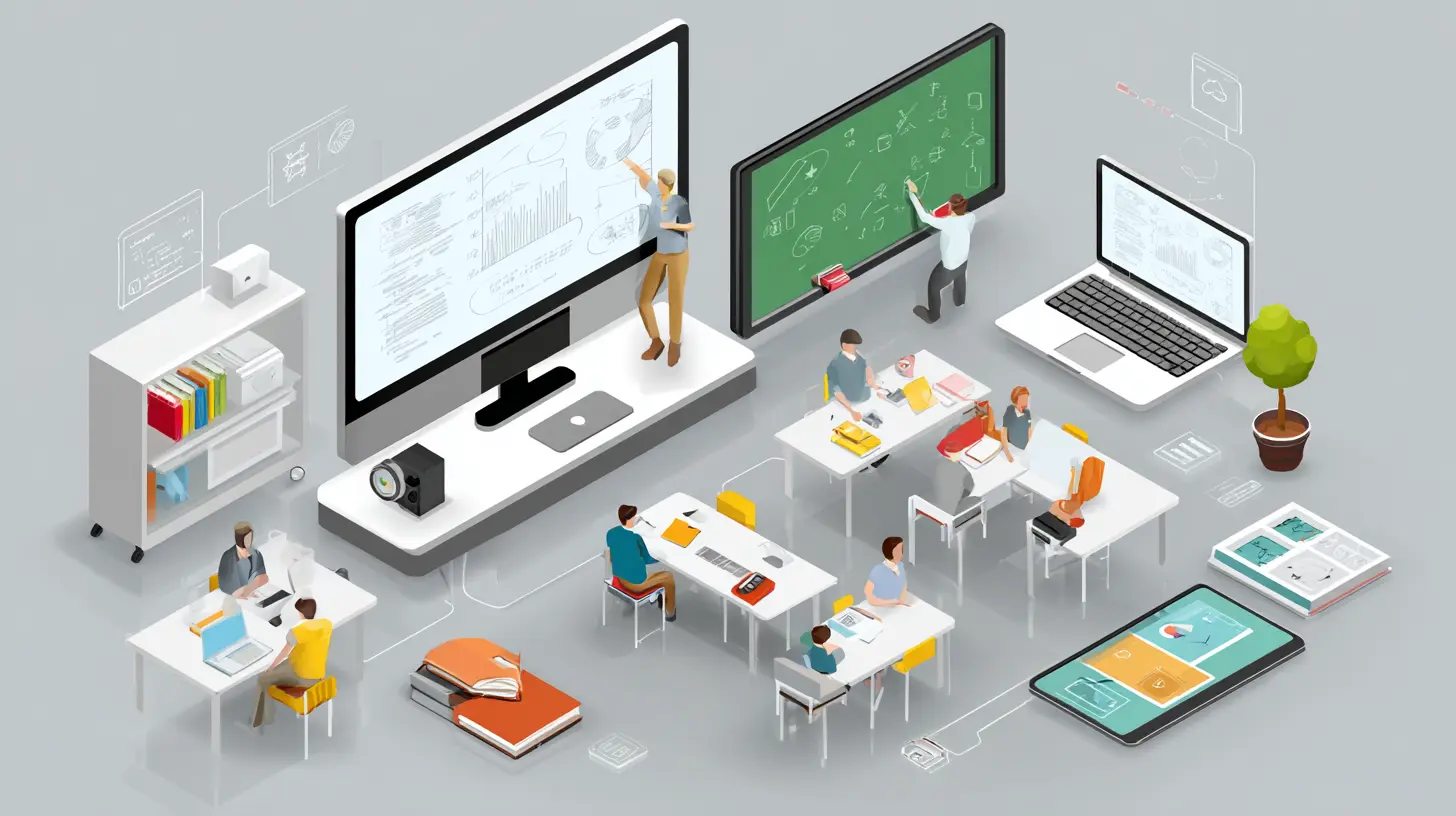
Historical Context
The Early Days of Distance Education
Distance education can be traced back to the late 1800s with correspondence courses. These were rudimentary in nature, relying heavily on postal services to deliver materials to students. As technology advanced, so did the methods of delivering education. The introduction of radio and television in the 20th century broadened the reach of educational content, albeit still in a one-way format.The Birth of E-Learning
The 1990s marked a significant turning point with the advent of the internet. E-learning began to take shape, allowing for more interactive and engaging content. Institutions started to create online courses, but the technology was limited. Early virtual classrooms often resembled simple chat rooms or forums, where students could communicate with instructors and peers but lacked the dynamic features we see today.
Technological Advancements
The Rise of Multimedia Content
As internet speeds increased and bandwidth became more accessible, e-learning platforms began incorporating multimedia elements. Videos, animations, and interactive quizzes became standard features. This shift not only enhanced engagement but also catered to various learning styles, allowing visual and auditory learners to thrive.Real-Time Interaction
The introduction of web conferencing tools marked a significant advancement in virtual classrooms. Platforms like Zoom, Microsoft Teams, and Google Meet allowed for real-time interaction between students and instructors. This two-way communication mimicked traditional classroom settings and fostered a sense of community among participants.Mobile Learning
With the proliferation of smartphones and tablets, the concept of mobile learning emerged. Virtual classrooms became accessible on various devices, allowing learners to engage with content anytime, anywhere. This flexibility has proven crucial for adult learners balancing education with work and family responsibilities.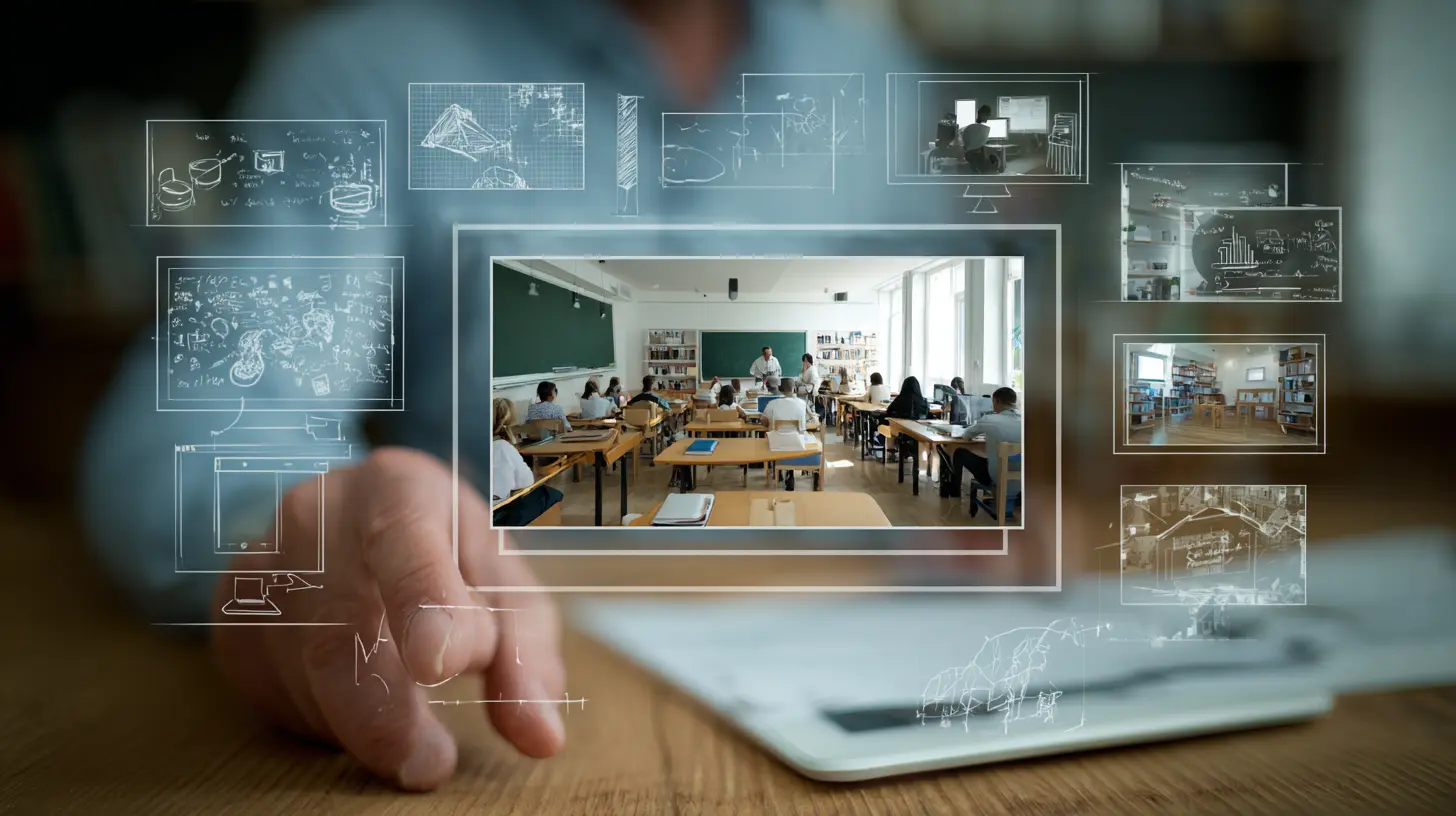
Pedagogical Shifts
Constructivist Approaches
The evolution of virtual classrooms has been closely tied to changes in educational theories. Constructivist approaches emphasize active learning, where students construct their own understanding through experiences. Virtual classrooms facilitate this through collaborative projects, discussions, and peer evaluations, fostering deeper learning.Personalized Learning
E-learning platforms are increasingly leveraging data analytics and artificial intelligence to create personalized learning experiences. By tracking student progress and engagement, educators can tailor content to meet individual needs. This adaptability has shown to enhance motivation and improve learning outcomes.The Flipped Classroom Model
The flipped classroom model has gained traction within virtual classrooms. Here, traditional lecture content is delivered online, allowing class time to be dedicated to interactive activities. This model empowers students to learn at their own pace and engage more deeply during synchronous sessions.
Implications for Educators
The Role of the Educator
With the rise of virtual classrooms, the role of educators has evolved from information deliverers to facilitators of learning. Instructors must now design engaging content, foster discussions, and provide timely feedback. This shift requires new skill sets, including proficiency with technology and the ability to create inclusive learning environments.Common Pitfalls
Despite advancements, many educators fall into common traps when transitioning to virtual classrooms. One mistake is underestimating the importance of community building. In an online environment, students may feel isolated, leading to disengagement. Educators should prioritize creating opportunities for interaction, both among students and between students and instructors.Professional Development
Continuous professional development is essential for educators navigating virtual classrooms. Training should focus not only on technological tools but also on effective online pedagogies. Institutions should foster a culture of innovation, encouraging educators to experiment and share best practices.Implications for Learners
The Student Experience
For students, virtual classrooms offer unprecedented flexibility and access. However, this autonomy comes with challenges. Self-discipline becomes essential, as the line between home and school blurs. Students may struggle with time management and motivation in an unstructured learning environment.Equity and Access
While virtual classrooms can democratize education, they also risk exacerbating existing inequalities. Access to reliable internet and technology is not universal, which can hinder participation for some students. Educational institutions must address these disparities to ensure equitable access to learning opportunities.Building Skills for the Future
Virtual classrooms prepare students for a workforce increasingly reliant on technology. Skills such as digital literacy, online collaboration, and self-directed learning are essential. Educators should explicitly teach these competencies within the curriculum, equipping students for future success.
Challenges and Considerations
Maintaining Engagement
One of the most significant challenges in virtual classrooms is maintaining student engagement. Traditional lectures may not translate well to an online format, leading to boredom and disengagement. Educators must employ varied instructional strategies, such as breakout sessions, polls, and interactive activities, to keep learners involved.Assessing Learning Outcomes
Assessing student performance in virtual classrooms can be complex. Traditional assessment methods may not effectively measure learning in an online context. Educators should consider formative assessments, peer evaluations, and project-based learning to gain a more comprehensive view of student understanding.Technology Dependence
The reliance on technology for virtual classrooms presents both opportunities and risks. While technology can enhance learning, it can also lead to technical difficulties that disrupt instruction. Educators should be prepared to troubleshoot common issues and have backup plans in place.The Future of Virtual Classrooms
Hybrid Learning Models
The pandemic accelerated the adoption of hybrid learning models, which blend in-person and online experiences. This approach offers flexibility while maintaining the social aspects of traditional classrooms. As institutions refine these models, they will likely incorporate elements that maximize the strengths of both environments.Continued Innovation
Innovation in virtual classroom technology is ongoing. Future developments may include virtual reality and augmented reality, providing immersive learning experiences. These technologies have the potential to transform how students interact with content, making learning more engaging and effective.Lifelong Learning
As the pace of change in the job market accelerates, the importance of lifelong learning cannot be overstated. Virtual classrooms will play a crucial role in providing continuous education opportunities for professionals seeking to upskill or reskill. Institutions must adapt to these demands, offering relevant and accessible courses.
Conclusion
The evolution of virtual classrooms in e-learning platforms represents a profound shift in education. As technology continues to advance, so too will the methods of teaching and learning. Educators and institutions must embrace these changes, ensuring that they provide enriching experiences for learners. By understanding the historical context, technological advancements, and pedagogical shifts, stakeholders can navigate the complexities of virtual education effectively.
all images in this post were generated using AI tools
Category:
E Learning PlatformsAuthor:

Bethany Hudson