The Rise of Hybrid Campus Life in 2026
10 September 2026
The year 2026 will not be remembered as the year online learning replaced the university campus. Nor will it be the year everyone returned to the pre-pandemic normal of 2019. Instead, it is shaping up to be the year the hybrid campus finally grew up. After years of emergency remote teaching, rushed returns, and half-hearted blended experiments, colleges and universities are now building something more intentional. The result is a campus experience that is neither fully physical nor fully digital, but a carefully negotiated space between the two. This shift is not just about technology. It is about redefining what a university is for, who gets to be part of it, and how learning actually happens.
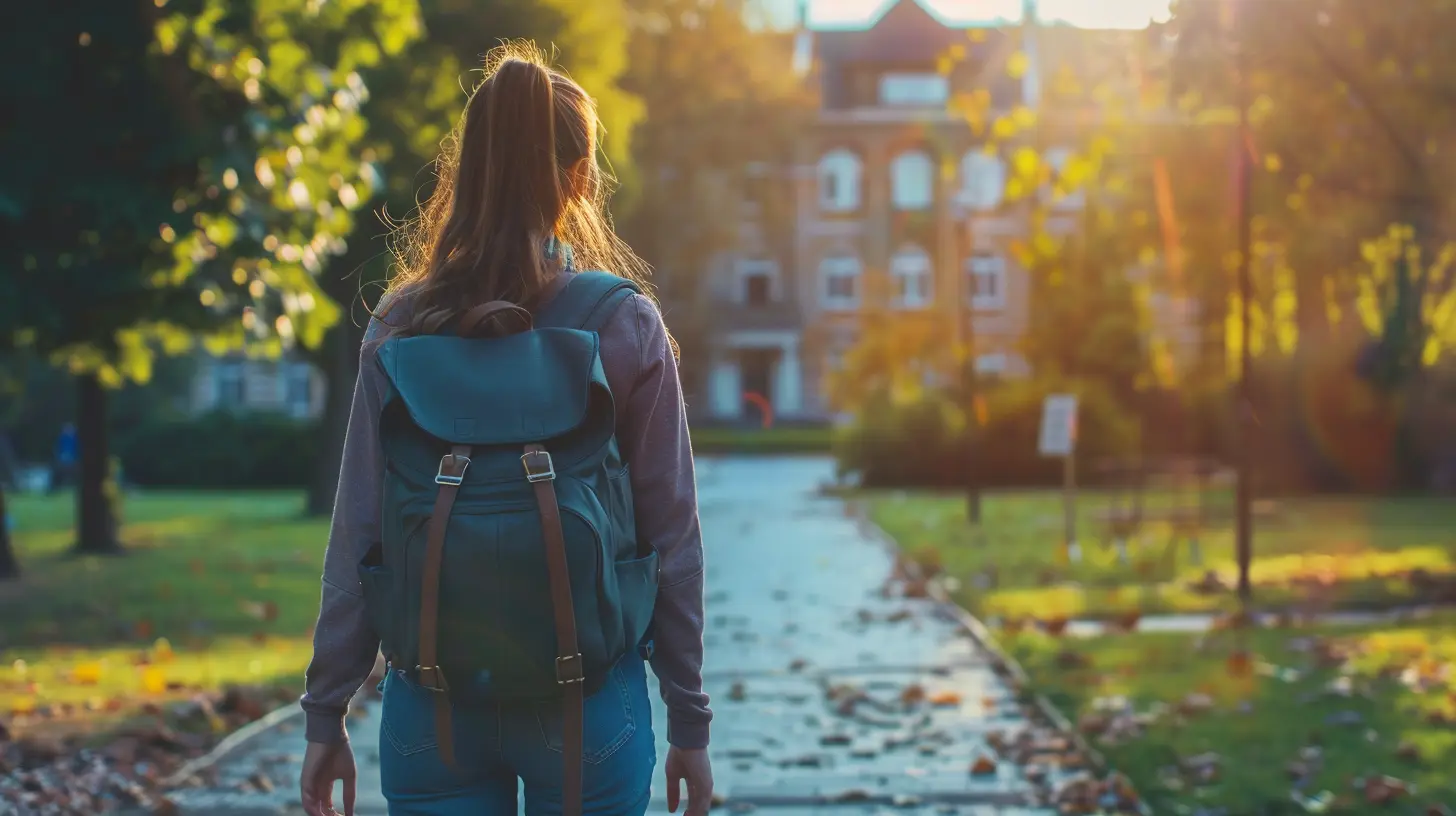
The End of the Either/Or Debate
For most of the early 2020s, the conversation about higher education's future was stuck in a false binary. On one side were the traditionalists who argued that the residential campus was irreplaceable, pointing to the value of face-to-face mentorship, spontaneous hallway conversations, and the social development that comes from living among peers. On the other side were the techno-optimists who predicted that massive open online courses and virtual reality would make physical campuses obsolete, offering education at a fraction of the cost to anyone with an internet connection.Both sides were wrong, but not for the reasons their opponents assumed. The traditionalists underestimated how much of campus life was actually inefficient ritual rather than meaningful interaction. The techno-optimists ignored the fact that learning is deeply social and contextual, and that a video lecture is not the same as a seminar discussion, no matter how good the production quality is.
By 2026, the debate has largely dissolved. The question is no longer whether hybrid learning should exist, but how to design it well. The pandemic forced every institution to build digital infrastructure, but most of that infrastructure was designed for crisis, not for quality. The current moment is about retrofitting those systems with pedagogical intention. It is about asking which parts of the academic experience are genuinely improved by digital delivery, which parts lose something essential, and which parts can be transformed into something new entirely.
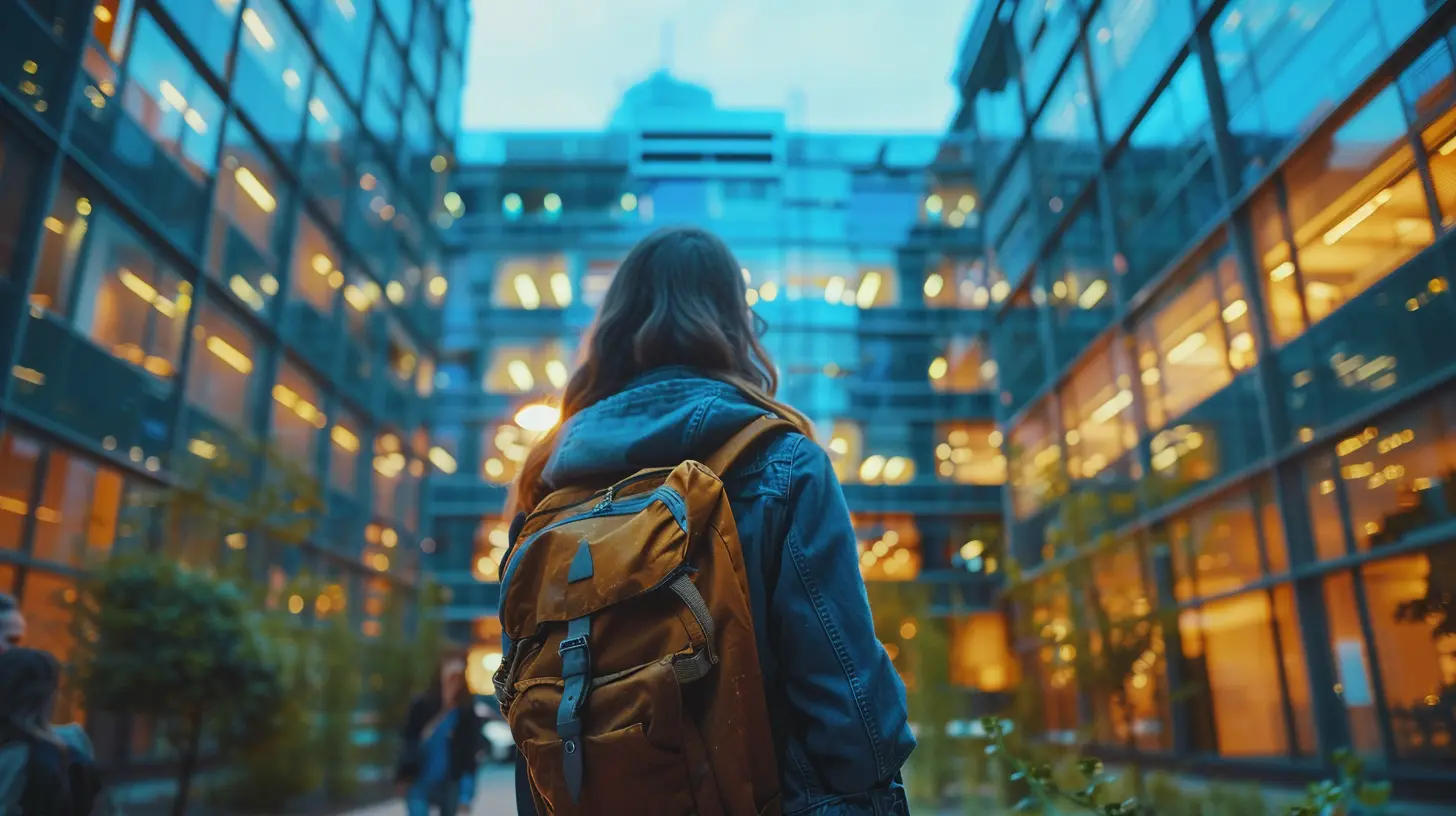
What Hybrid Campus Life Actually Looks Like
The term hybrid campus can mean many things, and that ambiguity has caused no small amount of confusion. For some institutions, it means that lectures are recorded and available online while everything else remains unchanged. For others, it means that students can choose to attend any class either in person or via video conference. Still others have adopted a more radical model where entire programs are designed to rotate students through intensive on-campus residencies interspersed with long periods of remote work.The most successful models in 2026 share a few common characteristics. First, they treat the physical and digital spaces as complementary rather than redundant. A lecture that is simply broadcast to remote students is not hybrid; it is a bad experience for both groups. The in-person students feel like they are performing for a camera, and the remote students feel like passive observers. Good hybrid design uses the digital space for what it does well, such as asynchronous discussion forums, collaborative documents, and personalized feedback loops, while reserving the physical space for what it does well, such as hands-on laboratory work, small-group problem solving, and the kind of spontaneous exchange that only happens when people share a room.
Second, successful hybrid programs are explicit about expectations. Students are not left to guess whether attendance is mandatory, whether participation means speaking in class or contributing to an online thread, or whether they will be penalized for choosing the remote option on a given day. The best programs publish clear guidelines at the start of each term, and faculty members are trained to facilitate both modes simultaneously without letting one dominate.
Third, the hybrid campus extends beyond the classroom. Advising appointments, career counseling, mental health services, and even social events now operate on a spectrum of presence. A student who is feeling unwell can still attend a virtual study group. A student who lives off campus can join a club meeting without commuting. An alumna in another country can mentor a current student through a video call. The campus is no longer a place you have to be, but a network you belong to.
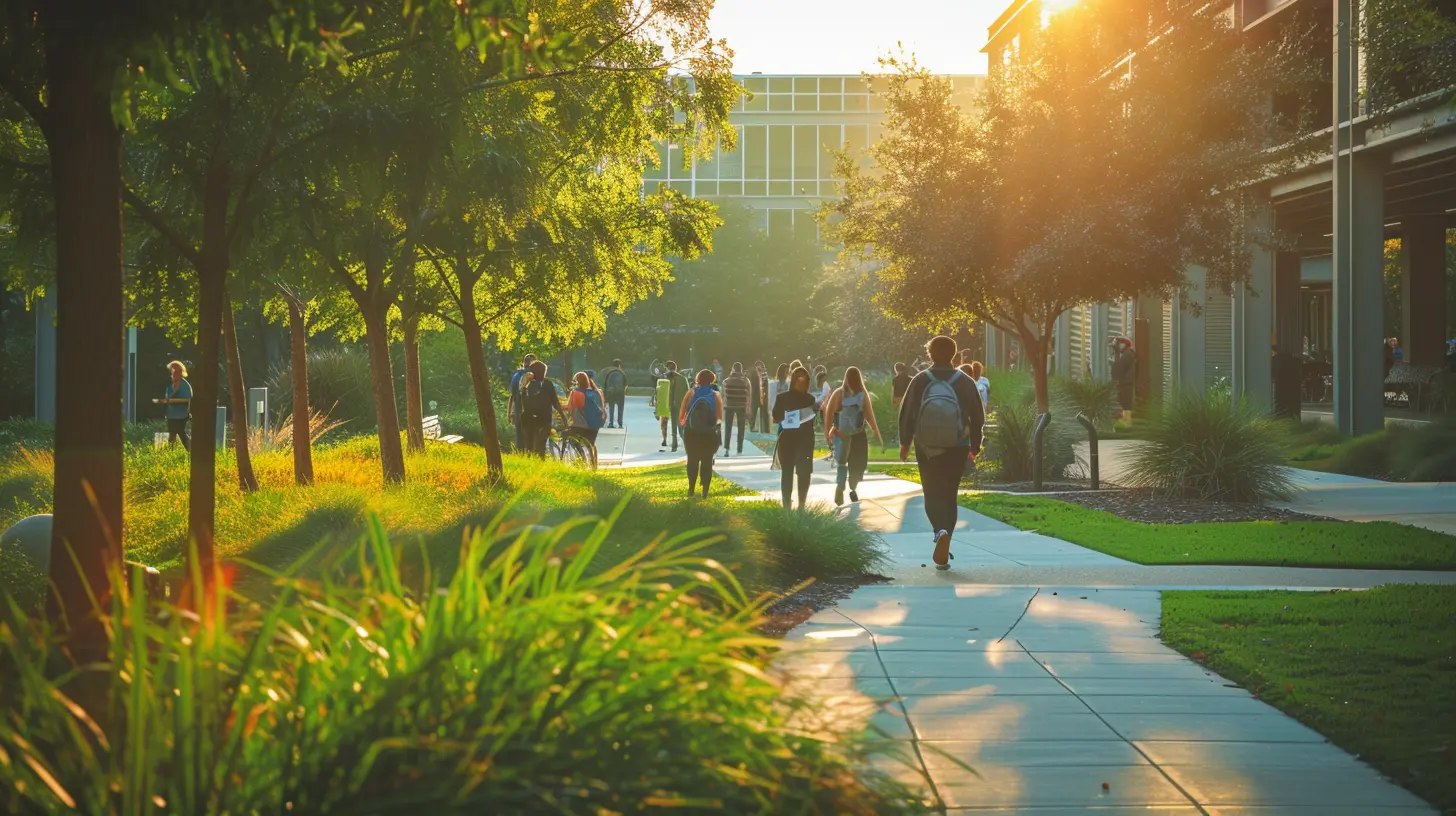
The Hidden Costs and Trade-Offs
It would be easy to paint this picture as entirely positive, but the hybrid campus comes with real costs that institutions and students are only beginning to fully understand.The most obvious cost is financial. Maintaining a physical campus is expensive, and maintaining a high-quality digital infrastructure on top of it is doubly so. Classrooms need to be equipped with cameras, microphones, and display systems that can handle multiple video feeds without lag. IT departments need to support a growing number of devices and platforms. Faculty need training and ongoing technical support. All of this costs money, and that money has to come from somewhere, usually tuition or state appropriations. Smaller institutions and community colleges are feeling this pressure most acutely, and some are making difficult choices about which programs can afford to be hybrid and which must remain strictly in person or fully online.
There are also less visible costs. The always-on nature of hybrid learning can blur the boundaries between academic life and personal life. Students who attend class from their bedrooms report higher levels of distraction and difficulty concentrating. Faculty members describe the exhaustion of managing a split attention between the students in the room and the students on the screen, often feeling that they are doing both groups a disservice. The convenience of remote participation can also erode the sense of community that comes from shared physical presence. A student who never sets foot on campus may complete an entire degree without ever forming a close friendship with a classmate, and that is a real loss, even if the academic outcomes are identical.
Another trade-off has to do with equity. Hybrid models assume that all students have reliable internet access, a quiet place to study, and the self-discipline to manage their own time. That assumption is not always valid. Students from low-income backgrounds, first-generation students, and those with demanding jobs or caregiving responsibilities may find that the flexibility of hybrid learning is actually a burden. They may feel pressure to choose the remote option even when they would benefit more from in-person instruction, simply because it is logistically easier. Institutions that are serious about equity need to build in supports for these students, such as campus spaces where remote learners can come to access high-speed internet, or structured check-ins that help students stay on track.
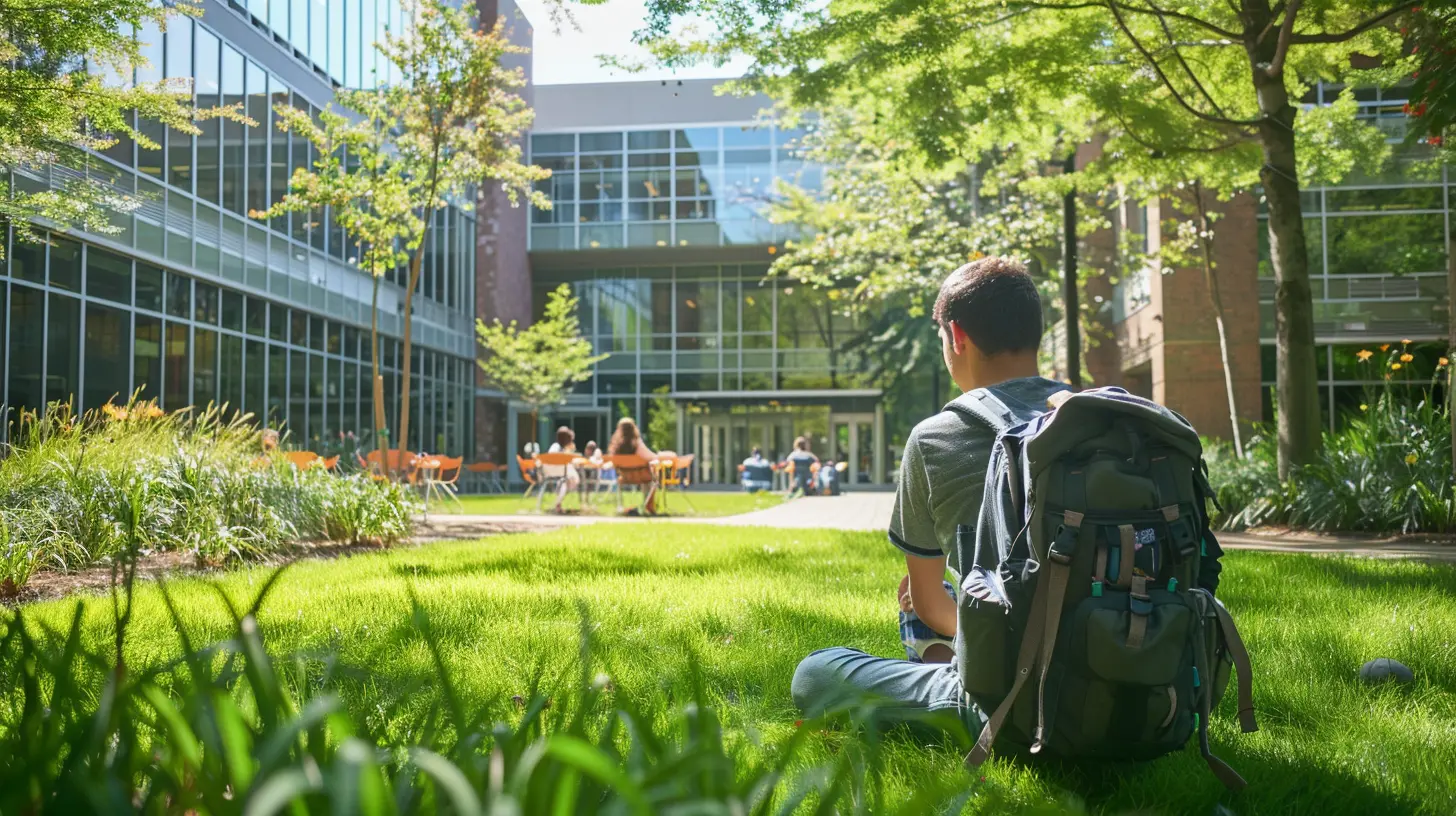
The Pedagogy of Presence and Absence
One of the most interesting developments in hybrid campus life is the emergence of a more sophisticated understanding of presence. In the early days of remote learning, the assumption was that presence meant being visible on camera and actively speaking. Students who did not turn on their cameras were often assumed to be disengaged. By 2026, that assumption has been largely overturned.Research and practical experience have shown that participation takes many forms. Some students are highly engaged while listening quietly, taking notes, and reflecting on what others have said. Others contribute best through written channels, where they have time to formulate their thoughts. The hybrid campus has forced educators to move away from a narrow definition of participation based on verbal dominance and toward a more inclusive model that values different kinds of contribution.
This has implications for how classes are designed. A well-run hybrid seminar might begin with a synchronous discussion in which both in-person and remote students speak, but it might also include an asynchronous component where students post responses to a shared document or discussion board. The goal is not to make every student speak in every session, but to create multiple pathways for engagement. This approach is more work for faculty, who have to monitor several channels of communication, but it often results in richer discussions and better outcomes for students who would otherwise be silent.
There is also a growing recognition that absence can be a legitimate choice, not a failure. A student who skips a lecture to work on a project, attend a job interview, or simply rest is not necessarily being lazy. The hybrid campus allows for a more fluid relationship with time and space, and institutions that embrace this flexibility are finding that students are more willing to take responsibility for their own learning. The key is to make sure that absence is a choice, not a default, and that students have clear ways to catch up on what they missed.
The Role of Faculty and the Changing Nature of Academic Work
Faculty members are the linchpin of the hybrid campus, and their experience is often overlooked in institutional planning. Teaching in a hybrid environment is genuinely harder than teaching in a single mode. It requires constant attention to multiple audiences, rapid switching between different tools, and a willingness to adapt on the fly when technology fails. It also requires a level of emotional labor that is rarely acknowledged. Faculty members are expected to build rapport with students they may never meet in person, to be available across time zones, and to manage the expectations of students who have very different preferences for how they want to learn.Some institutions have responded by reducing teaching loads for faculty who teach hybrid courses, or by providing them with teaching assistants who handle the technical aspects of the classroom. Others have created faculty development programs that focus specifically on hybrid pedagogy, rather than treating it as an extension of in-person teaching. These programs emphasize practical skills, such as how to design activities that work equally well for remote and in-person participants, how to give feedback that is timely and personal across digital channels, and how to create a sense of community in a class where students may never all be in the same room.
There is also a generational dimension to this. Younger faculty members, who grew up with digital tools, often adapt more easily to hybrid teaching, but they may lack experience with the subtle dynamics of in-person discussion. Older faculty members may have deep expertise in facilitating face-to-face seminars but struggle with the technical demands of a hybrid classroom. The best institutions are creating mentorship programs that pair faculty from different backgrounds, allowing them to learn from each other rather than expecting everyone to master everything on their own.
The Student Experience and the New Definition of Campus Community
Students in 2026 have very different expectations than their predecessors. They have experienced both the isolation of fully remote learning and the rigidity of fully in-person learning, and they are looking for something in between. They want flexibility, but they also want connection. They want to be able to work at their own pace, but they also want structure and accountability. They want to build relationships with their peers and professors, but they do not necessarily need those relationships to be built in a physical classroom.This has led to the emergence of what might be called the distributed campus community. Students who live off campus, work part-time jobs, or have family responsibilities can still feel like they are part of the university. They can attend virtual office hours, join online study groups, and participate in student organizations through a combination of synchronous and asynchronous activities. The university is no longer a place they visit; it is a set of services and relationships that they access from wherever they are.
But this new model also requires students to develop skills that were not previously emphasized. Time management, self-advocacy, and digital communication are now essential for academic success. Students who struggle with these skills often flounder in a hybrid environment, and institutions are increasingly offering workshops and coaching to help them adapt. The most effective programs do not assume that students already know how to be hybrid learners. They teach it explicitly, just as they teach writing or quantitative reasoning.
There is also a social dimension that is often underestimated. The hybrid campus can be lonely. Students who attend most of their classes remotely may miss out on the casual interactions that build friendships and professional networks. Some institutions are addressing this by creating hybrid social spaces, such as virtual lounges where students can drop in and chat, or by organizing regular in-person events that are specifically designed to bring remote and on-campus students together. These efforts are not always successful, and they require careful facilitation to avoid creating a two-tiered community where remote students feel like second-class citizens.
The Physical Campus Reinvented
One of the most surprising outcomes of the hybrid shift is that the physical campus is not disappearing. In fact, in many places, it is being used more intentionally than ever before. The old model of a campus as a collection of lecture halls and classrooms is giving way to a new model that emphasizes spaces for active learning, collaboration, and community building.Libraries are being redesigned as flexible workspaces that can accommodate both individual study and group projects. Student unions are adding more lounge areas and food options, recognizing that students come to campus not just for classes but for social interaction. Classrooms are being built with movable furniture, multiple screens, and advanced audio systems that make it easy to switch between different modes of teaching. Even outdoor spaces are being reconsidered, with more seating, Wi-Fi coverage, and weather protection to encourage students to spend time on campus between their commitments.
The key insight is that the physical campus is no longer the default location for learning. It is one option among several, and it needs to offer something that the digital space cannot. That something might be hands-on experience with specialized equipment, face-to-face collaboration on a complex project, or simply the feeling of being in a community of scholars. Institutions that understand this are investing in the kinds of spaces and experiences that cannot be replicated online, rather than trying to make their physical campus look like a more comfortable version of a video conference.
Common Misconceptions and Mistakes
Despite the progress that has been made, there are still many misconceptions about hybrid campus life that lead to poor decisions.One of the most common is the belief that hybrid learning is simply a matter of recording lectures and posting them online. This approach fails because it treats the digital component as a passive archive rather than an active learning environment. Students who watch recorded lectures at double speed are not engaging with the material in the same way as students who participate in a live discussion. The recording is a supplement, not a substitute.
Another mistake is assuming that all students want the same level of flexibility. Some students thrive in a fully asynchronous environment, while others need the structure of scheduled class times to stay motivated. A good hybrid program offers multiple paths through the same material, allowing students to choose the level of synchrony that works for them. This is more work to design, but it leads to better outcomes.
A third misconception is that hybrid learning is cheaper than traditional education. In reality, it often costs more, at least initially, because of the investment in technology, training, and support. The savings come later, if at all, and they are more likely to come from reduced facilities costs than from reduced staffing. Institutions that go into hybrid learning expecting to save money are often disappointed.
There is also a tendency to overestimate the role of technology and underestimate the role of human relationships. A hybrid course can have the best video platform, the most sophisticated learning management system, and the most beautiful digital content, but it will still fail if the instructor does not build a sense of trust and connection with the students. The technology is a tool, not a solution.
Best Practices for Institutions Moving Forward
For institutions that are serious about making hybrid campus life work, several best practices have emerged from the last few years of experimentation.Start with pedagogy, not technology. Before choosing a platform or buying new equipment, ask what kind of learning experience you want to create. Then find the tools that support that vision. Technology should be in service of teaching, not the other way around.
Design for the least connected student. When planning hybrid activities, assume that some students will have poor internet connections, old devices, or limited access to quiet space. Design activities that work under those constraints, and provide alternatives for students who cannot participate in real-time video.
Train faculty and staff continuously. One workshop at the start of the semester is not enough. Hybrid teaching requires ongoing support, feedback, and opportunities for reflection. Create communities of practice where faculty can share what is working and what is not.
Communicate expectations clearly and repeatedly. Students need to know what is expected of them in terms of attendance, participation, and technology use. Put this information in writing, explain it in class, and be willing to adjust when circumstances change.
Measure what matters. Do not just track retention rates or grades. Look at student engagement, satisfaction, and sense of belonging. Ask students directly about their experiences and use that feedback to improve.
Build in redundancy. Technology will fail. Have a backup plan for when the internet goes down, the camera stops working, or the platform crashes. Make sure students know what to do in these situations and that they are not penalized for circumstances beyond their control.
The Future of Campus Life
The hybrid campus of 2026 is not a finished product. It is still evolving, and there will be more changes in the coming years. Artificial intelligence will likely play a larger role in personalizing learning and providing feedback. Virtual reality may become more immersive and accessible, offering new possibilities for remote collaboration. The boundaries between formal education and lifelong learning will continue to blur, as more people return to campus at different stages of their lives.But the fundamental insight of the hybrid campus is likely to endure. Learning is not a single activity that happens in one place. It is a complex process that involves acquiring knowledge, practicing skills, building relationships, and developing a sense of identity. Different parts of that process are best supported in different environments. The institutions that succeed will be those that recognize this complexity and design their programs accordingly.
For students, the hybrid campus offers an unprecedented level of choice and flexibility, but it also demands a higher level of self-awareness and self-management. The students who thrive are those who understand their own learning preferences, who are proactive about seeking help, and who make a deliberate effort to build connections with others, whether in person or online.
For faculty and staff, the hybrid campus means learning new skills and adapting to new expectations. It can be exhausting, but it can also be rewarding, as it opens up new ways to reach students and to think about the craft of teaching.
For institutions, the hybrid campus is both a challenge and an opportunity. It requires significant investment and a willingness to change long-standing practices. But it also offers the chance to reach more students, to use physical space more efficiently, and to create a more inclusive and flexible model of higher education.
The campus of the future will not be a single place. It will be a network of places, both physical and digital, connected by a shared purpose. The institutions that figure out how to make that network work will be the ones that define what higher education looks like for the next generation.
all images in this post were generated using AI tools
Category:
Student LifeAuthor:

Bethany Hudson
Discussion
rate this article
2 comments
Michelle Frank
In 2026, hybrid campus life means juggling classes in pajamas and pretending to listen during Zoom calls while eating snacks. Who knew getting a degree would feel like an online reality show... with less drama?
October 7, 2026 at 4:58 AM
Quorra McLean
This article captures the essence of evolving campus life perfectly. It's fascinating to see how hybrid learning models are shaping students' experiences and fostering more inclusive environments. Great insights!
September 11, 2026 at 3:22 AM