What Remote Learning Leaves Behind in Student Culture
22 November 2026
Remote learning has reshaped the landscape of education, particularly in recent years. With the necessity for online classes, educators, students, and families have navigated a myriad of challenges and opportunities. While the convenience of remote learning is undeniable, it has also altered the cultural fabric of the student experience. This article delves into what remote learning leaves behind in student culture, examining its impact on social interactions, academic integrity, mental health, and the overall learning environment.

The Shift in Social Interactions
Changing Dynamics of Peer Relationships
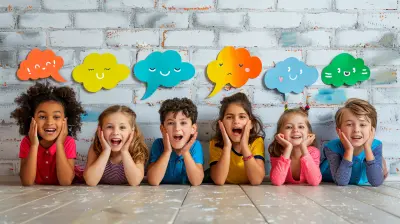
One of the most significant changes brought about by remote learning is the transformation of peer interactions. Traditionally, school was a hub for social engagement. Students fostered friendships, collaborated on projects, and participated in extracurricular activities. However, remote learning has shifted these dynamics.Isolation vs. Connection
While technology enables virtual connections, it lacks the nuances of face-to-face interactions. Many students report feelings of isolation due to limited social engagement. This isolation can lead to emotional challenges, as the informal socialization that occurs in classrooms-like casual chats before class or group study sessions-has diminished.Conversely, some students have found new ways to connect online. Virtual platforms allow for creative collaboration, and students can interact with a broader range of peers from different geographic locations. This shift has the potential to enrich cultural exchange but may also dilute the depth of local friendships.
Fostering New Forms of Engagement
Educators have begun to leverage technology to recreate social interactions. Virtual break-out rooms during online classes, for instance, encourage small group discussions, mimicking the traditional classroom environment. Teachers can facilitate online games or social events, fostering community even in digital spaces.However, the effectiveness of these strategies can vary. Not all students engage equally in online formats, and some may feel more comfortable participating in a physical classroom. Educators must remain aware of these variances, adapting their approaches to ensure all students feel included.
Academic Integrity in a Virtual World
The Challenge of Maintaining Standards
Remote learning has also raised questions about academic integrity. With the shift to online assessments, incidents of cheating have become more prevalent. The anonymity of the internet can tempt students to seek shortcuts, undermining the value of their education.Strategies for Upholding Integrity
To counteract this trend, educational institutions have begun to implement various strategies. Proctoring software, open-book exams, and project-based assessments are becoming more common. These methods not only help maintain academic standards but also encourage deeper learning.Educators should communicate clearly about expectations regarding academic honesty. Engaging students in discussions about the value of integrity can foster a culture where honesty is prioritized. When students understand the long-term implications of their actions, they may be less inclined to compromise their values.
The Role of Technology in Assessments
As technology continues to evolve, so do the methods of assessment. Digital platforms can provide real-time feedback and adaptive testing, which may enhance the learning experience. These tools allow educators to tailor assessments to individual student needs, promoting a more personalized approach to education.However, it is crucial for educators to balance technology with traditional methods. Not all assessments should be conducted online, as in-person examinations can still play a vital role in evaluating a student's understanding and capabilities.

Mental Health Considerations
The Impact of Isolation on Well-Being
The mental health implications of remote learning cannot be overlooked. Many students have faced increased anxiety and depression due to isolation and the pressures of online learning. The lack of physical interaction can exacerbate feelings of loneliness, making it essential for educators and parents to recognize these challenges.Strategies for Supporting Mental Health
Schools are beginning to prioritize mental health resources in response. Offering virtual counseling services, hosting wellness workshops, and incorporating mindfulness activities into the curriculum are effective ways to support students. Creating a culture that normalizes mental health discussions can empower students to seek help when needed.Balancing Screen Time
Another consideration is the impact of prolonged screen time on mental and physical health. Many students find it challenging to maintain focus during lengthy online sessions, leading to fatigue and burnout. It is essential to encourage breaks and promote healthy habits, such as physical activity and proper sleep.Educators can create more interactive and engaging lesson plans to combat disengagement. Incorporating multimedia elements, interactive quizzes, and group projects can help maintain student interest and foster a positive learning environment.

The Learning Environment Reimagined
Shifting Perspectives on Education
Remote learning has prompted a reevaluation of what constitutes an effective learning environment. Many students have thrived in flexible settings, where they can tailor their study space to their preferences. This shift can lead to increased motivation and engagement for some learners.The Need for Structure
However, not all students benefit from this flexibility. Some require the structure of a traditional classroom to thrive. Educators must recognize these differences and offer a variety of learning formats to accommodate diverse learning styles.Blended Learning Models
The future of education may involve a blended approach, combining in-person and remote learning. This model allows for the best of both worlds, offering flexibility while maintaining the social and interactive elements of traditional education.Implementing blended learning requires careful planning. Educators should consider how to integrate technology without sacrificing the quality of in-person instruction. Providing training for teachers on effective online teaching strategies can facilitate this transition.
The Role of Parents and Guardians
Building a Supportive Home Environment
Remote learning has necessitated greater involvement from parents and guardians. Families have had to adapt to support their children's education at home, which can be both empowering and challenging. Creating a conducive learning environment within the home is crucial for student success.Communication and Collaboration
Open communication between educators and families is essential. Regular updates on student progress, as well as resources for supporting learning at home, can help parents feel more engaged in their child's education. Collaborative efforts can foster a sense of community and shared responsibility.Addressing Equity Issues
Remote learning has also highlighted existing inequalities in education. Not all students have access to reliable internet or suitable learning environments at home. Schools must address these disparities by providing resources and support to those in need.Equity in education is not just a logistical issue; it is a moral imperative. Schools should work to create a level playing field, ensuring that every student has the opportunity to succeed, regardless of their circumstances.
The Future of Student Culture
Embracing Change and Innovation
As we look to the future, it is clear that remote learning has left a lasting impact on student culture. Embracing innovation and adapting to new educational landscapes will be vital for educators and students alike.Preparing for Uncertainty
Educational institutions must remain agile in the face of change. Flexibility in teaching methods, assessment strategies, and communication will be essential as the landscape continues to evolve. Preparing students for an uncertain future involves fostering resilience and adaptability.Nurturing a Positive Culture
the goal should be to cultivate a positive and inclusive student culture. This involves promoting collaboration, empathy, and understanding among students. By prioritizing these values, educators can create an environment where all learners feel valued and supported.Conclusion
Remote learning has reshaped student culture in profound ways. While it presents challenges, it also offers opportunities for growth and innovation. By understanding the implications of remote learning, educators, students, and families can work together to create a more inclusive and supportive educational landscape. As we move forward, it is crucial to prioritize the well-being of students and foster a culture that embraces the complexities of modern education.
all images in this post were generated using AI tools
Category:
Student LifeAuthor:

Bethany Hudson