How AI Will Reshape Student Life by 2027
15 April 2026
Remember the sheer, unadulterated panic of realizing a 10-page paper is due tomorrow? Or the unique frustration of staring at a calculus problem that might as well be ancient hieroglyphics? What if I told you that by 2027, these classic student struggles are going to look as quaint as using a card catalog in the library? Buckle up, because artificial intelligence isn't just coming to campus—it's about to become your roommate, your tutor, your study buddy, and maybe even your academic conscience.
Let’s pull back the curtain on the not-so-distant future. We're not talking about a sci-fi movie with robot professors (though, let's be honest, some of us have had instructors who might already be androids). We're talking about a quiet, pervasive, and brilliantly helpful integration of AI into the very fabric of being a student. It’s less "rise of the machines" and more "rise of the personal assistant who actually gets you."
The End of the "One-Size-Fits-All" Lecture
Picture this: It’s 2027. You log into your "Introduction to World Literature" module, but instead of a static syllabus, your AI learning platform has already analyzed your previous work. It knows you devoured the Gothic horror unit but struggled with Romantic poetry. So, your learning path automatically adjusts.Your lectures are no longer monologues. They’re interactive, adaptive experiences. Struggling with a concept about meter in a poem? Your AI sidekick serves up a three-minute animated video explaining it, then quizzes you with a few practice lines. Nail it? It moves you forward. Still fuzzy? It rephrases the explanation, maybe using an analogy about rhythm in your favorite music. This is the heart of adaptive learning, and by 2027, it will be the norm, not the novelty. The classroom flips from a place where information is delivered to a place where understanding is curated—personally, for you.
Your 24/7 Hyper-Patient Tutor: No More "I'm Too Afraid to Ask"
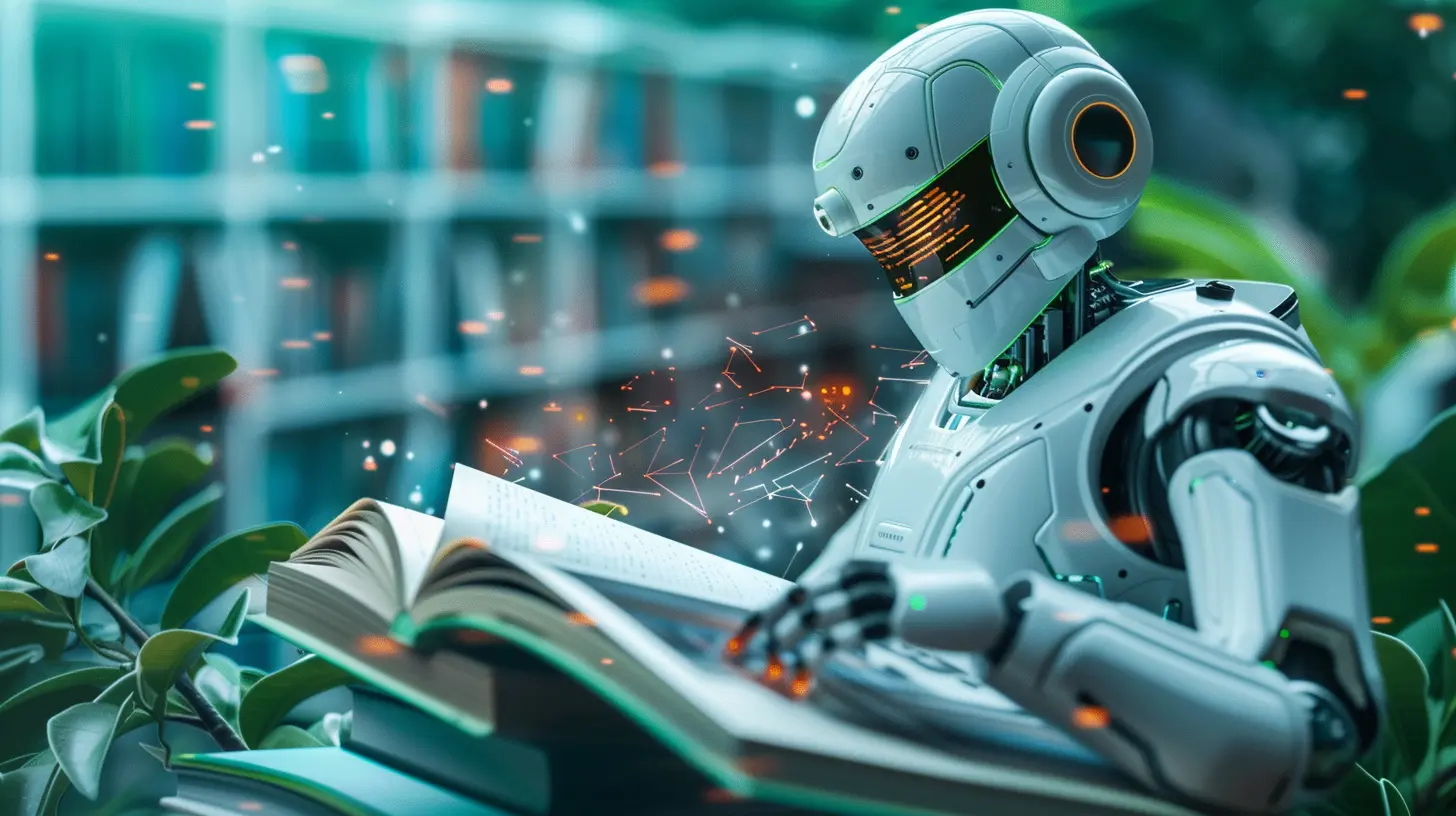
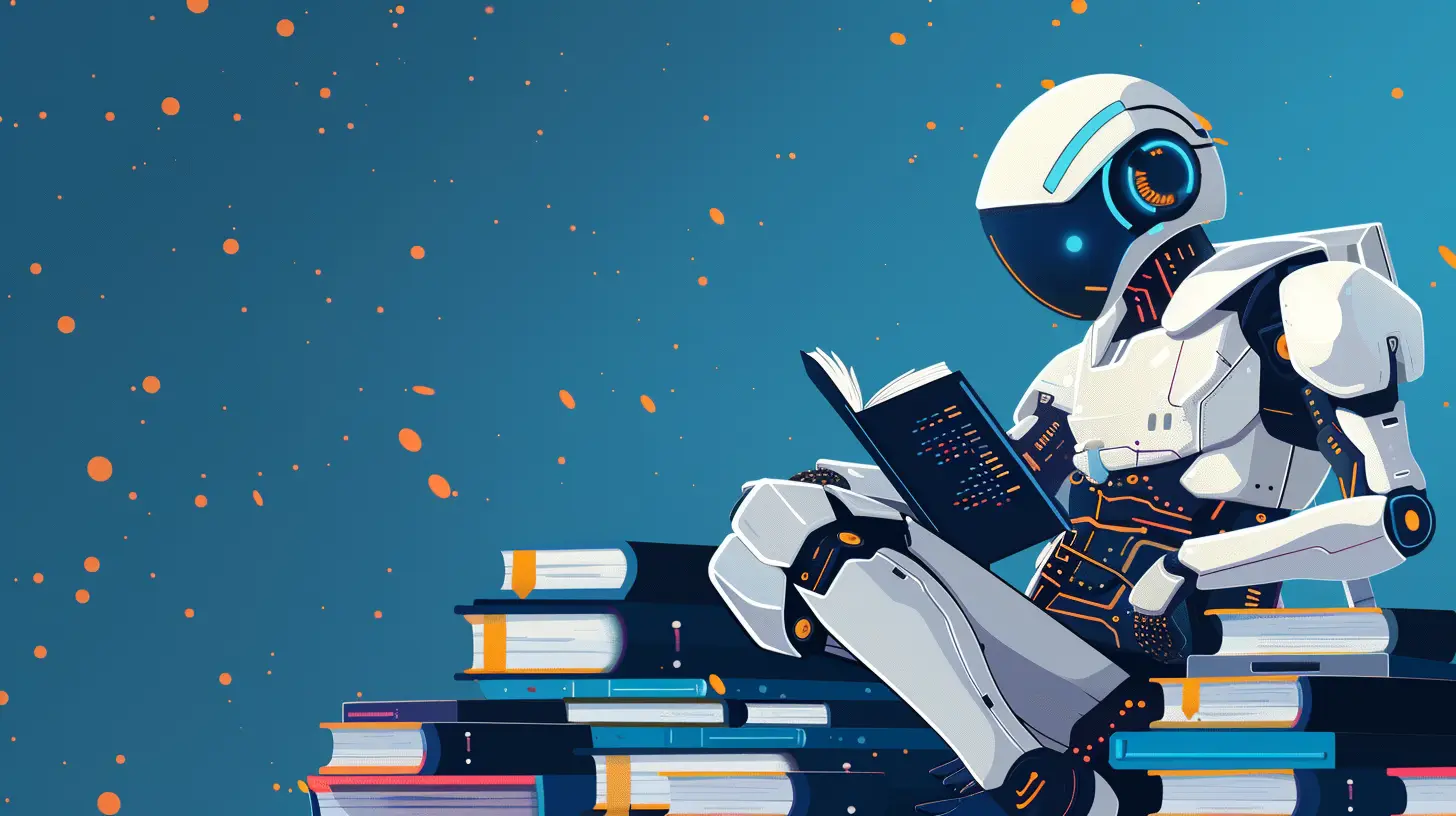
Raise your hand if you’ve ever sat in a lecture hall of 300 people, completely lost, but were too embarrassed to raise your actual hand. We’ve all been there. By 2027, that feeling could be extinct.Enter your AI Tutor. This isn’t a clunky chatbot from the 2010s. This is a sophisticated digital entity trained on your course material, your textbook, and a billion data points on how humans learn. Stuck on a chemistry problem at 2 AM? Ask your AI tutor. It won’t just give you the answer (though it could). It will walk you through the logic, Socratic-method style. "What do you think the first step is? Remember the principle from Chapter 3?" It has infinite patience. It never judges. It exists solely to bridge the gap between your confusion and your "aha!" moment. Think of it as the ultimate safety net for your curiosity.
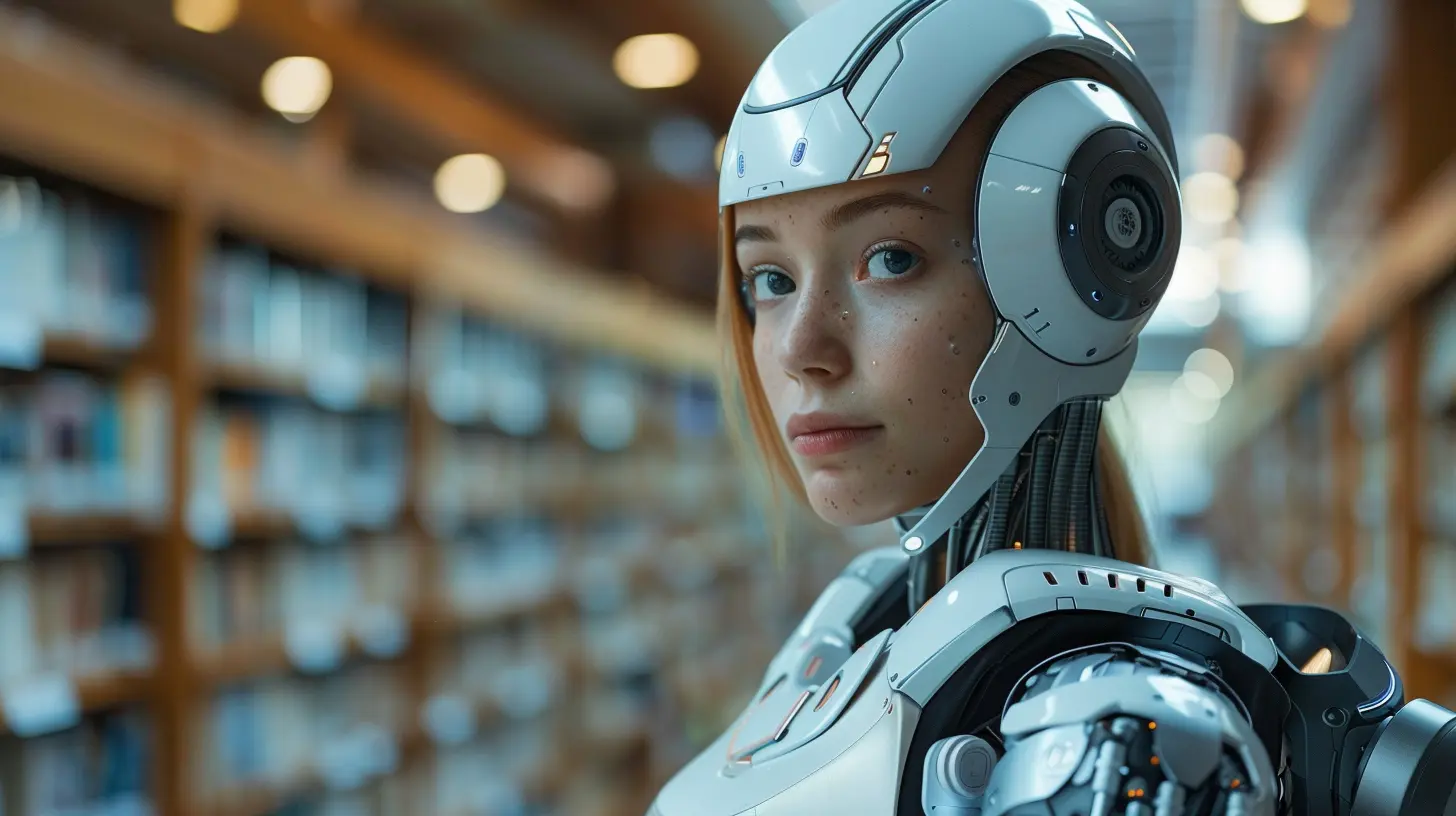
The Death of the All-Nighter? AI and the Art of Time Management
Students are professional jugglers: classes, part-time jobs, social life, laundry that’s probably evolving into a new life form. Time management is the holy grail. By 2027, your AI Personal Academic Assistant will be the grail-keeper.This tool will sync with your digital calendars, syllabus deadlines, and even your personal rhythms. It will learn that you write best in the morning but can crush physics problems late at night. It will then proactively build your weekly schedule. "Hey," it might ping you, "you have a history essay due in 10 days. Based on your writing speed, I’ve blocked three 90-minute sessions this week. Your first source list is ready." It might even notice you’ve been scrolling social media for 45 minutes when you had a study block scheduled and give you a gentle, witty nudge. It’s not a nag; it’s a coach. It turns the overwhelming mountain of deadlines into a manageable series of hills.
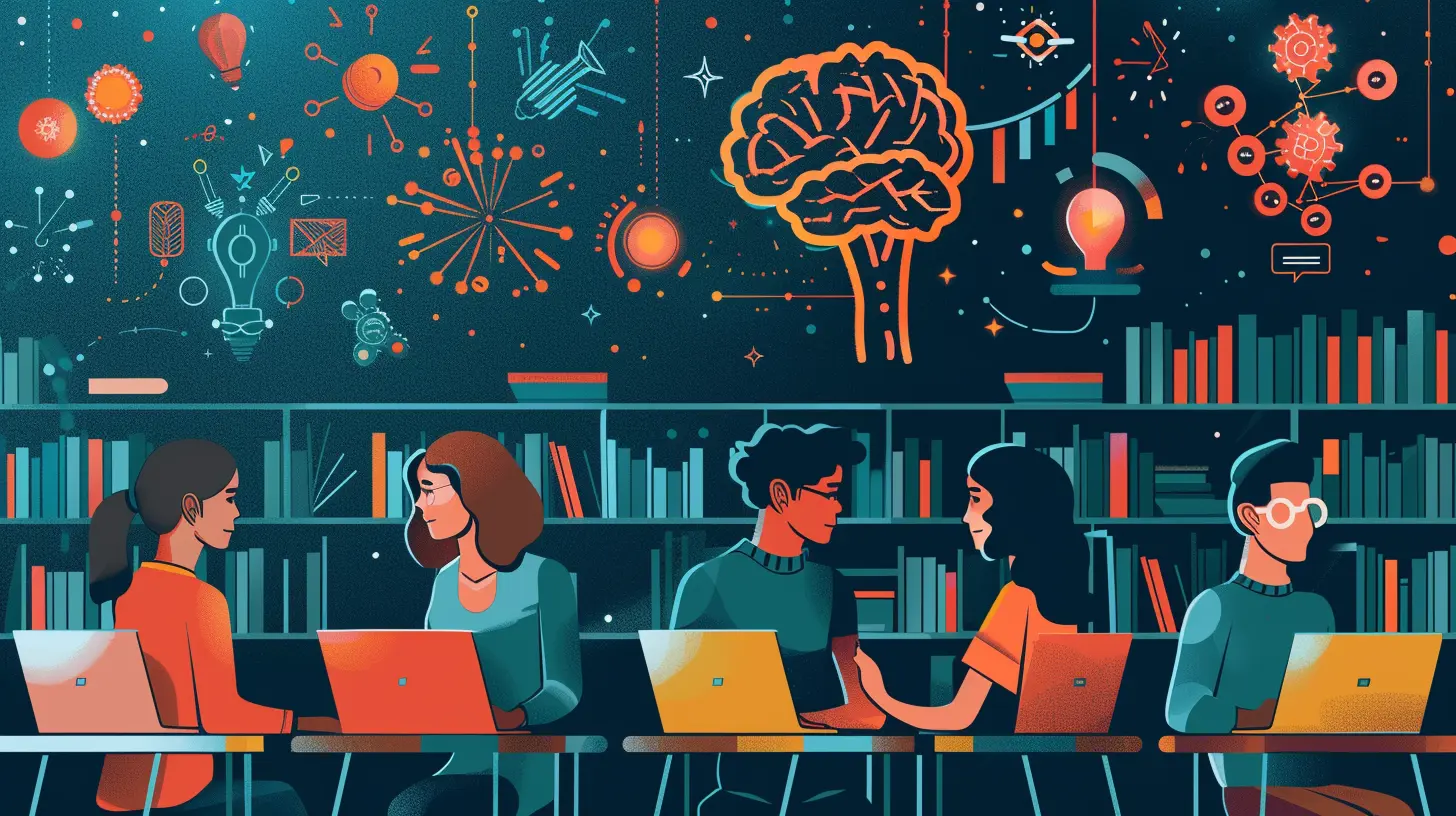
Research Revolution: From Drudgery to Discovery
The research paper. The bibliography. The endless, soul-crushing hunt for that one perfect source you swear you saw once. AI is about to turn this process on its head.Imagine an AI Research Co-pilot. You give it your thesis statement: "The influence of jazz on the Beat Generation's literary style." Instead of you typing that into a library database, the AI scours academic journals, books, primary sources, and even archived interviews across the globe in seconds. But it doesn’t just dump 500 PDFs on you. It synthesizes. It creates an annotated bibliography, summarizing each source's main argument and highlighting its relevance to your specific thesis. It can even flag opposing viewpoints you should address. The grunt work vanishes. What’s left? The actual fun part: analysis, critical thinking, and crafting your argument. The AI handles the foraging; you handle the feast.
The Authenticity Arms Race: AI, Plagiarism, and the New Originality
Okay, let's address the elephant in the lecture hall. If AI can write essays, won’t everyone just cheat? This is where things get fascinating. By 2027, we’ll be in the midst of an authenticity arms race. The same AI that can generate text will power even more sophisticated AI Detectors and Authenticity Platforms.But it goes beyond catching copy-pasters. The focus will shift from product to process. Submission platforms might require a "process log"—a digital footprint showing your brainstorming, drafts, and revisions, all verified by your AI assistant. Assessments will become more creative, more personal, and more focused on applied knowledge. Instead of "write 1500 words on the causes of the French Revolution," a prompt might be: "Using the AI simulation tool, take on the role of Robespierre. Based on the primary sources provided, craft three speeches for different audiences and justify your rhetorical choices." The game changes from "what you know" to "how you think and create."
Mental Health and Community: AI as a First Line of Support
University can be a pressure cooker. By 2027, AI could be a crucial, always-available first responder for student well-being. AI Wellness Companions—ethically designed with strict privacy controls—could offer cognitive behavioral therapy (CBT) exercises, mindfulness prompts, or just be a non-judgmental space to vent.More importantly, these systems could identify patterns. If a student's activity logs show social withdrawal, missed deadlines, and searches for stress-related topics, the AI could send a tailored wellness resource or, following strict protocols, alert a human counselor for outreach. It could also help build community, intelligently connecting students with shared interests (like a club for indie filmmakers or ultimate frisbee) they might have missed in the chaos of campus life. It becomes a tool not just for academic health, but for human health.
The Campus That Knows You: Smart Infrastructure
Your student life extends beyond the screen. By 2027, the physical campus will be imbued with ambient intelligence. Walk into the library, and an app on your phone (powered by AI) guides you directly to an available quiet desk in your preferred lighting zone, or to where your study group is gathered.The cafeteria menu isn't just a list; it's personalized. "Hi Sam, the tofu stir-fry today is low on the allergens you listed and aligns with your nutritional goals. It's at Station 3." Campus events are recommended to you with scary accuracy. It’s a seamless layer of convenience that removes daily friction, letting you focus on what matters.
The Human Element: What Won't Change?
With all this whiz-bang tech, you might wonder: will we even need human teachers? Absolutely. In fact, their role will become more vital and more human. Freed from grading multiple-choice tests and delivering generic lectures, professors will become mentors, discussion facilitators, and critical thinking guides. The AI handles the information transmission; the human professor ignites the passion, debates the nuances, and provides the inspiration that no algorithm can replicate. The relationship shifts from "sage on the stage" to "guide on the side," but a guide who is an expert, a connector, and a catalyst.
Conclusion: Not Replacement, but Amplification
So, by 2027, student life won’t be a cold, robotic experience. It will be a powerfully amplified one. The tedious, time-consuming, and one-size-fits-all parts of education will recede. What will come to the forefront? Creativity, critical thinking, deep discussion, personalized support, and human connection.AI will be the ultimate tool, taking the weight of administrative learning off our shoulders. It will be like having a super-powered, incredibly organized, and endlessly knowledgeable friend in your pocket. The student of 2027 won't be competing with AI; they'll be collaborating with it, using it to unlock their own potential in ways we're just beginning to imagine. The all-nighter might be dead, but the thrill of learning? That’s just getting started. And honestly, isn't that what we've always wanted school to be about?
all images in this post were generated using AI tools
Category:
Student LifeAuthor:

Bethany Hudson
Discussion
rate this article
2 comments
Jolene Blevins
It's fascinating to think about how AI could transform student experiences in just a few years. I'm curious about the balance between technology and personal connection in education as this unfolds...
May 3, 2026 at 12:46 PM
Bethany Hudson
Absolutely, the challenge will be finding that sweet spot where technology enhances learning without replacing the vital human touch. It's an exciting journey ahead.
Sophie Allen
By 2027, AI will be our students' best friend—helping with homework and possibly reminding them to feed their goldfish. Smart fish, smart kids!
April 16, 2026 at 2:53 AM
Bethany Hudson
It's exciting to think about the role AI will play in education. The idea of AI helping with homework and everyday tasks definitely adds a new dimension to learning. Let's see how it unfolds!